Umang Sisodia • • 3 min read • 7 views
Houthis Capture Perim Island, Threatening Red Sea Shipping Lifeline
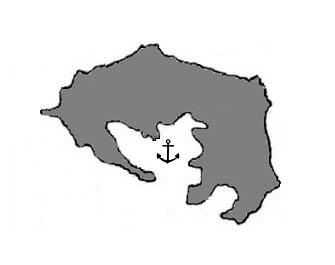
The Seizure of Perim Island
On [date], Houthi forces announced the capture of Perim Island, a tiny speck of land perched at the mouth of the Bab al‑Mandab Strait. Though the island itself is barren, its location makes it a strategic chokepoint that controls one of the world’s busiest maritime corridors – the Red Sea route linking Europe, the Middle East, and Asia.
Why Perim Matters
- Geographic Leverage: Perim sits between the Red Sea and the Gulf of Aden, giving any occupier the ability to monitor, and potentially disrupt, the flow of oil tankers, container ships, and humanitarian vessels.
- Military Outpost: The island hosts a small Yemeni naval facility and a radar installation that can be repurposed for anti‑ship missiles or drone launch sites.
- Economic Stakes: Roughly $10‑12 billion of daily global trade passes through the Bab al‑Mandab, making any instability a direct threat to shipping insurers, freight rates, and supply‑chain reliability.
Immediate Impact on Global Trade
Since the news broke, several shipping lines have rerouted vessels around the Cape of Good Hope, adding 10‑12 days to transit times and inflating freight costs. Insurance premiums for Red Sea voyages have spiked, with P&I clubs issuing war‑risk clauses that could cost ship owners an extra $150,000 per voyage.
Key consequences:
- Higher Consumer Prices – Longer routes translate to higher fuel consumption, which ultimately hikes the price of goods ranging from electronics to food.
- Supply‑Chain Bottlenecks – Ports in Saudi Arabia, Egypt, and Djibouti are experiencing backlogs as ships wait for clearance or decide to delay entry.
- Humanitarian Concerns – The Red Sea is a lifeline for aid shipments to war‑torn Yemen; any disruption could exacerbate the already dire humanitarian situation.
Regional and International Reactions
- Saudi Arabia condemned the move, labeling it a “dangerous escalation” and urging the United Nations to deploy a naval task force.
- United Arab Emirates announced a rapid‑response naval drill near the strait, signaling a readiness to protect commercial traffic.
- United States reaffirmed its commitment to keep the waterway open, citing the Combined Maritime Forces (CMF) as the primary mechanism for deterrence.
- Iran expressed “solidarity” with the Houthis, further complicating diplomatic calculations in an already volatile region.
What Lies Ahead?
Analysts warn that the seizure could be a prelude to a broader campaign aimed at blockading the Red Sea. Possible scenarios include:
- Escalated missile strikes on commercial vessels, forcing a near‑total shutdown of the strait.
- Negotiated de‑escalation, where international mediators press the Houthis to relinquish the island in exchange for humanitarian concessions.
- Increased naval patrols by the CMF, NATO, or a coalition of Gulf states, which could lead to inadvertent clashes.
Takeaway
Perim Island’s capture underscores how a microscopic landmass can wield outsized influence over global trade. The world’s eyes are now on the Bab al‑Mandab, where the balance between commercial necessity and geopolitical ambition will shape shipping routes for months, if not years, to come.
Stay tuned for live updates and expert analysis as the situation unfolds.
Original Reporting & Source: India Today Top Stories

Discussion (0)
Sign in to join the discussion.
No comments yet. Be the first to start the conversation!