Umang Sisodia • • 3 min read • 6 views
Bajaj Pulsar 125 & 150 Review: Reviving the Classic Indian Roadster
Introduction
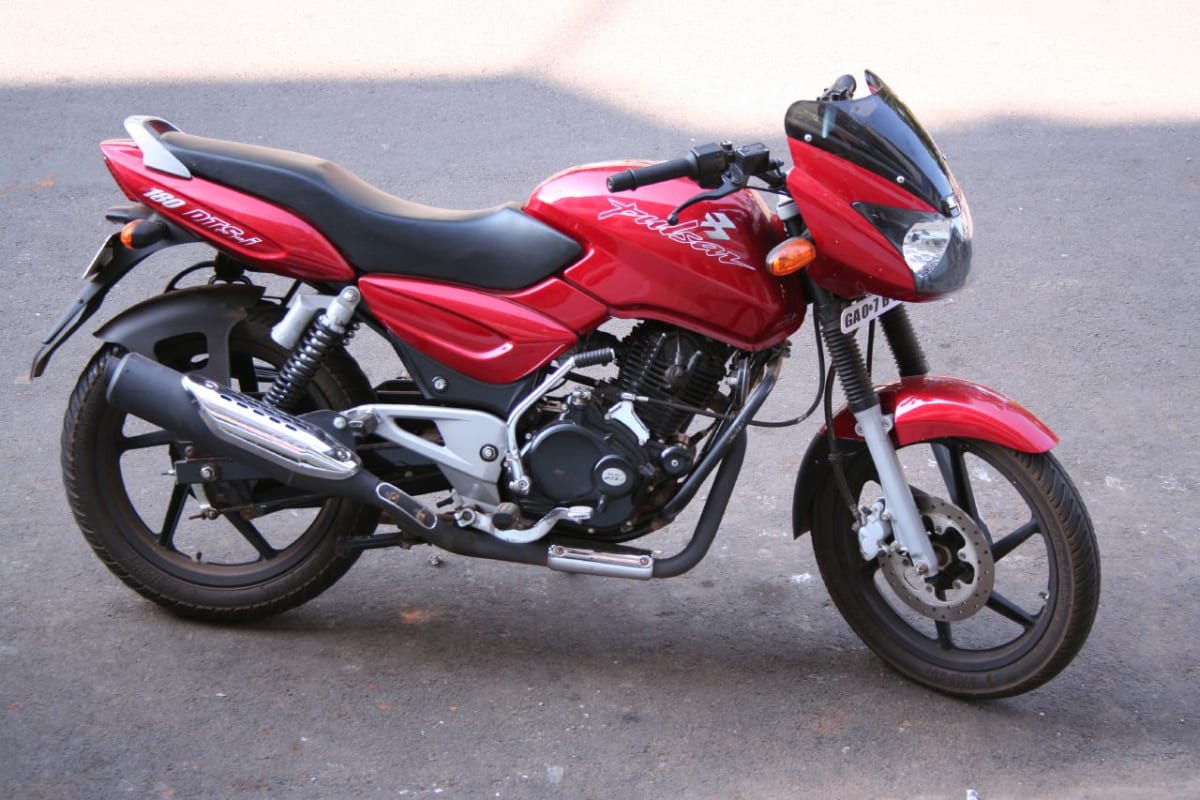
The Bajaj Pulsar line has been a staple of Indian two‑wheelers for over two decades, symbolising a blend of performance, affordability, and style. In 2024, Bajaj launched refreshed versions of the Pulsar 125 and Pulsar 150, positioning them as the modern heirs to the beloved classics that once dominated city streets and highways alike. This review chronicles the first ride, evaluates the upgrades, and asks whether these machines truly bring back the spirit of the original Pulsars.
Design & Build Quality
- Retro‑modern aesthetics – The new models retain the iconic angular fuel tank and sharp headlamp, but incorporate LED clusters, a slimmer tail section, and matte‑finish graphics that echo the 2000‑era look while feeling contemporary.
- Frame and ergonomics – Both bikes use a high‑tensile steel frame with improved rigidity. The seat is slightly longer, offering better comfort for longer commutes. Rider posture remains upright, ideal for traffic‑heavy Indian cities.
- Weight – At 136 kg (125) and 141 kg (150), the bikes feel lighter than many competitors, aiding maneuverability in congested lanes.
Powertrain & Performance
| Spec | Pulsar 125 | Pulsar 150 |
|---|---|---|
| Engine | 124.4 cc, air‑cooled, single‑cylinder | 149.5 cc, air‑cooled, single‑cylinder |
| Power | 12.5 bhp @ 8,500 rpm | 14.2 bhp @ 8,500 rpm |
| Torque | 10.8 Nm @ 6,500 rpm | 13.4 Nm @ 7,000 rpm |
| Transmission | 5‑speed | 5‑speed |
Both engines feature a fuel‑injection system (replacing the older carburetor) that delivers smoother throttle response and better fuel economy—up to 55 km/l for the 125 and 52 km/l for the 150 under mixed‑city conditions.
First Ride Impressions
- Acceleration – The 125 feels peppy enough to zip from 0‑40 km/h in under 4 seconds, making lane‑splitting effortless. The 150, with its higher torque, offers a more confident pull on inclines and during overtakes.
- Braking – Dual‑channel ABS is now standard on both, providing stable stops on wet roads—a noticeable safety upgrade over earlier models.
- Ride comfort – The telescopic front fork and mono‑shock rear absorber absorb potholes well. Even on the uneven streets of Delhi’s Old City, the bikes remain composed.
Feature Set
- Digital instrument cluster with fuel gauge, trip meter, and gear indicator.
- LED headlamp and taillight for better night visibility.
- Bluetooth connectivity (via Bajaj’s companion app) that offers ride statistics, service reminders, and location tracking.
- Enhanced safety – Apart from ABS, a side‑stand engine cut‑off prevents accidental starts.
Value Proposition
Pricing starts at ₹78,000 for the Pulsar 125 and ₹92,000 for the Pulsar 150, placing them squarely in the mid‑range commuter segment. When compared to rivals like the TVS Apache RTR 160 or the Honda Hornet 160R, the Pulsars offer a more classic look, superior fuel‑injection efficiency, and a brand heritage that resonates with Indian riders.
Verdict: Bringing Back the Classics?
The new Pulsar 125 and 150 succeed in marrying nostalgia with contemporary technology. They retain the raw, throaty character that made the original Pulsars iconic, while delivering modern conveniences such as ABS, fuel‑injection, and connectivity. For riders seeking an affordable, reliable commuter that also feels like a nod to motorcycling history, these bikes are a compelling choice.
Whether you’re a daily commuter, a weekend explorer, or a classic‑bike enthusiast, the revamped Pulsars prove that the past can indeed ride into the future.
Original Reporting & Source: India Today Top Stories

Discussion (0)
Sign in to join the discussion.
No comments yet. Be the first to start the conversation!