Umang Sisodia • • 3 min read • 6 views
Iran’s President Labels U.S. ‘Unreliable’ in Call to Restart Talks – Implications for Tehran‑Washington Relations
The Provocative Statement
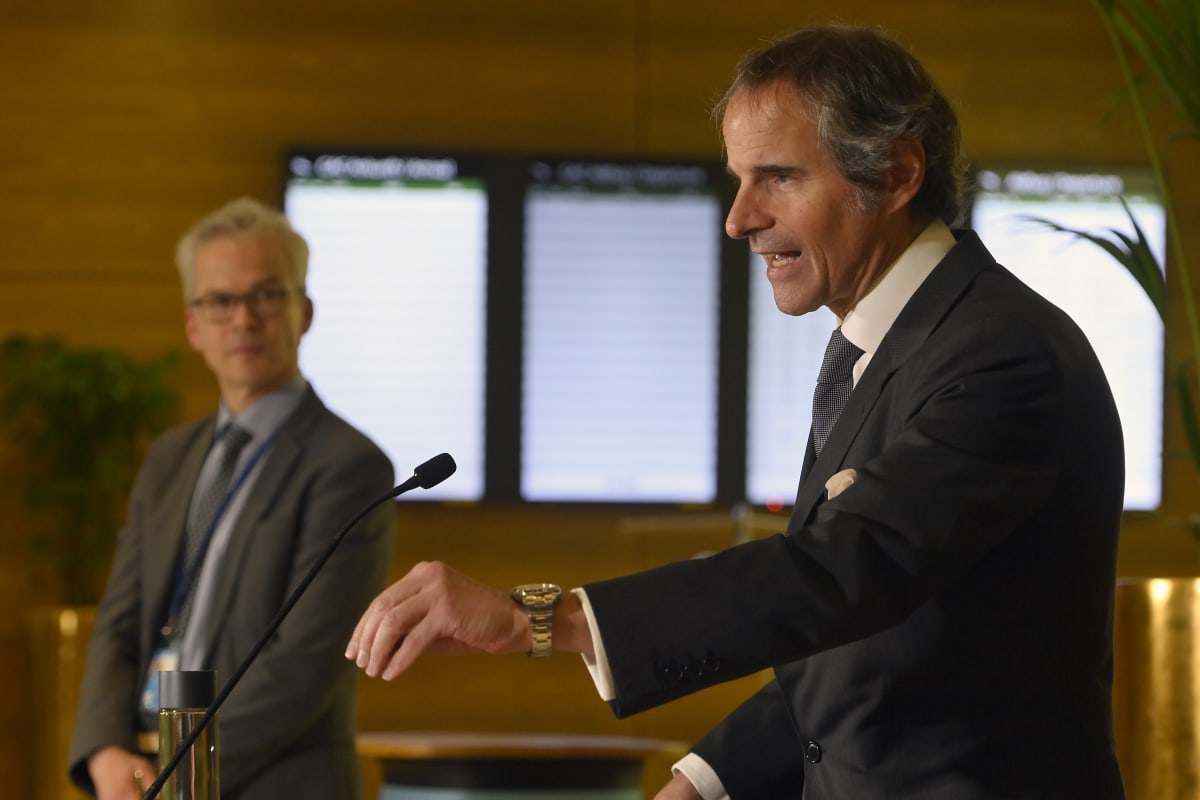
On a televised press briefing, Iran’s President Ebrahim Raisi lashed out at the United States, declaring, “How can we start negotiations again when the Americans have proved themselves unreliable negotiators?” The remark, echoing longstanding grievances, came amid renewed diplomatic overtures from Washington to revive the 2015 nuclear agreement.
Background: A History of Broken Promises
- 2015 Joint Comprehensive Plan of Action (JCPOA) – The landmark deal that lifted sanctions in exchange for nuclear restrictions. Iran complied, but the U.S. withdrew in 2018 under President Trump, reinstating sanctions.
- Post‑withdrawal fallout – Iran stepped back from its commitments, and a series of “maximum pressure” sanctions crippled its economy.
- Biden administration’s overture – In early 2024, senior U.S. officials signaled willingness to re‑engage, proposing a phased relief of sanctions.
Raisi’s outburst reflects a broader skepticism within Iran’s political elite that the United States may repeat past behavior.
Why the Timing Matters
- Domestic pressure – Iran faces soaring inflation and public unrest. A strong stance against the U.S. can rally nationalist sentiment ahead of upcoming parliamentary elections.
- Regional calculations – Tehran is courting Russia and China for economic lifelines. By painting the U.S. as unreliable, Raisi strengthens these alternative partnerships.
- U.S. diplomatic calculus – Washington is balancing Iran’s nuclear ambitions against its own strategic interests in the Middle East, especially concerning Israel and Saudi Arabia.
Potential Scenarios
| Scenario | Likely Outcome |
|---|---|
| Full‑scale talks resume | Requires a credible U.S. guarantee, possibly through a multilateral framework involving the EU and the IAEA. |
| Limited technical talks | Could focus on specific nuclear safeguards while broader political issues remain stalled. |
| Stalemate | Continued sanctions, heightened regional tensions, and possible proxy confrontations. |
Expert Takeaways
- Negotiation credibility is a two‑way street. While Iran accuses the U.S. of unreliability, American officials have repeatedly emphasized “trust‑but‑verify” as a cornerstone of any renewed deal.
- Economic incentives matter. Iran’s willingness to negotiate will hinge on tangible relief—particularly in oil exports and banking access.
- Domestic narratives shape foreign policy. Raisi’s rhetoric serves both an internal political purpose and a diplomatic one: signaling to the world that Tehran will not be coerced.
Looking Ahead
The next few months will be critical. If Washington can deliver concrete, time‑bound concessions, it may overcome Raisi’s accusations and pave the way for a pragmatic, albeit fragile, agreement. Conversely, a repeat of past disengagement could deepen mistrust, pushing Iran further into the orbit of rival powers.
The stakes are high, not just for Tehran and Washington, but for global non‑proliferation efforts and regional stability.
Key Points to Watch
- Statements from the U.S. State Department on sanction relief timelines.
- Iran’s parliamentary debates on foreign policy direction.
- Reactions from European allies who remain invested in the JCPOA framework.
Stay tuned for updates as diplomatic channels shift and new developments emerge.
Original Reporting & Source: India Today Top Stories

Discussion (0)
Sign in to join the discussion.
No comments yet. Be the first to start the conversation!