Umang Sisodia • • 3 min read • 10 views
India’s MEA Rules Out Immediate BRICS Currency as Dollar Dependence Drops
Background
The idea of a common BRICS (Brazil, Russia, India, China, South Africa) currency has floated in diplomatic corridors for years, often touted as a tool to reduce reliance on the U.S. dollar. In the run‑up to the latest BRICS summit, speculation intensified about whether India would champion a joint monetary instrument. On [date], the Ministry of External Affairs (MEA) publicly clarified its stance, stating there is no concrete plan to launch a BRICS currency in the near term.
Why the Statement Matters
- Strategic signaling – By distancing itself from a rushed currency launch, India signals prudence to both domestic investors and international partners.
- Dollar‑diversification agenda – The MEA’s comment aligns with broader government efforts to curb the economy’s dollar exposure, such as promoting rupee‑denominated trade and encouraging foreign exchange hedging tools.
- BRICS cohesion – While the bloc continues to explore cooperation in finance, technology, and security, a shared currency remains a contentious and technically complex undertaking.
The MEA’s Core Message
“There is no plan to introduce a BRICS currency at this stage. Our focus remains on strengthening existing mechanisms that reduce dollar dependence while respecting each member’s sovereign monetary policy.”
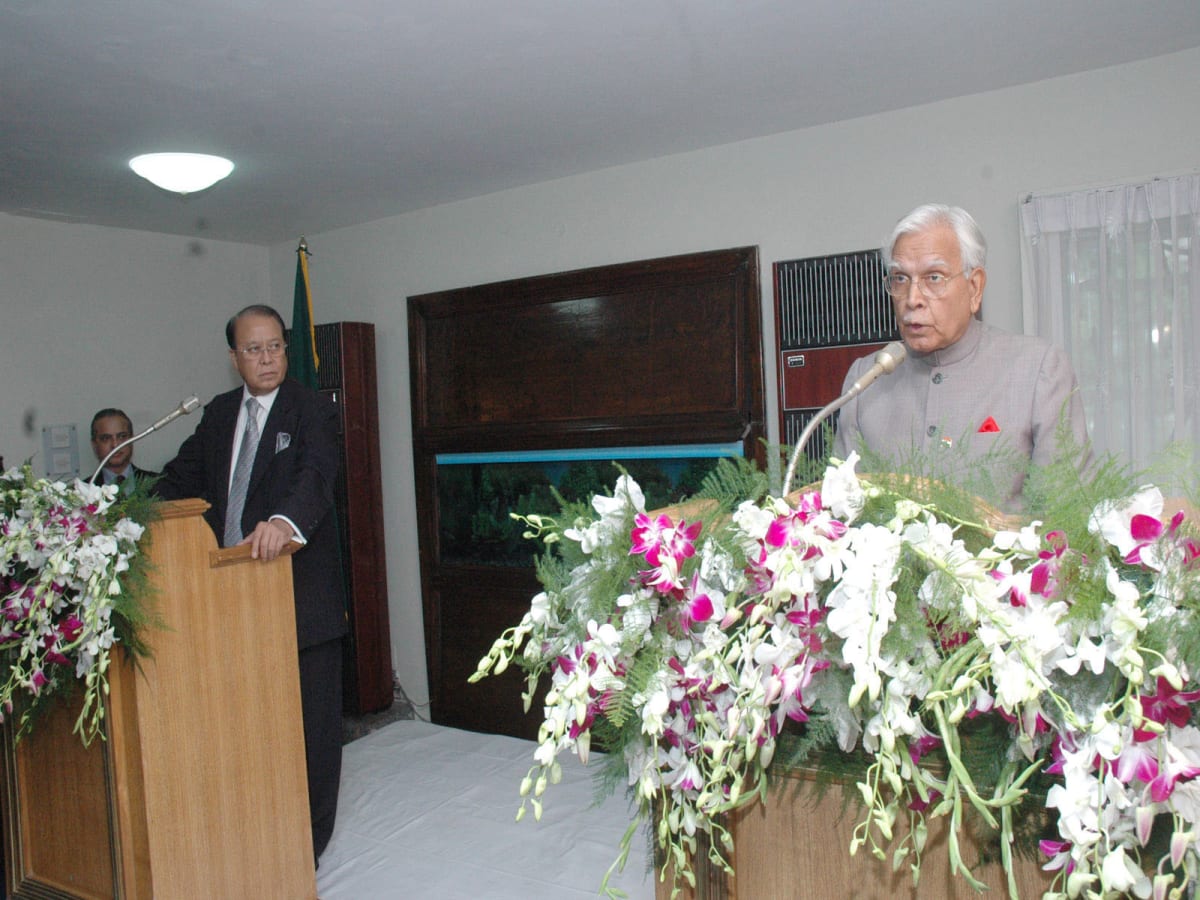
The statement was made during a press briefing that coincided with the Indian delegation’s participation in the BRICS summit. Senior diplomat S. Jaishankar emphasized that India prefers incremental reforms—such as expanding the BRICS New Development Bank’s capital base—over a radical overhaul of global payment systems.
Economic Context
- Rupee volatility – Recent fluctuations have prompted the Reserve Bank of India to explore additional hedging instruments.
- Trade‑in‑rupees initiatives – India has already signed bilateral agreements with Russia and Iran to settle trade in local currencies.
- Global dollar stress – Geopolitical tensions and tightening U.S. monetary policy have revived debates on a multi‑currency world order.
Potential Pathways Forward
- Bilateral currency swaps – Expanding swap lines with BRICS partners could provide liquidity without a unified currency.
- Digital payment corridors – Leveraging blockchain‑based platforms for cross‑border settlements may sidestep traditional dollar routes.
- Strengthening the BRICS Bank – Increased capital and broader lending mandates can fund infrastructure projects, reducing the need for a new medium of exchange.
Takeaways for Stakeholders
- Policymakers should continue to nurture rupee‑centric trade mechanisms while monitoring the geopolitical implications of a BRICS currency.
- Businesses can benefit from the growing network of currency‑swap agreements, which lower transaction costs and hedge against dollar swings.
- Investors ought to watch the BRICS New Development Bank for funding signals that may affect sectoral growth in member economies.
Looking Ahead
The MEA’s clarification does not close the door on future monetary collaboration; rather, it underscores a pragmatic, step‑by‑step approach. As the global financial architecture evolves, India appears poised to balance its sovereign interests with the collective aspirations of the BRICS bloc.
Stay tuned for post‑summit analyses and expert commentary on how India’s nuanced stance could reshape the future of multilateral finance.
Original Reporting & Source: India Today Top Stories

Discussion (0)
Sign in to join the discussion.
No comments yet. Be the first to start the conversation!