Umang Sisodia • • 3 min read • 9 views
Manoj Jarange Calls for Indefinite Fast and Citywide March at Mumbai’s Azad Maidan
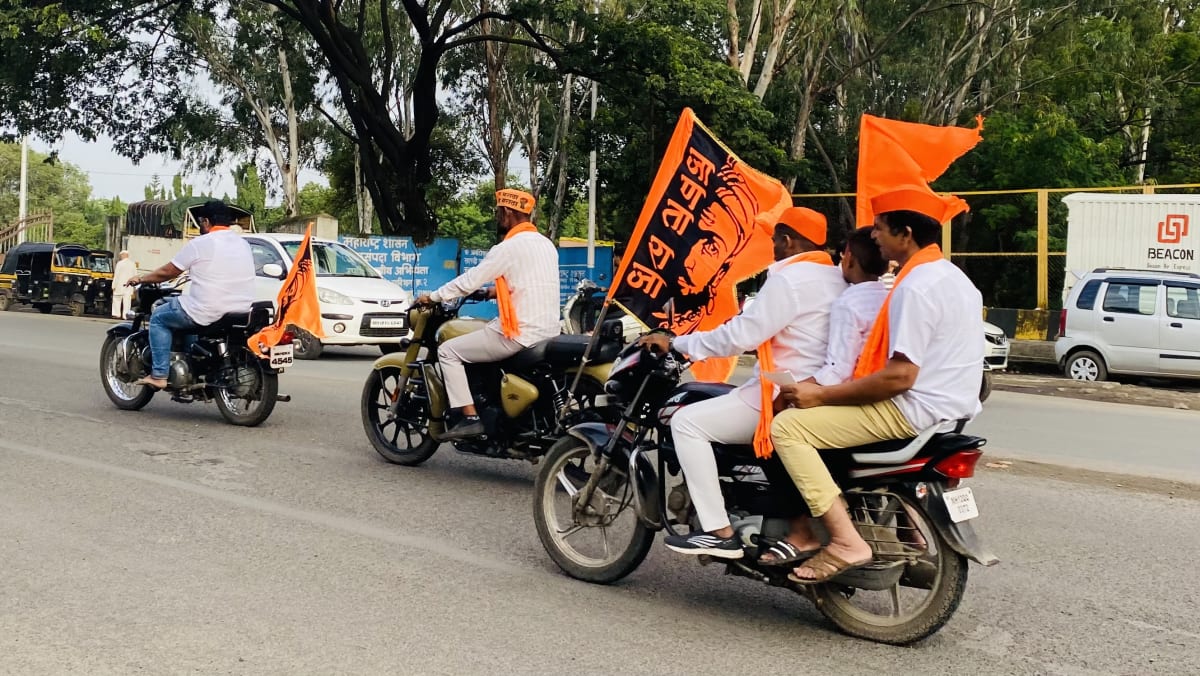
The Spark at Azad Maidan
On a crisp morning in Mumbai, veteran activist Manoj Jarange stood on the historic grounds of Azad Maidan and announced a two‑pronged protest: an indefinite fast and a citywide march. The declaration, made during a gathering of labor unions, student groups, and civil society members, has instantly become the focal point of the city’s political discourse.
Why Azad Maidan?
Azad Maidan, often called the "lungs of Mumbai," has been the epicentre of political rallies, cricket matches, and public demonstrations since the colonial era. Its open expanse provides a symbolic canvas for dissent, making it a natural choice for Jarange’s latest move.
The Core Demands
- Protection of Informal Workers: Jarange highlighted the precarious situation of daily‑wage earners, especially after recent rent hikes and the slowdown in construction projects.
- Transparency in Urban Development: Allegations of irregular land allocations and opaque tender processes have fueled public anger.
- Reinstatement of Stalled Welfare Schemes: The activist demanded the revival of the Maharashtra State Employment Guarantee Scheme and the Housing for All initiative.
The Indefinite Fast: A Strategic Tool
An indefinite fast is a classic Gandhian tactic, designed to draw moral pressure on authorities while showcasing the protester’s commitment. Jarange’s decision signals a readiness to endure personal hardship, thereby compelling the municipal corporation and the state government to engage in dialogue.
The Planned March: Logistics and Expected Turnout
The march, slated for Saturday, 14 October, will start from Azad Maidan at 9 am and wind through key commercial arteries—Marine Drive, CST, and Dadar—before culminating at the Maharashtra Legislative Assembly. Organisers estimate a participation of 30,000–50,000 people, citing registrations from trade unions, student bodies, and NGOs.
Political Reactions
- BJP’s Maharashtra Chief dismissed the fast as “political theatrics,” urging the administration to maintain law and order.
- Shiv Sena’s leadership expressed conditional support, contingent on the protest staying peaceful.
- Opposition parties have pledged solidarity, seeing an opportunity to critique the ruling coalition’s handling of labor issues.
Public Sentiment
Social media buzz reflects a mixed mood. While many workers applaud Jarange’s boldness, some commuters worry about traffic snarls and potential disruptions to daily life. The city’s transport authority has already warned of possible route diversions.
What Lies Ahead?
The coming days will test the resolve of both the protestors and the government. If the fast continues without compromise, it could force a negotiated settlement or, conversely, trigger a crackdown that may erode public sympathy. The march’s success will largely depend on coordination, police facilitation, and the ability to keep the demonstration non‑violent.
Takeaways
- Azad Maidan remains a potent symbol for civic mobilisation in Mumbai.
- Manoj Jarange’s dual strategy—fast and march—aims to combine moral authority with mass pressure.
- Stakeholder alignment (unions, NGOs, opposition) will be critical to sustain momentum.
- Government response will set a precedent for handling future labour‑related protests across India.
The unfolding scenario offers a compelling case study in contemporary Indian protest dynamics, where historic spaces, strategic fasting, and mass mobilisations intersect.
For continuous updates, stay tuned to India Today’s live coverage and follow our on‑ground reporters.
Original Reporting & Source: India Today Top Stories

Discussion (0)
Sign in to join the discussion.
No comments yet. Be the first to start the conversation!