Umang Sisodia • • 3 min read • 10 views

Modi Warns Against Weaponising Tech & Critical Minerals at BRICS Summit
Modi Warns Against Weaponising Tech & Critical Minerals at BRICS Summit

A Bold Message from the BRICS Stage

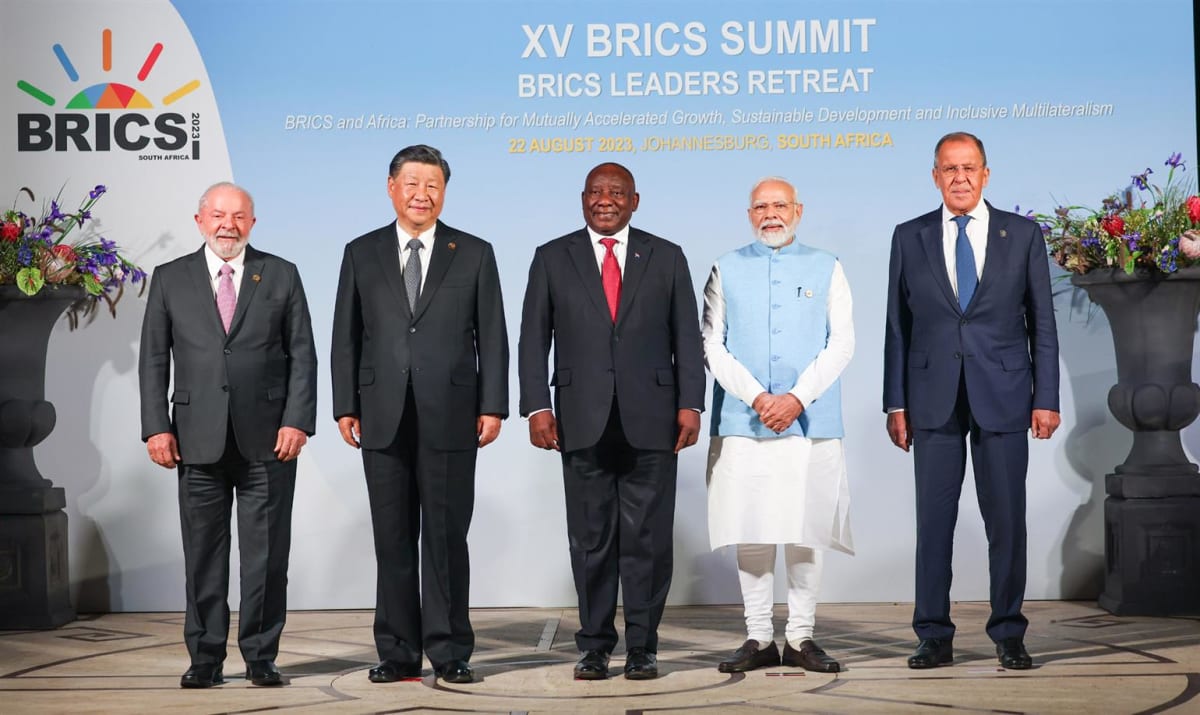
During the recent BRICS summit in Johannesburg, Indian Prime Minister Narendra Modi delivered a stark warning: turning advanced technology and critical minerals into tools of conflict will derail the collective progress the bloc strives for. While the gathering celebrated South‑South cooperation, Modi’s remarks highlighted a growing tension between collaboration and competition in the new era of geopolitics.

Why Technology and Minerals Matter

  • Strategic Assets: Rare earths, lithium, cobalt and other critical minerals are the backbone of renewable energy, electric vehicles, and next‑generation electronics.
  • Dual‑Use Dilemma: The same materials that power clean tech can also be repurposed for advanced weaponry, from hypersonic missiles to AI‑driven combat systems.
  • Supply‑Chain Vulnerabilities: Over‑reliance on a handful of producers—often outside the BRICS circle—creates leverage that can be weaponised through export controls or price manipulation.

Modi’s Core Arguments

  1. Shared Prosperity Over Arms Race: Modi urged member nations to treat critical minerals as a common heritage rather than a commodity for geopolitical bargaining.
  2. Technology for Development, Not Destruction: He called for a joint R&D framework that channels AI, quantum computing and semiconductor expertise toward climate resilience, healthcare and digital inclusion.
  3. Transparent Governance: A proposal was floated for a BRICS‑wide oversight body to monitor the end‑use of exported minerals and high‑tech equipment, ensuring they do not fuel regional conflicts.
  4. Inclusive Supply Chains: By diversifying mining operations across Africa, Latin America and the Indo‑Pacific, the bloc can reduce dependence on any single supplier and mitigate the risk of coercive trade tactics.

The Geopolitical Backdrop

  • U.S.–China Rivalry: Both powers are scrambling to secure rare‑earth supply chains, prompting allies to reassess their strategic alignments.
  • Russia’s Sanctions: Western sanctions on Russia have forced BRICS nations to explore alternative financing and technology routes, intensifying the need for internal coordination.
  • India’s Balancing Act: While deepening ties with BRICS, India continues to engage with the Quad and other Western initiatives, positioning itself as a bridge between competing blocs.

Takeaways for Policy‑Makers and Readers

  • Invest in Domestic Mining: Countries should develop environmentally sound extraction capabilities to reduce external dependencies.
  • Promote Open‑Source Tech: Collaborative platforms can democratise access to cutting‑edge tools, curbing the monopoly of a few tech giants.
  • Strengthen Multilateral Norms: A clear, enforceable code of conduct on the dual‑use of critical minerals can prevent an inadvertent arms race.

Modi’s speech resonated beyond the conference hall; it sparked debates in policy circles worldwide about how the next wave of innovation can be steered toward shared rather than exclusive growth. As BRICS nations navigate this delicate balance, the world watches to see whether cooperation will indeed outweigh competition.


The insights above synthesize the PM’s remarks with broader geopolitical trends, offering readers a nuanced view of why technology and minerals must stay tools of progress, not weapons of division.


Original Reporting & Source: India Today Top Stories

Discussion (0)

Sign in to join the discussion.

No comments yet. Be the first to start the conversation!

| |

Modi Warns Against Weaponising Tech & Critical Minerals at BRICS Summit

By Umang Sisodia • 3 min read • 10 views

A Bold Message from the BRICS Stage

During the recent BRICS summit in Johannesburg, Indian Prime Minister Narendra Modi delivered a stark warning: turning advanced technology and critical minerals into tools of conflict will derail the collective progress the bloc strives for. While the gathering celebrated South‑South cooperation, Modi’s remarks highlighted a growing tension between collaboration and competition in the new era of geopolitics.

Why Technology and Minerals Matter

  • Strategic Assets: Rare earths, lithium, cobalt and other critical minerals are the backbone of renewable energy, electric vehicles, and next‑generation electronics.
  • Dual‑Use Dilemma: The same materials that power clean tech can also be repurposed for advanced weaponry, from hypersonic missiles to AI‑driven combat systems.
  • Supply‑Chain Vulnerabilities: Over‑reliance on a handful of producers—often outside the BRICS circle—creates leverage that can be weaponised through export controls or price manipulation.

Modi’s Core Arguments

  1. Shared Prosperity Over Arms Race: Modi urged member nations to treat critical minerals as a common heritage rather than a commodity for geopolitical bargaining.
  2. Technology for Development, Not Destruction: He called for a joint R&D framework that channels AI, quantum computing and semiconductor expertise toward climate resilience, healthcare and digital inclusion.
  3. Transparent Governance: A proposal was floated for a BRICS‑wide oversight body to monitor the end‑use of exported minerals and high‑tech equipment, ensuring they do not fuel regional conflicts.
  4. Inclusive Supply Chains: By diversifying mining operations across Africa, Latin America and the Indo‑Pacific, the bloc can reduce dependence on any single supplier and mitigate the risk of coercive trade tactics.

The Geopolitical Backdrop

  • U.S.–China Rivalry: Both powers are scrambling to secure rare‑earth supply chains, prompting allies to reassess their strategic alignments.
  • Russia’s Sanctions: Western sanctions on Russia have forced BRICS nations to explore alternative financing and technology routes, intensifying the need for internal coordination.
  • India’s Balancing Act: While deepening ties with BRICS, India continues to engage with the Quad and other Western initiatives, positioning itself as a bridge between competing blocs.

Takeaways for Policy‑Makers and Readers

  • Invest in Domestic Mining: Countries should develop environmentally sound extraction capabilities to reduce external dependencies.
  • Promote Open‑Source Tech: Collaborative platforms can democratise access to cutting‑edge tools, curbing the monopoly of a few tech giants.
  • Strengthen Multilateral Norms: A clear, enforceable code of conduct on the dual‑use of critical minerals can prevent an inadvertent arms race.

Modi’s speech resonated beyond the conference hall; it sparked debates in policy circles worldwide about how the next wave of innovation can be steered toward shared rather than exclusive growth. As BRICS nations navigate this delicate balance, the world watches to see whether cooperation will indeed outweigh competition.


The insights above synthesize the PM’s remarks with broader geopolitical trends, offering readers a nuanced view of why technology and minerals must stay tools of progress, not weapons of division.


Original Reporting & Source: India Today Top Stories