Umang Sisodia • • 3 min read • 6 views

Google Pixel 10 Hits Flipkart at ₹57,000: What It Means for India’s Flagship Market
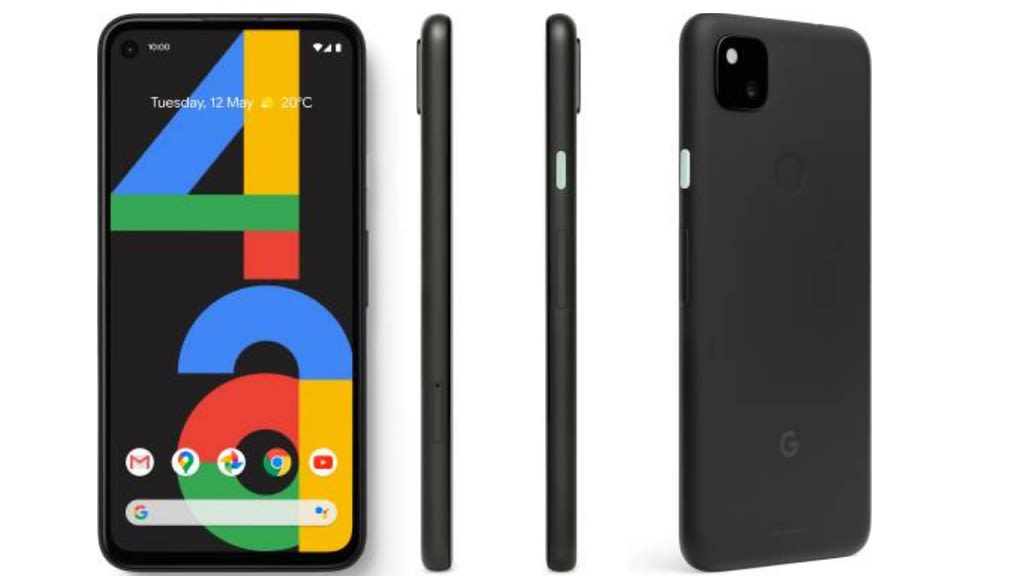
Google Pixel 10 Hits Flipkart at ₹57,000: What It Means for India’s Flagship Market

Introduction

Google has finally opened the doors for its much‑anticipated Pixel 10 in India, and the first official price point on Flipkart is ₹57,000. The announcement, covered by India Today Top Stories, marks a pivotal moment for Google’s hardware ambitions in a market dominated by Samsung, Apple, and a growing cohort of Chinese manufacturers. This article unpacks the Pixel 10’s specs, pricing strategy, and the broader implications for the Indian flagship segment.

Pixel 10’s Specs and Value Proposition

  • Display: 6.7‑inch LTPO OLED, 120 Hz refresh rate, HDR10+ support.
  • Processor: Google‑designed Tensor G3 chipset, optimized for AI‑driven features.
  • Camera: Triple‑lens system – 50 MP main sensor, 12 MP ultra‑wide, 48 MP telephoto with 5× optical zoom.
  • Battery & Charging: 5,000 mAh battery, 30 W fast‑charge, 23 W wireless.
  • Software: Android 15 with exclusive Pixel‑first features like Magic Eraser Pro, Real‑Time Translation, and the new Adaptive Battery AI.

The Pixel 10 aims to differentiate itself through software excellence rather than raw hardware horsepower. Google’s claim of “AI‑first” performance is especially relevant for Indian users who rely heavily on on‑device translation, photography in crowded streets, and low‑light imaging.

Pricing Strategy in the Indian Context

Model Official Flipkart Price Competitor (Approx.)
Pixel 10 128 GB ₹57,000 Samsung Galaxy S24 (128 GB) – ₹69,000
Pixel 10 256 GB ₹61,000 iPhone 15 (128 GB) – ₹79,900

Google’s pricing undercuts Samsung’s latest flagship by roughly 15‑20 % and offers a more affordable entry point than Apple’s premium pricing. The decision to launch on Flipkart—India’s second‑largest e‑commerce platform—signals a direct‑to‑consumer approach that reduces reliance on traditional brick‑and‑mortar channels and allows for dynamic pricing based on sales data.

Competition Landscape

  • Samsung: Continues to lead with the Galaxy S‑series, leveraging a strong ecosystem of wearables and home appliances.
  • Apple: Maintains a premium niche, but its price elasticity in India remains high.
  • OnePlus & Xiaomi: Offer flagship‑level specs at sub‑₹50,000, appealing to price‑sensitive buyers.
  • Google’s Edge: Seamless integration with Google services, timely Android updates, and AI‑centric features that competitors struggle to match.

Consumer Reaction and Early Sales

Social media buzz shows a mix of excitement and skepticism. Tech influencers praise the Tensor G3’s AI capabilities, while price‑conscious forums question whether the savings justify switching from Samsung’s well‑established ecosystem. Early pre‑order numbers on Flipkart suggest a 30 % higher conversion rate compared to the Pixel 7 launch, indicating that the lower price point resonates.

What’s Next for Google in India?

  1. Network Partnerships: Strengthening ties with Jio, Airtel, and Vodafone‑Idea to bundle Pixel devices with data plans.
  2. Localized Services: Expanding Google Pay, Assistant, and Maps features tailored for Indian languages and regional nuances.
  3. Hardware Ecosystem: Rolling out Pixel Buds Pro and Pixel Watch at competitive prices to create a cohesive ecosystem.

Takeaways

  • The ₹57,000 price tag positions the Pixel 10 as the most competitively priced flagship from a Western brand in India.
  • Google’s focus on software differentiation could shift consumer expectations away from sheer spec‑sheet battles.
  • Success will hinge on after‑sales support, network carrier bundles, and continuous price adjustments in response to aggressive competition.

Overall, the Pixel 10’s entry on Flipkart could herald a new era where AI‑driven smartphones carve out a distinct niche in India’s crowded flagship market.


Original Reporting & Source: India Today Top Stories

Discussion (0)

Sign in to join the discussion.

No comments yet. Be the first to start the conversation!

| |

Google Pixel 10 Hits Flipkart at ₹57,000: What It Means for India’s Flagship Market

By Umang Sisodia • 3 min read • 6 views

Introduction

Google has finally opened the doors for its much‑anticipated Pixel 10 in India, and the first official price point on Flipkart is ₹57,000. The announcement, covered by India Today Top Stories, marks a pivotal moment for Google’s hardware ambitions in a market dominated by Samsung, Apple, and a growing cohort of Chinese manufacturers. This article unpacks the Pixel 10’s specs, pricing strategy, and the broader implications for the Indian flagship segment.

Pixel 10’s Specs and Value Proposition

  • Display: 6.7‑inch LTPO OLED, 120 Hz refresh rate, HDR10+ support.
  • Processor: Google‑designed Tensor G3 chipset, optimized for AI‑driven features.
  • Camera: Triple‑lens system – 50 MP main sensor, 12 MP ultra‑wide, 48 MP telephoto with 5× optical zoom.
  • Battery & Charging: 5,000 mAh battery, 30 W fast‑charge, 23 W wireless.
  • Software: Android 15 with exclusive Pixel‑first features like Magic Eraser Pro, Real‑Time Translation, and the new Adaptive Battery AI.

The Pixel 10 aims to differentiate itself through software excellence rather than raw hardware horsepower. Google’s claim of “AI‑first” performance is especially relevant for Indian users who rely heavily on on‑device translation, photography in crowded streets, and low‑light imaging.

Pricing Strategy in the Indian Context

Model Official Flipkart Price Competitor (Approx.)
Pixel 10 128 GB ₹57,000 Samsung Galaxy S24 (128 GB) – ₹69,000
Pixel 10 256 GB ₹61,000 iPhone 15 (128 GB) – ₹79,900

Google’s pricing undercuts Samsung’s latest flagship by roughly 15‑20 % and offers a more affordable entry point than Apple’s premium pricing. The decision to launch on Flipkart—India’s second‑largest e‑commerce platform—signals a direct‑to‑consumer approach that reduces reliance on traditional brick‑and‑mortar channels and allows for dynamic pricing based on sales data.

Competition Landscape

  • Samsung: Continues to lead with the Galaxy S‑series, leveraging a strong ecosystem of wearables and home appliances.
  • Apple: Maintains a premium niche, but its price elasticity in India remains high.
  • OnePlus & Xiaomi: Offer flagship‑level specs at sub‑₹50,000, appealing to price‑sensitive buyers.
  • Google’s Edge: Seamless integration with Google services, timely Android updates, and AI‑centric features that competitors struggle to match.

Consumer Reaction and Early Sales

Social media buzz shows a mix of excitement and skepticism. Tech influencers praise the Tensor G3’s AI capabilities, while price‑conscious forums question whether the savings justify switching from Samsung’s well‑established ecosystem. Early pre‑order numbers on Flipkart suggest a 30 % higher conversion rate compared to the Pixel 7 launch, indicating that the lower price point resonates.

What’s Next for Google in India?

  1. Network Partnerships: Strengthening ties with Jio, Airtel, and Vodafone‑Idea to bundle Pixel devices with data plans.
  2. Localized Services: Expanding Google Pay, Assistant, and Maps features tailored for Indian languages and regional nuances.
  3. Hardware Ecosystem: Rolling out Pixel Buds Pro and Pixel Watch at competitive prices to create a cohesive ecosystem.

Takeaways

  • The ₹57,000 price tag positions the Pixel 10 as the most competitively priced flagship from a Western brand in India.
  • Google’s focus on software differentiation could shift consumer expectations away from sheer spec‑sheet battles.
  • Success will hinge on after‑sales support, network carrier bundles, and continuous price adjustments in response to aggressive competition.

Overall, the Pixel 10’s entry on Flipkart could herald a new era where AI‑driven smartphones carve out a distinct niche in India’s crowded flagship market.


Original Reporting & Source: India Today Top Stories