Umang Sisodia • • 3 min read • 19 views
Trump Claims Ukraine and Russia Will Spare Energy Infrastructure – Zelensky Remains Skeptical
Introduction
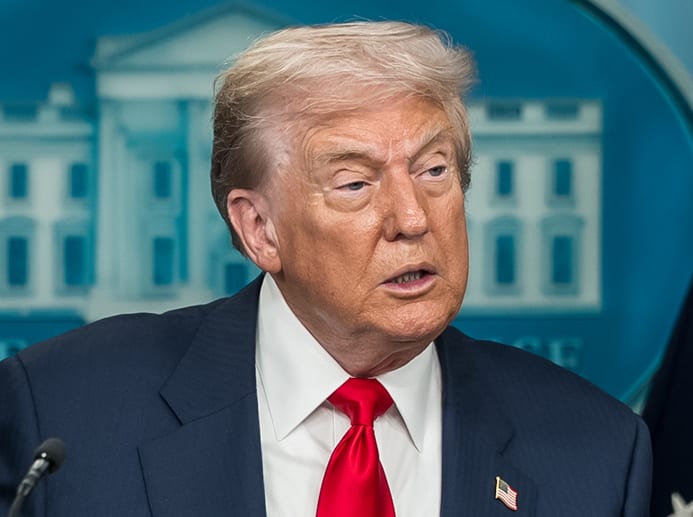
Former President Donald Trump recently asserted that Ukraine and Russia have reached an understanding not to target each other's energy facilities amid the ongoing war. The claim, made during a press briefing, was met with immediate skepticism from Ukrainian President Volodymyr Zelensky, who warned that such assurances are "far from reality". This article unpacks the political backdrop, examines the strategic importance of energy assets in the conflict, and evaluates the credibility of Trump’s statement.
The Geopolitical Context
- War of Resources: Since February 2022, both sides have repeatedly targeted power plants, oil depots, and gas pipelines. Disrupting energy supplies serves both as a tactical weapon and a means to cripple civilian morale.
- International Diplomacy: The United States, while supporting Kyiv with billions in aid, has also been cautious about escalating the conflict into a broader energy war that could affect global markets.
- Trump’s Narrative: Returning to the political arena, Trump often frames foreign disputes as opportunities for diplomatic breakthroughs, a stance that resonates with his "America First" base but raises doubts among seasoned analysts.
Zelensky’s Counter‑Narrative
- On‑the‑Ground Realities: Zelensky highlighted recent attacks on Ukrainian power grids that left millions without electricity, underscoring that any alleged pact is not being honored.
- Strategic Messaging: By publicly rejecting Trump’s claim, Zelensky aims to reinforce Ukraine’s resolve and remind allies that the war’s energy dimension remains volatile.
- Domestic Politics: Maintaining a narrative of resilience helps Zelensky sustain public support at home, especially as winter approaches and energy shortages loom.
Analyzing the Claim’s Plausibility
- Lack of Verifiable Evidence: No official statements from Moscow corroborate the existence of such an agreement. Russian officials continue to justify attacks on Ukrainian infrastructure as "military necessities".
- Historical Precedent: Past cease‑fire attempts involving energy targets have repeatedly collapsed. The 2022 Minsk agreements, for instance, failed to protect civilian power facilities.
- Strategic Incentives: Both Kyiv and Moscow have strong motives to target energy assets—Ukraine to pressure Russia economically, and Russia to undermine Ukrainian resistance.
Implications for Global Energy Markets
- Price Volatility: Speculation about a de‑escalation in energy attacks can temporarily calm oil and gas prices, but sustained uncertainty keeps markets jittery.
- Allied Responses: NATO allies monitor such statements closely; any credible de‑escalation could influence future aid packages and sanctions.
- Humanitarian Concerns: Even a short‑lived lull in attacks could provide a window for humanitarian relief, but without a binding agreement, such benefits remain fleeting.
Takeaways
- Skepticism Is Warranted: Until concrete, verifiable actions emerge, Trump’s claim should be treated as political rhetoric rather than a diplomatic breakthrough.
- Energy Remains a Battlefield: The war’s energy dimension will continue to shape both military strategy and civilian suffering.
- Monitoring Diplomatic Signals: Analysts must watch for any official communications from Moscow or Kyiv that could validate or refute the alleged pact.
Bottom line: While Trump’s statement offers a headline‑grabbing narrative, the reality on the ground—highlighted by Zelensky’s firm rebuttal—suggests that the energy front of the Ukraine‑Russia war remains as contested as ever.
For further reading, see analyses from the International Energy Agency, NATO’s strategic assessments, and on‑the‑ground reporting from Kyiv’s energy ministry.
Original Reporting & Source: India Today Top Stories

Discussion (0)
Sign in to join the discussion.
No comments yet. Be the first to start the conversation!