Umang Sisodia • • 3 min read • 8 views
Revanth Reddy’s Ganesh Idol Stunt at Hyderabad Pandal Sparks Political Buzz
The Scene That Captured Hyderabad’s Attention
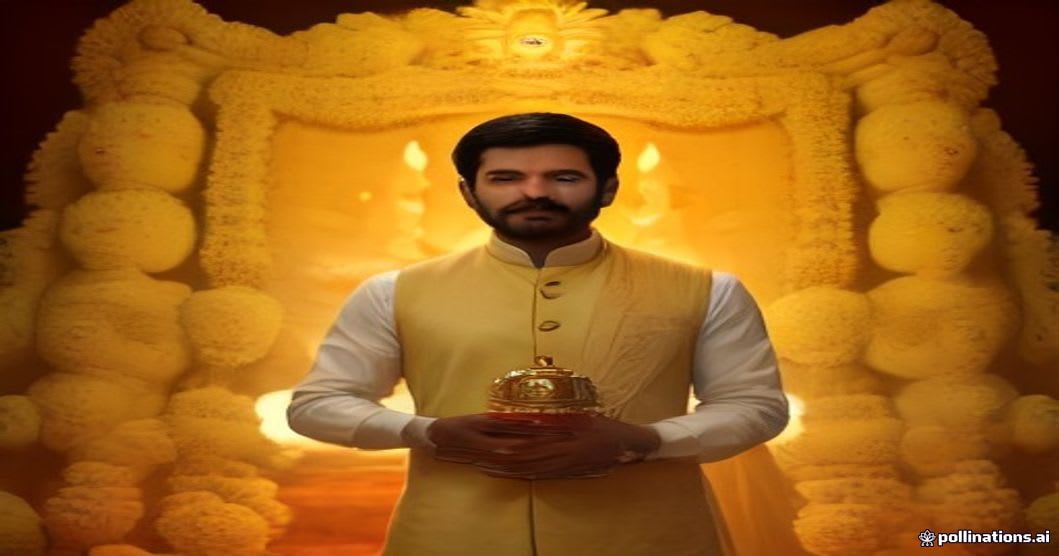
During the bustling Ganesh Chaturthi celebrations in Hyderabad, Congress leader Revanth Reddy was spotted cradling a towering Ganesha idol inside a lavishly decorated pandal. The image quickly went viral on social media, prompting a flurry of comments, memes, and political analyses. While the festival is traditionally a time for devotion and community gatherings, Reddy’s presence turned the event into a de‑facto political rally, blurring the lines between cultural reverence and electoral strategy.
Why a Ganesha Idol Became a Political Prop?
- Symbolic Appeal: Lord Ganesha, the remover of obstacles, is a universally beloved figure across India. By associating himself with the deity, Reddy aimed to project an image of a leader who can "clear the hurdles" facing Telangana.
- Timing: The idol‑holding moment coincided with the run‑up to the 2024 Lok Sabha elections, a period when parties intensify ground‑level outreach. Hyderabad, the state’s capital, remains a crucial battleground for both the Congress and the ruling TRS/BRS.
- Media Amplification: In the age of instant news, a single photograph can dominate headlines for days. Reddy’s gesture ensured that his name stayed in the public discourse beyond the usual party rallies.
The Cultural Context of Ganesh Chaturthi in Telangana
Ganesh Chaturthi, though more prominently celebrated in Maharashtra, enjoys a vibrant following in Hyderabad’s cosmopolitan neighborhoods. The city’s pandals—temporary structures adorned with lights, flowers, and elaborate decorations—draw crowds ranging from devout families to curious tourists. Politicians often attend these gatherings to demonstrate cultural connectivity, but Reddy’s act of physically holding the idol was a departure from the usual passive participation.
Political Repercussions
- Boost for Congress Cadre: Local party workers reported a surge in morale, citing the leader’s willingness to be on the front lines of public celebrations.
- Opposition’s Counter‑Narrative: Rival parties, particularly the Bharatiya Janata Party (BJP) and the BRS, criticized the move as a gimmick, arguing that religious symbols should remain apolitical.
- Social Media Echo Chamber: The photo sparked a wave of memes, some praising Reddy’s boldness, others mocking the theatrics. Hashtags like
#ReddyGaneshand#PandalPoliticstrended on Twitter for several hours. - Voter Sentiment: Early exit polls suggest that cultural outreach can sway undecided voters, especially in urban constituencies where identity politics intertwine with religious sentiment.
Broader Implications for Indian Electioneering
Reddy’s stunt underscores a growing trend where politicians leverage festival platforms to humanize themselves and tap into collective emotions. While effective in the short term, such tactics raise questions about the sanctity of religious celebrations and the potential for sectarian polarization. Scholars warn that repeated politicisation of cultural events may erode the neutral space that festivals traditionally provide.
Takeaways for Readers
- Cultural Sensitivity: Politicians must balance outreach with respect for religious sentiments to avoid backlash.
- Strategic Timing: Aligning political gestures with major festivals can amplify reach, but the impact is contingent on authentic engagement.
- Media Literacy: Voters should critically assess visual narratives, recognizing that a single image can be curated for maximum political gain.
As Hyderabad’s streets continue to echo with the rhythmic beats of dhols and the scent of modak, the episode serves as a reminder that in India’s vibrant democracy, politics and culture often dance together—sometimes in step, sometimes out of sync.
Original Reporting & Source: India Today Top Stories

Discussion (0)
Sign in to join the discussion.
No comments yet. Be the first to start the conversation!