Umang Sisodia • • 3 min read • 14 views

Tragic Death at Ahmedabad Station Highlights Gaps in Police Mental‑Health Support
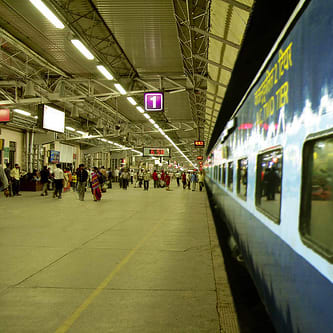
Tragic Death at Ahmedabad Station Highlights Gaps in Police Mental‑Health Support

A Grim Reminder of Systemic Gaps

A man who approached police for help at Ahmedabad’s central railway station was allowed to stay on the premises, only to end his own life days later. The incident, reported by India Today, has reignited a national conversation about the responsibilities of law‑enforcement agencies, the mental‑health safety nets for vulnerable individuals, and the broader societal stigma surrounding suicide.


What Happened?

  • The plea for assistance: The man, identified only as a transient, arrived at Ahmedabad Junction seeking police protection after a personal crisis.
  • Police response: Officers permitted him to remain within the station premises, a common practice in India where police sometimes act as informal custodians for those with nowhere else to go.
  • The tragic end: Within a short span, the man was found dead, having taken his own life.

The sparse details released by authorities have left many questions unanswered: Was there any follow‑up counseling? Did the police coordinate with mental‑health professionals? How does the railway system handle such cases?


The Larger Context

Mental‑Health Infrastructure in India

India’s mental‑health ecosystem remains under‑resourced. According to the World Health Organization, one in seven Indians suffers from a mental disorder, yet the country has only 0.75 psychiatrists per 100,000 people. Stigma, lack of awareness, and inadequate crisis‑intervention services exacerbate the problem.

Police as First Responders

The police are often the first point of contact for individuals in distress, especially in public spaces like railway stations. While the National Crime Records Bureau reports an increase in police‑mediated suicide interventions, systematic training on mental‑health crisis management is still limited.

Railway Stations: Unofficial Shelters

Railway stations across India double as informal shelters for the homeless and travelers in crisis. The Indian Railways has guidelines for providing basic amenities, but there is no standardized protocol for mental‑health assessment or referral.


Key Takeaways

  • Need for Formal Protocols: Police departments should adopt clear, mandatory procedures for mental‑health screening and referral when someone seeks help at public venues.
  • Collaboration with Health Services: Establishing a rapid liaison between police, railway authorities, and mental‑health NGOs could ensure timely counseling and crisis intervention.
  • Training & Sensitisation: Regular workshops on suicide prevention, de‑escalation techniques, and empathetic communication are essential for frontline officers.
  • Public Awareness: Community campaigns that destigmatise mental‑health issues can empower individuals to seek professional help before crises escalate.

Looking Ahead

The Ahmedabad incident is a stark reminder that human lives cannot be reduced to procedural check‑boxes. As India grapples with rising mental‑health challenges, a coordinated, compassionate response—anchored in policy, training, and community involvement—is imperative. Only then can we hope to prevent such tragedies and ensure that the very institutions meant to protect do not inadvertently become the backdrop of loss.

If you or someone you know is struggling with thoughts of suicide, please reach out to the National Suicide Prevention Helpline at 9152987821.


Original Reporting & Source: India Today Top Stories

Discussion (0)

Sign in to join the discussion.

No comments yet. Be the first to start the conversation!

| |

Tragic Death at Ahmedabad Station Highlights Gaps in Police Mental‑Health Support

By Umang Sisodia • 3 min read • 14 views

A Grim Reminder of Systemic Gaps

A man who approached police for help at Ahmedabad’s central railway station was allowed to stay on the premises, only to end his own life days later. The incident, reported by India Today, has reignited a national conversation about the responsibilities of law‑enforcement agencies, the mental‑health safety nets for vulnerable individuals, and the broader societal stigma surrounding suicide.


What Happened?

  • The plea for assistance: The man, identified only as a transient, arrived at Ahmedabad Junction seeking police protection after a personal crisis.
  • Police response: Officers permitted him to remain within the station premises, a common practice in India where police sometimes act as informal custodians for those with nowhere else to go.
  • The tragic end: Within a short span, the man was found dead, having taken his own life.

The sparse details released by authorities have left many questions unanswered: Was there any follow‑up counseling? Did the police coordinate with mental‑health professionals? How does the railway system handle such cases?


The Larger Context

Mental‑Health Infrastructure in India

India’s mental‑health ecosystem remains under‑resourced. According to the World Health Organization, one in seven Indians suffers from a mental disorder, yet the country has only 0.75 psychiatrists per 100,000 people. Stigma, lack of awareness, and inadequate crisis‑intervention services exacerbate the problem.

Police as First Responders

The police are often the first point of contact for individuals in distress, especially in public spaces like railway stations. While the National Crime Records Bureau reports an increase in police‑mediated suicide interventions, systematic training on mental‑health crisis management is still limited.

Railway Stations: Unofficial Shelters

Railway stations across India double as informal shelters for the homeless and travelers in crisis. The Indian Railways has guidelines for providing basic amenities, but there is no standardized protocol for mental‑health assessment or referral.


Key Takeaways

  • Need for Formal Protocols: Police departments should adopt clear, mandatory procedures for mental‑health screening and referral when someone seeks help at public venues.
  • Collaboration with Health Services: Establishing a rapid liaison between police, railway authorities, and mental‑health NGOs could ensure timely counseling and crisis intervention.
  • Training & Sensitisation: Regular workshops on suicide prevention, de‑escalation techniques, and empathetic communication are essential for frontline officers.
  • Public Awareness: Community campaigns that destigmatise mental‑health issues can empower individuals to seek professional help before crises escalate.

Looking Ahead

The Ahmedabad incident is a stark reminder that human lives cannot be reduced to procedural check‑boxes. As India grapples with rising mental‑health challenges, a coordinated, compassionate response—anchored in policy, training, and community involvement—is imperative. Only then can we hope to prevent such tragedies and ensure that the very institutions meant to protect do not inadvertently become the backdrop of loss.

If you or someone you know is struggling with thoughts of suicide, please reach out to the National Suicide Prevention Helpline at 9152987821.


Original Reporting & Source: India Today Top Stories