Umang Sisodia • • 3 min read • 6 views
U.S. Cautions Saudi Arabia on Military Aid After Omani Talks with Houthis
Background
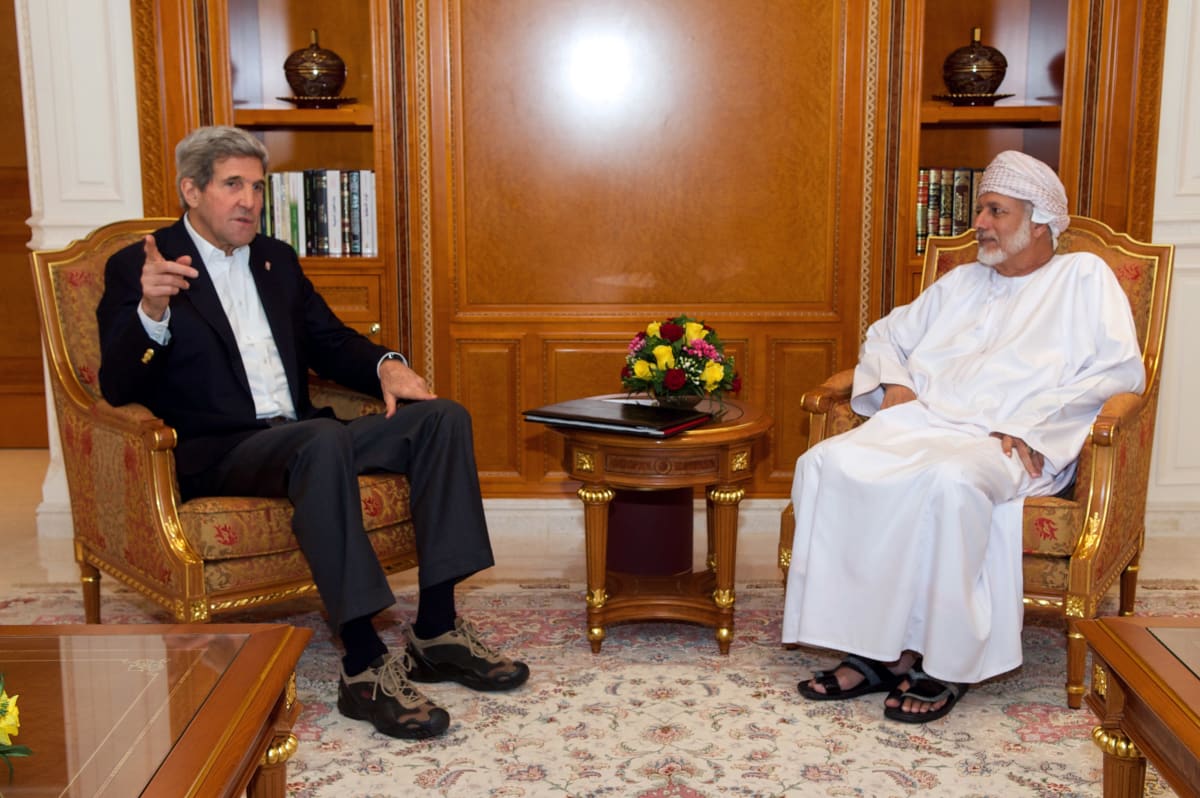
The United States has long been a key security partner for Saudi Arabia, supplying arms, intelligence and logistical support in the kingdom's campaign against the Houthi rebels in Yemen. Yet, recent diplomatic overtures in Muscat have introduced a new wrinkle. After a series of low‑key talks between Omani mediators and senior Houthi representatives, Washington signalled a pause on further military assistance to Riyadh, citing concerns over escalating civilian casualties and the risk of a broader regional conflagration.
The Omani Mediation
- Neutral ground: Oman, maintaining a policy of non‑alignment, has acted as a back‑channel conduit for dialogue between the Houthis and the Saudi-led coalition.
- Key outcomes: The latest round in Muscat produced a tentative cease‑fire proposal and a request from the Houthis for a humanitarian corridor.
- U.S. involvement: While not a direct participant, the United States closely monitored the talks, using its intelligence networks to gauge the Houthis' willingness to negotiate.
U.S. Strategic Calculus
The decision to withhold additional aid stems from several intersecting calculations:
- Domestic pressure – Congressional hearings and human‑rights groups have intensified scrutiny over U.S. arms sales linked to civilian harm in Yemen.
- Regional stability – A renewed Saudi offensive could destabilise the Red Sea shipping lanes, threatening global energy markets.
- Diplomatic leverage – By tempering support, Washington hopes to nudge Riyadh toward a negotiated settlement rather than a purely military solution.
Implications for Saudi Arabia
- Operational slowdown – Without fresh U.S. equipment and intelligence, Saudi air operations may lose some of their edge.
- Political signaling – Riyadh may interpret the pause as a rebuke, prompting it to either accelerate diplomatic overtures or double down on its own military campaign.
- Economic angle – The Saudi defence sector, heavily reliant on foreign technology, could see a short‑term dip in procurement contracts.
Regional Outlook
- Houthi response – The rebels have welcomed Oman's mediation but remain wary of any overtures that could be perceived as a U.S. softening of its stance.
- Iranian factor – Tehran, a backer of the Houthis, may view the U.S. restraint as an opening to increase its own influence in the conflict.
- Broader geopolitics – The episode underscores the delicate balance Washington must strike between supporting an ally and avoiding entanglement in a protracted humanitarian disaster.
Takeaways
- The U.S. pause on aid is a strategic move aimed at encouraging diplomatic progress rather than a permanent shift in policy.
- Oman’s role as a neutral facilitator is gaining prominence, highlighting the value of back‑channel diplomacy in intractable conflicts.
- Saudi Arabia faces a crossroads: adapt its strategy to incorporate political solutions, or risk further isolation from its key Western partner.
- For the Yemeni people, any de‑escalation offers a glimmer of hope for humanitarian relief, but the path forward remains fraught with uncertainty.
The evolving dynamics in Muscat illustrate how a single diplomatic venue can reshape the calculus of great‑power involvement in a regional war.
Original Reporting & Source: India Today Top Stories

Discussion (0)
Sign in to join the discussion.
No comments yet. Be the first to start the conversation!