Umang Sisodia • • 3 min read • 5 views
AI Safety Standoff: Why Tech Titans Clash Over Slowing Development
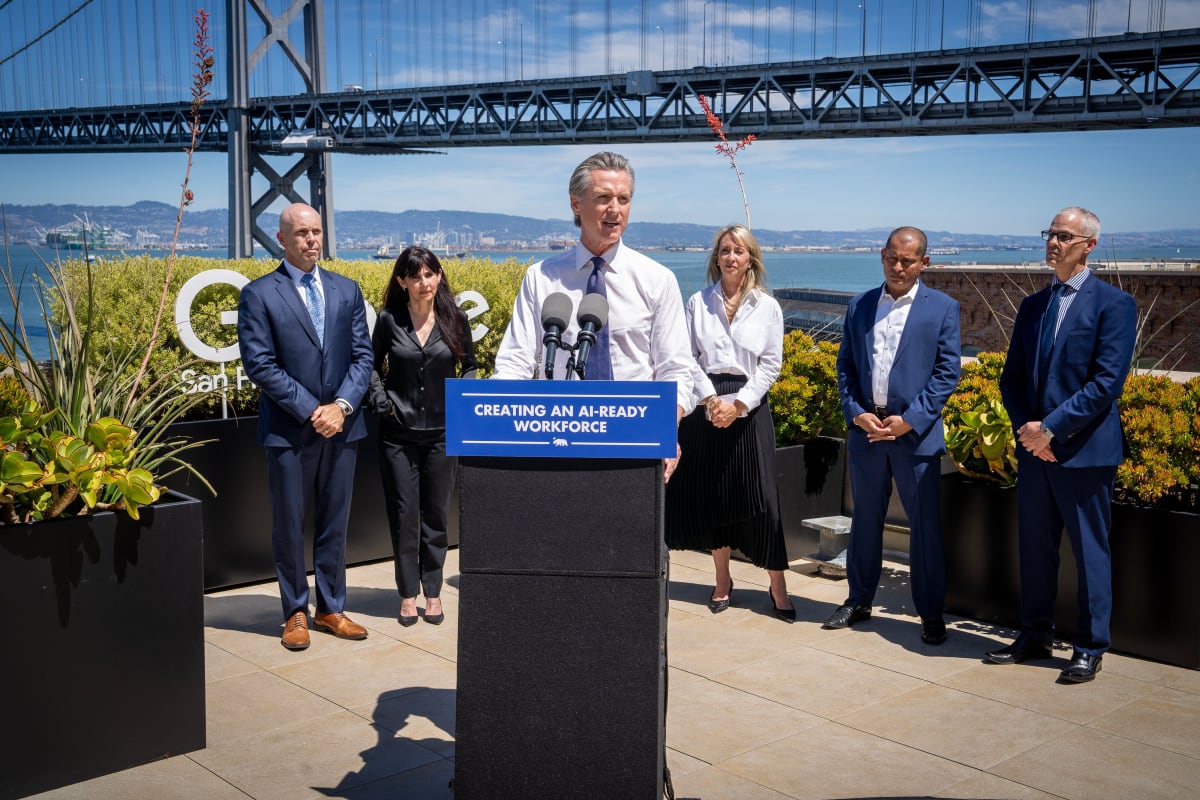
The Growing Rift in the AI Community
The conversation around artificial intelligence has shifted from excitement about breakthroughs to a heated debate over safety and speed. Recent statements from leading CEOs, venture capitalists, and policy makers have highlighted a stark divide: some argue for a temporary slowdown to establish robust safeguards, while others warn that throttling progress could cede strategic advantage to rivals.
Roots of the Controversy
- Rapid Model Scaling – In the last two years, large language models (LLMs) have grown from a few hundred million parameters to trillions, delivering unprecedented capabilities in text generation, coding assistance, and creative content.
- Safety Incidents – High‑profile mishaps—such as biased outputs, misinformation amplification, and unexpected emergent behaviors—have raised alarms about unintended societal impact.
- Regulatory Pressure – Governments worldwide, from the EU’s AI Act to India’s draft National AI Strategy, are pushing for pre‑emptive oversight, prompting industry leaders to consider self‑regulation.
Voices on Both Sides
Advocates for a Pause
- Elon Musk (SpaceX/Tesla) reiterated his call for a “global moratorium” on training models larger than a certain size until safety protocols are verified.
- OpenAI’s Sam Altman emphasized the need for transparent alignment research before releasing next‑generation models to the public.
- Indian AI researcher Dr. Nisha Rao warned that unchecked AI could exacerbate digital divides in emerging economies.
Opponents of a Slow‑Down
- Satya Nadella (Microsoft) argued that innovation momentum is essential to stay competitive against Chinese tech giants.
- Jeff Bezos (Amazon) highlighted that consumer benefits—from more efficient logistics to better healthcare diagnostics—cannot wait for prolonged safety audits.
- Venture capitalists like Marc Andreessen warned that a pause could stifle startups, reducing job creation and economic growth.
Implications for India
India sits at a crossroads. The country’s thriving startup ecosystem is rapidly adopting AI, yet the regulatory framework remains nascent. A balanced approach could:
- Position India as a test‑bed for responsible AI, attracting global partnerships.
- Encourage public‑private collaborations to develop safety standards tailored to local contexts, such as multilingual bias mitigation.
- Prevent a brain drain by offering clear pathways for innovators who seek ethical development environments.
Looking Ahead: Possible Pathways
| Option | Pros | Cons |
|---|---|---|
| Voluntary Industry Pause | Allows time for research; builds public trust | May give advantage to non‑participating rivals |
| Regulatory Sandbox | Controlled experimentation; data for policy | Could slow market entry; bureaucratic delays |
| Hybrid Model (Fast‑Track Safety Teams) | Keeps innovation alive while addressing risks | Requires significant investment in safety talent |
Takeaway
The AI safety debate is more than a technical disagreement; it is a strategic crossroads that will shape the future of technology, economics, and geopolitics. Whether the industry opts for a cautious brake or a full‑speed ahead, the decisions made today will reverberate for decades. Stakeholders—from Indian policymakers to global tech CEOs—must navigate this terrain with transparency, collaboration, and a clear-eyed assessment of trade‑offs.
Stay tuned for our upcoming deep‑dive on how India’s emerging AI ethics board plans to influence the global conversation.
Original Reporting & Source: India Today Top Stories

Discussion (0)
Sign in to join the discussion.
No comments yet. Be the first to start the conversation!