Umang Sisodia • • 3 min read • 6 views
Radhashtami 2026: Exact Date, Auspicious Muhurat & Celebration Guide
Introduction
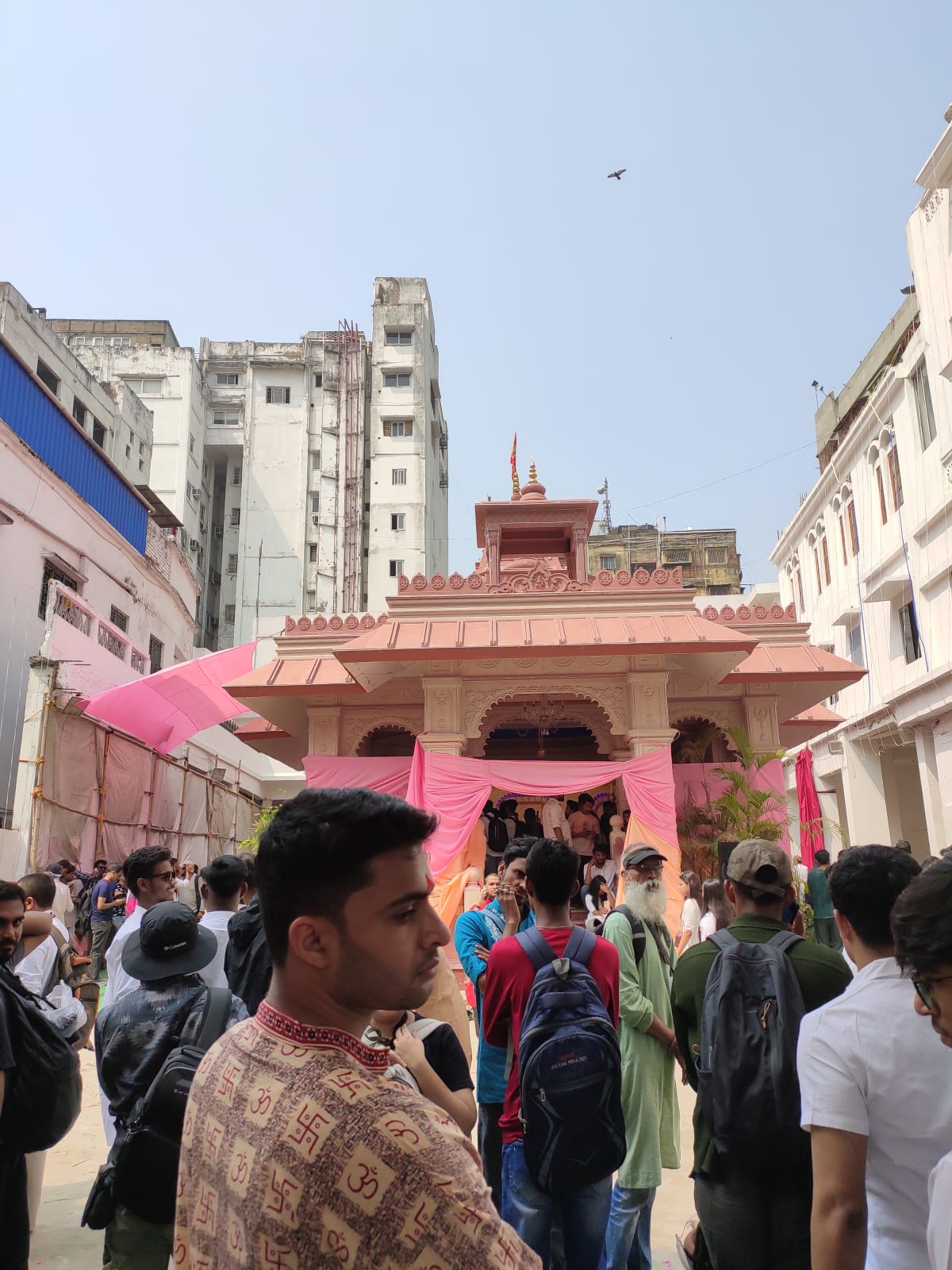
Radhashtami, also known as Radhastami, marks the birth anniversary of Goddess Radha, the beloved consort of Lord Krishna. Celebrated with devotion across North India and among the global Vaishnav community, the festival falls on the ashtami (eighth day) of the bright half of the month of Bhadrapada in the Hindu lunar calendar. While the traditional date shifts each year in the Gregorian calendar, 2026 offers a clear window for devotees to plan their puja, community events, and cultural programs.
How the Hindu Calendar Determines the Date
- Lunar Months: The Hindu calendar is lunisolar; each month begins with the new moon. Bhadrapada (भाद्रपद) corresponds roughly to August‑September in the Gregorian calendar.
- Shukla Paksha Ashtami: Radhashtami is observed on the 8th tithi (ashtami) of the Shukla Paksha (waxing phase) of Bhadrapada.
- Astronomical Adjustments: The exact sunrise and sunset times, as well as the muhurat (auspicious period), are calculated using the panchang—a traditional almanac that accounts for planetary positions, sunrise, and yoga (a specific combination of the sun and moon).
Radhashtami 2026: Date & Muhurat
| Gregorian Date | Hindu Calendar | Day | Muhurat (Auspicious Time) |
|---|---|---|---|
| September 6, 2026 | Bhadrapada Shukla Ashtami | Sunday | 06:45 AM – 08:30 AM (Sunrise) and 06:15 PM – 07:45 PM (Evening) |
Note: Local panchangs may vary by a few minutes depending on the city’s longitude. Devotees should consult their regional almanac for the precise shubh window.
Regional Variations in Celebration
- Vrindavan & Mathura: The epicenter of Radha‑Krishna lore, these towns host grand kirtans, ras leela performances, and a night‑long aarti at the Banke Bihari Temple.
- Uttar Pradesh & Bihar: Rural villages organize jagran (night vigils) with devotional songs, and many families prepare sindoor (vermilion) offerings to Radha’s idol.
- Diaspora Communities: Temples in the US, UK, and Canada broadcast live bhajans and organize prasad distribution via online platforms.
How to Observe Radhashtami at Home
- Clean & Decorate: Sweep the puja area, drape the altar with fresh rangoli designs in pink and red hues.
- Install the Deity: Place a beautifully crafted Radha idol, preferably adorned with seasonal flowers like gulab and kamal.
- Recite Mantras: Chant the Radha Ashtami Stotra or the Hare Krishna maha-mantra.
- Offer Prasad: Prepare peda, kheer, and ladoo—sweet dishes traditionally associated with Radha’s love for Krishna.
- Participate in Aarti: Light incense sticks and a diya during the prescribed muhurat; conclude with prasad distribution among family members.
Embracing Technology: Virtual Puja & Live Streams
Many temples now stream their aarti on YouTube and Facebook, allowing devotees worldwide to join in real time. Platforms like Gaana and Spotify also curate special Radhashtami playlists, enhancing the devotional atmosphere.
Takeaway
Radhashtami 2026 falls on September 6, offering a perfect blend of sunrise and evening muhurat for worship. Whether you join a temple congregation in Vrindavan, attend a community event abroad, or conduct a heartfelt home puja, the essence remains the same—celebrating the divine love of Radha and Krishna. Mark the date, prepare your prasad, and immerse yourself in the timeless melody of devotion.
Stay tuned for our upcoming post on the significance of Rasa Lila performances during Radhashtami and how they reflect the spiritual philosophy of prema (pure love).
Original Reporting & Source: India Today Top Stories

Discussion (0)
Sign in to join the discussion.
No comments yet. Be the first to start the conversation!