Umang Sisodia • • 4 min read • 8 views
From Muzaffarnagar to Spiti: How an E‑Rickshaw’s Daring Descent Went Viral
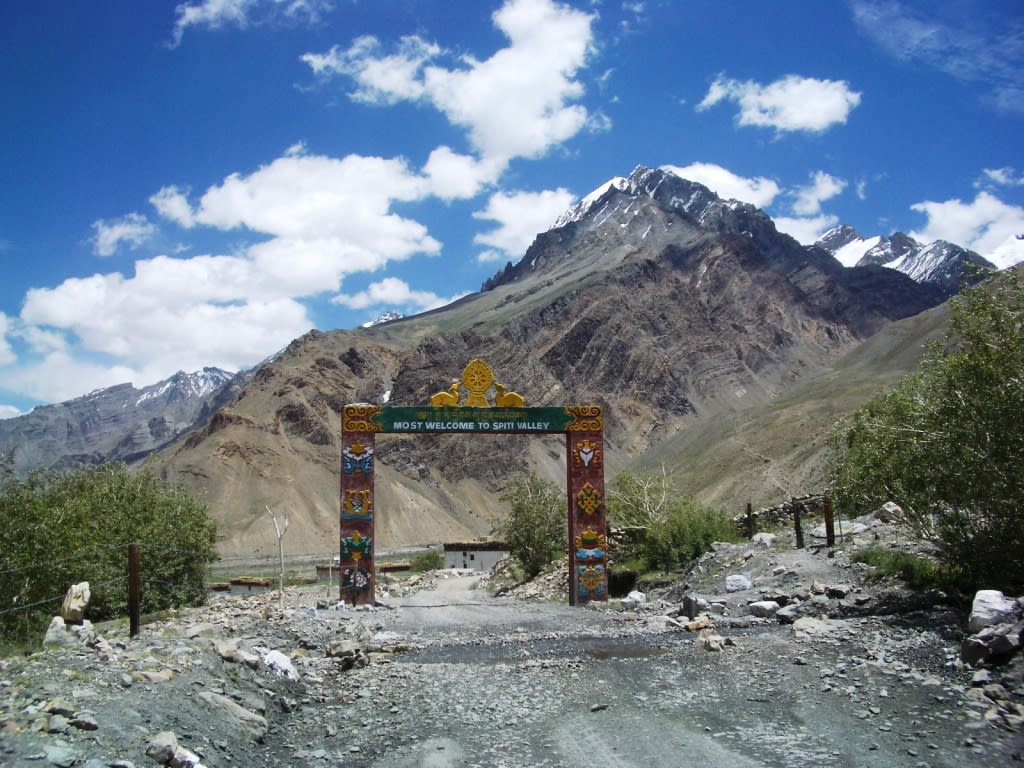
A Small Town Driver, a Giant Mountain Road
When Rohit Kumar, a 28‑year‑old e‑rickshaw driver from Muzaffarnagar, decided to take his electric three‑wheeler on the Spiti Valley highway, nobody could have predicted the avalanche of attention it would generate. The video of his narrow, wobbling descent along the rock‑strewn cliffs of the Spiti‑Lahaul region racked up millions of views within days, sparking debates on everything from road safety to the future of electric mobility in India's most remote terrains.
Why This Story Captured the Nation’s Imagination
| Factor | Insight |
|---|---|
| Contrast | A low‑powered, urban‑centric vehicle pitted against the rugged, high‑altitude roads of the Himalayas. |
| Virality | The clip’s raw, unedited nature—complete with the driver’s nervous laughter and the screech of brakes—made it instantly relatable. |
| Narrative | It’s a classic underdog tale: a small‑town worker challenging nature’s extremes, echoing the larger Indian spirit of perseverance. |
The video’s spread coincided with a broader conversation about electric vehicles (EVs) in remote India. While e‑rickshaws have become a staple in cities like Delhi and Bengaluru, their suitability for high‑altitude, low‑temperature environments remains a hot topic.
The Road to Spiti: A Brief Geography Lesson
Spiti Valley, perched at an average elevation of 4,000 metres, is known for its treacherous, unpaved roads that snake between barren cliffs, glacial streams, and occasional pockets of desert‑like terrain. The Kaza‑Sarchu stretch—the very segment featured in the viral clip—offers barely any guardrails, sharp hairpin bends, and a surface that can shift from loose gravel to icy patches within minutes.
Driving any vehicle here demands skill, but an e‑rickshaw, with its modest 250 W motor and limited torque, faces additional challenges:
- Battery performance drops sharply in sub‑zero temperatures, reducing range by up to 30‑40 %.
- Regenerative braking—a hallmark of EVs—offers limited assistance on steep descents where mechanical brakes are essential.
- Weight distribution is less optimal for uneven surfaces, increasing the risk of roll‑overs.
What the Viral Moment Means for Policy and Industry
- Safety Regulations: State transport authorities are now urged to revisit licensing requirements for electric three‑wheelers on mountain roads. Some experts suggest mandatory terrain‑specific training for drivers venturing beyond urban limits.
- Infrastructure Investment: The incident highlights the need for better charging infrastructure in high‑altitude zones. Companies like Tata Power and Ather Energy have hinted at pilot projects for solar‑powered charging stations in Ladakh and Himachal.
- Consumer Perception: While the video showcases the daring spirit of a driver, it also raises awareness of the limitations of current e‑rickshaw technology, prompting manufacturers to innovate battery chemistry that can withstand extreme cold.
The Human Angle: Rohit’s Own Words
In a follow‑up interview, Rohit explained his motivation: *“I wanted to prove that an e‑rickshaw isn’t just for city streets. If we can reach the remotest villages, we can bring clean transport to places that still rely on diesel‑powered jeeps.*”
His optimism, however, is tempered with caution: “I was lucky this time. The road was dry, and the traffic was nil. It could have ended badly.” His story serves as a reminder that innovation must be paired with responsibility.
Takeaways
- Viral content can accelerate policy discussions, especially when it spotlights a gap between technology and terrain.
- Electric mobility in the Himalayas remains a work‑in‑progress; robust batteries and driver training are critical.
- Human stories—like Rohit’s daring drive—continue to captivate audiences, bridging the gap between rural aspirations and global sustainability goals.
As India pushes toward a greener future, the Spiti e‑rickshaw episode stands as both a cautionary tale and an inspiration for innovators willing to navigate the thin line between ambition and safety.
Stay tuned for more on how electric vehicles are reshaping India’s most challenging landscapes.
Original Reporting & Source: India Today Top Stories

Discussion (0)
Sign in to join the discussion.
No comments yet. Be the first to start the conversation!