Umang Sisodia • • 3 min read • 7 views

Kohat Mosque Blast Claims 21 Lives, Over 100 Injured – A Deep Dive into Pakistan’s Security Challenges
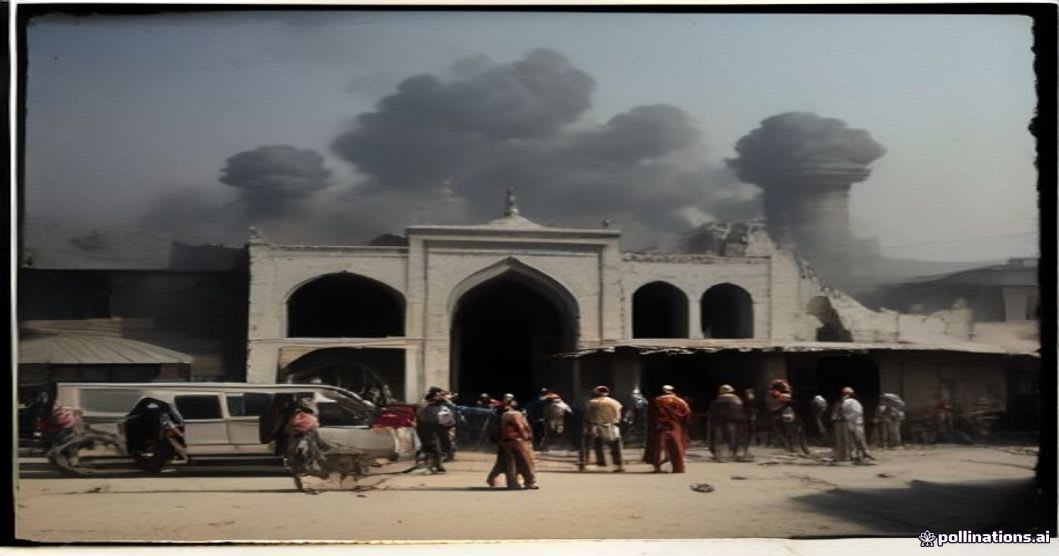
Kohat Mosque Blast Claims 21 Lives, Over 100 Injured – A Deep Dive into Pakistan’s Security Challenges

Overview

On [date not specified], a devastating explosion ripped through a crowded mosque in Kohat, a city in Pakistan’s Khyber Pakhtunkhwa province, just metres from the local police lines. The blast killed at least 21 people and left more than 100 injured, sending shockwaves through the region and reigniting debates over the country’s counter‑terrorism strategy.


The Incident

  • Location: A Sunni mosque adjacent to the police headquarters in Kohat.
  • Casualties: 21 dead, >100 wounded (including children and women).
  • Immediate cause: Preliminary police reports suggest a planted improvised explosive device (IED) detonated during Friday prayers. The exact trigger—whether a suicide bomber or a timed device—remains under investigation.
  • Response: Emergency services, military medics, and local volunteers rushed to the scene within minutes. Makeshift triage tents were set up outside the mosque, and the injured were ferried to nearby hospitals in Kohat and Peshawar.

Immediate Aftermath

The blast prompted a massive security clampdown:

  • Police cordon: The area around the mosque and the adjacent police lines was sealed off.
  • Search operations: Teams combed nearby markets and residential streets for additional explosives.
  • Public reaction: Residents gathered in mourning, lighting candles and offering prayers for the victims. Social media erupted with grief, anger, and calls for swift justice.

Security Context

Kohat has long been a flashpoint in Pakistan’s fight against militancy. The city sits on a historic insurgency route linking the tribal areas to the rest of the country. In recent years, the Pakistani military has launched several operations—Operation Zarb-e-Azb and Operation Radd-ul-Fasaad—to dismantle terrorist networks. Yet, attacks on soft targets such as places of worship continue to expose gaps in intelligence and community policing.

Key factors influencing the security landscape:

  1. Cross‑border infiltration: Porous borders with Afghanistan allow militants to move relatively freely.
  2. Local grievances: Economic marginalisation and lack of education fuel recruitment for extremist outfits.
  3. Fragmented militant groups: Splinter factions often operate autonomously, making detection harder.

Regional Implications

The Kohat blast reverberates beyond Pakistan’s borders:

  • Diplomatic pressure: Neighboring countries, especially Afghanistan and Iran, monitor such incidents closely, fearing spill‑over effects.
  • Humanitarian concerns: Large numbers of injured strain local medical infrastructure, prompting calls for international aid.
  • Counter‑terrorism cooperation: The attack may accelerate joint intelligence sharing between Pakistan and allies like the United States and Saudi Arabia.

Lessons and Way Forward

  • Enhanced surveillance: Deploying CCTV and drone monitoring around religious sites can deter potential attackers.
  • Community engagement: Empowering local religious leaders to report suspicious activity can bridge the gap between security forces and civilians.
  • Rapid medical response: Investing in mobile trauma units and training first‑responders will reduce mortality in future incidents.
  • Holistic deradicalisation: Long‑term strategies must address education, employment, and ideological rehabilitation.

Takeaway

The tragic Kohat mosque blast underscores that Pakistan’s battle against militancy is far from over. While military operations have weakened major terror outfits, the persistence of low‑intensity attacks on civilian spaces signals a need for a more nuanced, community‑centric approach. Only by marrying hard security measures with soft‑power initiatives can the cycle of violence be broken and public confidence restored.


For continuous updates on security developments across South Asia, stay tuned to our dedicated coverage.


Original Reporting & Source: India Today Top Stories

Discussion (0)

Sign in to join the discussion.

No comments yet. Be the first to start the conversation!

| |

Kohat Mosque Blast Claims 21 Lives, Over 100 Injured – A Deep Dive into Pakistan’s Security Challenges

By Umang Sisodia • 3 min read • 7 views

Overview

On [date not specified], a devastating explosion ripped through a crowded mosque in Kohat, a city in Pakistan’s Khyber Pakhtunkhwa province, just metres from the local police lines. The blast killed at least 21 people and left more than 100 injured, sending shockwaves through the region and reigniting debates over the country’s counter‑terrorism strategy.


The Incident

  • Location: A Sunni mosque adjacent to the police headquarters in Kohat.
  • Casualties: 21 dead, >100 wounded (including children and women).
  • Immediate cause: Preliminary police reports suggest a planted improvised explosive device (IED) detonated during Friday prayers. The exact trigger—whether a suicide bomber or a timed device—remains under investigation.
  • Response: Emergency services, military medics, and local volunteers rushed to the scene within minutes. Makeshift triage tents were set up outside the mosque, and the injured were ferried to nearby hospitals in Kohat and Peshawar.

Immediate Aftermath

The blast prompted a massive security clampdown:

  • Police cordon: The area around the mosque and the adjacent police lines was sealed off.
  • Search operations: Teams combed nearby markets and residential streets for additional explosives.
  • Public reaction: Residents gathered in mourning, lighting candles and offering prayers for the victims. Social media erupted with grief, anger, and calls for swift justice.

Security Context

Kohat has long been a flashpoint in Pakistan’s fight against militancy. The city sits on a historic insurgency route linking the tribal areas to the rest of the country. In recent years, the Pakistani military has launched several operations—Operation Zarb-e-Azb and Operation Radd-ul-Fasaad—to dismantle terrorist networks. Yet, attacks on soft targets such as places of worship continue to expose gaps in intelligence and community policing.

Key factors influencing the security landscape:

  1. Cross‑border infiltration: Porous borders with Afghanistan allow militants to move relatively freely.
  2. Local grievances: Economic marginalisation and lack of education fuel recruitment for extremist outfits.
  3. Fragmented militant groups: Splinter factions often operate autonomously, making detection harder.

Regional Implications

The Kohat blast reverberates beyond Pakistan’s borders:

  • Diplomatic pressure: Neighboring countries, especially Afghanistan and Iran, monitor such incidents closely, fearing spill‑over effects.
  • Humanitarian concerns: Large numbers of injured strain local medical infrastructure, prompting calls for international aid.
  • Counter‑terrorism cooperation: The attack may accelerate joint intelligence sharing between Pakistan and allies like the United States and Saudi Arabia.

Lessons and Way Forward

  • Enhanced surveillance: Deploying CCTV and drone monitoring around religious sites can deter potential attackers.
  • Community engagement: Empowering local religious leaders to report suspicious activity can bridge the gap between security forces and civilians.
  • Rapid medical response: Investing in mobile trauma units and training first‑responders will reduce mortality in future incidents.
  • Holistic deradicalisation: Long‑term strategies must address education, employment, and ideological rehabilitation.

Takeaway

The tragic Kohat mosque blast underscores that Pakistan’s battle against militancy is far from over. While military operations have weakened major terror outfits, the persistence of low‑intensity attacks on civilian spaces signals a need for a more nuanced, community‑centric approach. Only by marrying hard security measures with soft‑power initiatives can the cycle of violence be broken and public confidence restored.


For continuous updates on security developments across South Asia, stay tuned to our dedicated coverage.


Original Reporting & Source: India Today Top Stories