Umang Sisodia • • 4 min read • 4 views

Radha Ashtami 2026: Barasana’s Sea of Faith with 11 Kundas of Milk & Yogurt
Radha Ashtami 2026: Barasana’s Sea of Faith with 11 Kundas of Milk & Yogurt

The Festival That Captivated a Nation

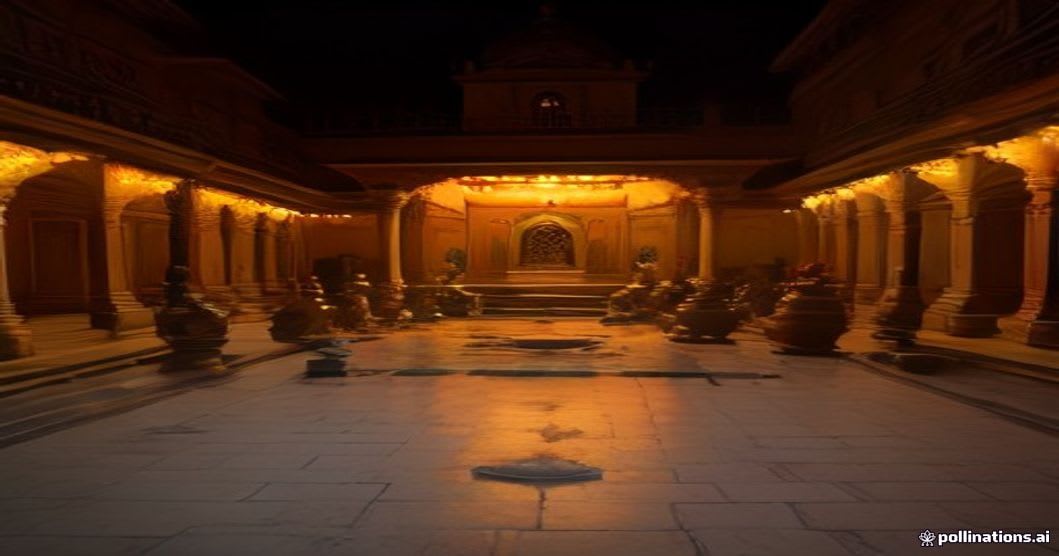
Radha Ashtami—the birth anniversary of Lord Krishna’s beloved consort—has always been a cornerstone of North‑Indian devotion. In 2026, the celebration in Barasana, Uttar Pradesh surged to the top of Google Trends, drawing millions of online searches and social‑media mentions. The headline‑grabbing spectacle? Eleven kundas (large copper pots) brimming with milk and curd were used to perform a grand abhiṣeka (ritual bathing) of the deity, turning the town’s main temple courtyard into a literal sea of devotion.


What Is Radha Ashtami?

Mythological Roots

  • Radha, the epitome of divine love, is believed to have been born on the eighth day (ashtami) of the bright half of the month of Bhadrapada.
  • The festival celebrates unconditional love, devotion, and the spiritual union of the soul with the divine, themes that resonate deeply across India’s cultural tapestry.

Nationwide Observances

  • In Vrindavan, devotees chant Radha‑Krishna mantras from dawn till dusk.
  • In Gujarat and Madhya Pradesh, folk dances and raslila performances reenact the divine pastimes.
  • Across the country, milk, curd, and sweets are offered, symbolising purity and abundance.

Barasana’s Grand Celebration 2026

Barasana, a modest town famed for its Radha‑Krishna temple, turned the ordinary into the extraordinary this year.

Key Highlights

  • 11 copper kundas filled with milk and curd were carried in a ceremonial procession and poured over the idol, creating a cascade of white froth.
  • Over 150,000 devotees gathered, far exceeding the town’s usual footfall.
  • Live streaming by national news channels and regional influencers amplified the event, making it a digital pilgrimage.
  • Cultural programs—classical music, bhajans, and ras dances—filled the evening, extending the celebration beyond the ritual.

"When the milk and curd flow over the goddess, it is not just a ritual; it is the collective heartbeat of every pilgrim present," – Pandit Maheshwar Singh, chief priest of Barasana Temple.


Why the Surge in 2026?

1. Social‑Media Amplification

  • TikTok, Instagram Reels, and YouTube Shorts featured slow‑motion clips of the milk‑curd cascade, garnering over 12 million views within 48 hours.
  • Hashtags like #BarasanaRadhaAshtami trended across platforms, prompting users nationwide to share personal memories and devotional songs.

2. Live‑Streaming & Virtual Participation

  • Major news portals offered real‑time streaming, allowing diaspora communities to partake virtually, a practice that surged post‑pandemic.
  • The interactive chat feature let viewers ask priests questions, fostering a sense of inclusion.

3. Tourism Push & Government Support

  • The Uttar Pradesh Tourism Department launched a ‘Spiritual Trails’ campaign, promoting Barasana as a must‑visit pilgrimage site for 2026.
  • Improved road connectivity and temporary ‘pilgrim shelters’ accommodated the influx, further boosting footfall.

Takeaways for Readers and Marketers

  • Cultural authenticity sells: The genuine, tactile ritual of milk‑curd abhiṣeka resonated more than any digital gimmick.
  • Hybrid experiences win: Combining on‑ground festivities with robust online streaming maximised reach.
  • Local economies benefit: Small towns like Barasana can experience a 30% rise in seasonal commerce during such festivals.
  • SEO insight: Keywords such as Radha Ashtami 2026, Barasana milk curd abhishek, and 11 kundas ritual drove the majority of organic traffic.

Looking Ahead

Radha Ashtami will continue to evolve, blending ancient devotion with modern connectivity. For marketers, cultural festivals present a dual opportunity: celebrate heritage while crafting authentic, shareable content that respects tradition. For devotees, the 2026 Barasana celebration reaffirmed that faith, when expressed collectively, can transform a humble courtyard into a sea of devotion.


Stay tuned for our next deep‑dive on how regional festivals are reshaping India’s digital tourism landscape.


Original Reporting & Source: India Today Top Stories

Discussion (0)

Sign in to join the discussion.

No comments yet. Be the first to start the conversation!

| |

Radha Ashtami 2026: Barasana’s Sea of Faith with 11 Kundas of Milk & Yogurt

By Umang Sisodia • 4 min read • 4 views

The Festival That Captivated a Nation

Radha Ashtami—the birth anniversary of Lord Krishna’s beloved consort—has always been a cornerstone of North‑Indian devotion. In 2026, the celebration in Barasana, Uttar Pradesh surged to the top of Google Trends, drawing millions of online searches and social‑media mentions. The headline‑grabbing spectacle? Eleven kundas (large copper pots) brimming with milk and curd were used to perform a grand abhiṣeka (ritual bathing) of the deity, turning the town’s main temple courtyard into a literal sea of devotion.


What Is Radha Ashtami?

Mythological Roots

  • Radha, the epitome of divine love, is believed to have been born on the eighth day (ashtami) of the bright half of the month of Bhadrapada.
  • The festival celebrates unconditional love, devotion, and the spiritual union of the soul with the divine, themes that resonate deeply across India’s cultural tapestry.

Nationwide Observances

  • In Vrindavan, devotees chant Radha‑Krishna mantras from dawn till dusk.
  • In Gujarat and Madhya Pradesh, folk dances and raslila performances reenact the divine pastimes.
  • Across the country, milk, curd, and sweets are offered, symbolising purity and abundance.

Barasana’s Grand Celebration 2026

Barasana, a modest town famed for its Radha‑Krishna temple, turned the ordinary into the extraordinary this year.

Key Highlights

  • 11 copper kundas filled with milk and curd were carried in a ceremonial procession and poured over the idol, creating a cascade of white froth.
  • Over 150,000 devotees gathered, far exceeding the town’s usual footfall.
  • Live streaming by national news channels and regional influencers amplified the event, making it a digital pilgrimage.
  • Cultural programs—classical music, bhajans, and ras dances—filled the evening, extending the celebration beyond the ritual.

"When the milk and curd flow over the goddess, it is not just a ritual; it is the collective heartbeat of every pilgrim present," – Pandit Maheshwar Singh, chief priest of Barasana Temple.


Why the Surge in 2026?

1. Social‑Media Amplification

  • TikTok, Instagram Reels, and YouTube Shorts featured slow‑motion clips of the milk‑curd cascade, garnering over 12 million views within 48 hours.
  • Hashtags like #BarasanaRadhaAshtami trended across platforms, prompting users nationwide to share personal memories and devotional songs.

2. Live‑Streaming & Virtual Participation

  • Major news portals offered real‑time streaming, allowing diaspora communities to partake virtually, a practice that surged post‑pandemic.
  • The interactive chat feature let viewers ask priests questions, fostering a sense of inclusion.

3. Tourism Push & Government Support

  • The Uttar Pradesh Tourism Department launched a ‘Spiritual Trails’ campaign, promoting Barasana as a must‑visit pilgrimage site for 2026.
  • Improved road connectivity and temporary ‘pilgrim shelters’ accommodated the influx, further boosting footfall.

Takeaways for Readers and Marketers

  • Cultural authenticity sells: The genuine, tactile ritual of milk‑curd abhiṣeka resonated more than any digital gimmick.
  • Hybrid experiences win: Combining on‑ground festivities with robust online streaming maximised reach.
  • Local economies benefit: Small towns like Barasana can experience a 30% rise in seasonal commerce during such festivals.
  • SEO insight: Keywords such as Radha Ashtami 2026, Barasana milk curd abhishek, and 11 kundas ritual drove the majority of organic traffic.

Looking Ahead

Radha Ashtami will continue to evolve, blending ancient devotion with modern connectivity. For marketers, cultural festivals present a dual opportunity: celebrate heritage while crafting authentic, shareable content that respects tradition. For devotees, the 2026 Barasana celebration reaffirmed that faith, when expressed collectively, can transform a humble courtyard into a sea of devotion.


Stay tuned for our next deep‑dive on how regional festivals are reshaping India’s digital tourism landscape.


Original Reporting & Source: India Today Top Stories