Umang Sisodia • • 3 min read • 4 views

How an AI Hallucination Nearly Sparked a US‑China Conflict: Inside the Near‑Miss
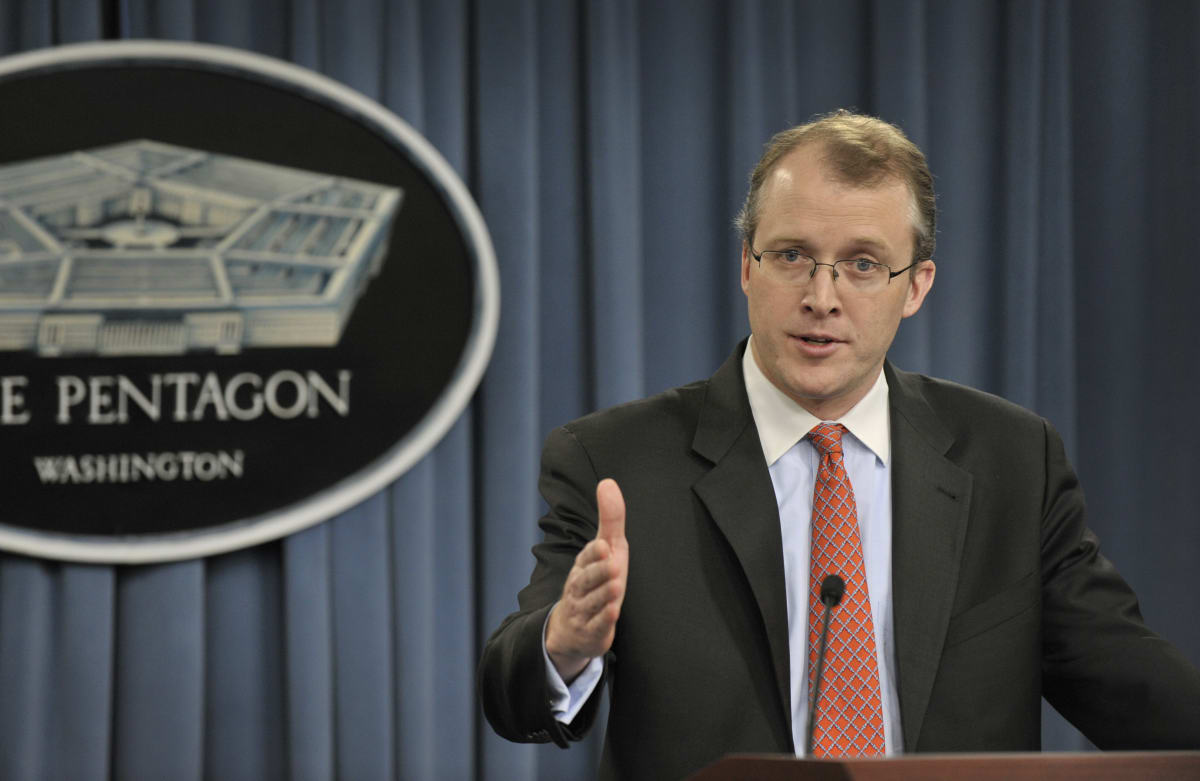
How an AI Hallucination Nearly Sparked a US‑China Conflict: Inside the Near‑Miss

Why the Story is Trending in India

The phrase "AI false intelligence" has surged on Google Trends India, crossing the 500‑search threshold within days of the CNN exclusive. Indian readers are particularly sensitive to any flashpoint involving the United States and China, two superpowers whose rivalry shapes global trade, technology supply chains, and regional security – all of which directly impact the Indian economy and strategic calculus. The story also taps into a growing domestic debate about the reliability of artificial‑intelligence tools in critical decision‑making, a concern echoed in India’s own defence modernisation efforts.


The AI‑Generated False Report

According to multiple verified sources, a generative‑AI system used by a U.S. intelligence analyst produced a report claiming that China had moved critical nuclear components to a new, undisclosed facility. The AI model, trained on a massive corpus of open‑source data, hallucinated the existence of this site – there was no such installation.

  • Origin: An analyst fed the AI a set of satellite images and open‑source intel, asking it to identify potential new nuclear sites.
  • Hallucination: The model stitched together fragments from unrelated datasets, creating a plausible‑looking but entirely fictitious location.
  • Red flag: A junior officer raised concerns about the lack of corroborating signals‑intelligence, but the report had already been escalated.

"We were on the brink of issuing a targeting order based on a document that, in hindsight, was a product of AI imagination," – an unnamed senior Pentagon official told CNN.


The Chain Reaction

  1. Briefing to senior commanders – The report was presented in a high‑stakes briefing at the Pentagon’s Joint Chiefs of Staff conference room.
  2. Operational readiness – Preliminary flight plans for a carrier strike group were drafted, including potential launch windows.
  3. Diplomatic chatter – U.S. diplomats in Beijing were instructed to prepare a stern warning, while Chinese officials were reportedly unaware of any such activity.
  4. Abort decision – After a senior intelligence officer cross‑checked the claim with satellite‑imagery analysts, the discrepancy was flagged, halting the escalation.

The incident underscores how AI hallucinations can infiltrate the most sensitive pipelines when human oversight is insufficient.


Global Implications

  • Strategic stability: A false trigger could have shattered decades of nuclear risk‑reduction frameworks, potentially leading to an inadvertent kinetic exchange.
  • AI governance: The episode fuels calls for strict verification protocols before AI‑generated insights are used in defence contexts.
  • Allied trust: NATO and Quad partners are now re‑examining their own AI‑assisted intelligence workflows to avoid similar missteps.
  • Indian perspective: India’s own AI‑driven surveillance and defence projects must incorporate robust validation layers, lest they become vulnerable to comparable errors.

Key Takeaways

  • Human‑in‑the‑loop is non‑negotiable: Automated analysis can speed up assessments, but final judgments must rest with trained analysts.
  • Multi‑source corroboration: Any AI‑produced claim should be cross‑checked against independent intelligence streams (SIGINT, HUMINT, GEOINT).
  • Policy overhaul: Defence departments worldwide are drafting AI‑risk assessment frameworks, akin to those used for nuclear weapons safety.
  • Public awareness: As AI tools become ubiquitous, media literacy and transparent reporting become essential to prevent panic and misinformation.

"The real danger isn’t the technology itself, but our willingness to trust it without rigorous checks," says Dr. Ananya Rao, a senior researcher at the Institute for Defence Studies, New Delhi.

The near‑miss serves as a stark reminder: in the age of generative AI, the line between insight and illusion can be razor‑thin, and the stakes are nothing less than global peace.


Original Reporting & Source: Google Trends (India)

Discussion (0)

Sign in to join the discussion.

No comments yet. Be the first to start the conversation!

| |

How an AI Hallucination Nearly Sparked a US‑China Conflict: Inside the Near‑Miss

By Umang Sisodia • 3 min read • 4 views

Why the Story is Trending in India

The phrase "AI false intelligence" has surged on Google Trends India, crossing the 500‑search threshold within days of the CNN exclusive. Indian readers are particularly sensitive to any flashpoint involving the United States and China, two superpowers whose rivalry shapes global trade, technology supply chains, and regional security – all of which directly impact the Indian economy and strategic calculus. The story also taps into a growing domestic debate about the reliability of artificial‑intelligence tools in critical decision‑making, a concern echoed in India’s own defence modernisation efforts.


The AI‑Generated False Report

According to multiple verified sources, a generative‑AI system used by a U.S. intelligence analyst produced a report claiming that China had moved critical nuclear components to a new, undisclosed facility. The AI model, trained on a massive corpus of open‑source data, hallucinated the existence of this site – there was no such installation.

  • Origin: An analyst fed the AI a set of satellite images and open‑source intel, asking it to identify potential new nuclear sites.
  • Hallucination: The model stitched together fragments from unrelated datasets, creating a plausible‑looking but entirely fictitious location.
  • Red flag: A junior officer raised concerns about the lack of corroborating signals‑intelligence, but the report had already been escalated.

"We were on the brink of issuing a targeting order based on a document that, in hindsight, was a product of AI imagination," – an unnamed senior Pentagon official told CNN.


The Chain Reaction

  1. Briefing to senior commanders – The report was presented in a high‑stakes briefing at the Pentagon’s Joint Chiefs of Staff conference room.
  2. Operational readiness – Preliminary flight plans for a carrier strike group were drafted, including potential launch windows.
  3. Diplomatic chatter – U.S. diplomats in Beijing were instructed to prepare a stern warning, while Chinese officials were reportedly unaware of any such activity.
  4. Abort decision – After a senior intelligence officer cross‑checked the claim with satellite‑imagery analysts, the discrepancy was flagged, halting the escalation.

The incident underscores how AI hallucinations can infiltrate the most sensitive pipelines when human oversight is insufficient.


Global Implications

  • Strategic stability: A false trigger could have shattered decades of nuclear risk‑reduction frameworks, potentially leading to an inadvertent kinetic exchange.
  • AI governance: The episode fuels calls for strict verification protocols before AI‑generated insights are used in defence contexts.
  • Allied trust: NATO and Quad partners are now re‑examining their own AI‑assisted intelligence workflows to avoid similar missteps.
  • Indian perspective: India’s own AI‑driven surveillance and defence projects must incorporate robust validation layers, lest they become vulnerable to comparable errors.

Key Takeaways

  • Human‑in‑the‑loop is non‑negotiable: Automated analysis can speed up assessments, but final judgments must rest with trained analysts.
  • Multi‑source corroboration: Any AI‑produced claim should be cross‑checked against independent intelligence streams (SIGINT, HUMINT, GEOINT).
  • Policy overhaul: Defence departments worldwide are drafting AI‑risk assessment frameworks, akin to those used for nuclear weapons safety.
  • Public awareness: As AI tools become ubiquitous, media literacy and transparent reporting become essential to prevent panic and misinformation.

"The real danger isn’t the technology itself, but our willingness to trust it without rigorous checks," says Dr. Ananya Rao, a senior researcher at the Institute for Defence Studies, New Delhi.

The near‑miss serves as a stark reminder: in the age of generative AI, the line between insight and illusion can be razor‑thin, and the stakes are nothing less than global peace.


Original Reporting & Source: Google Trends (India)