Umang Sisodia • • 3 min read • 7 views

Modi Rebuts West’s Emissions Narrative, Claiming India Fulfilled All Paris Pledges
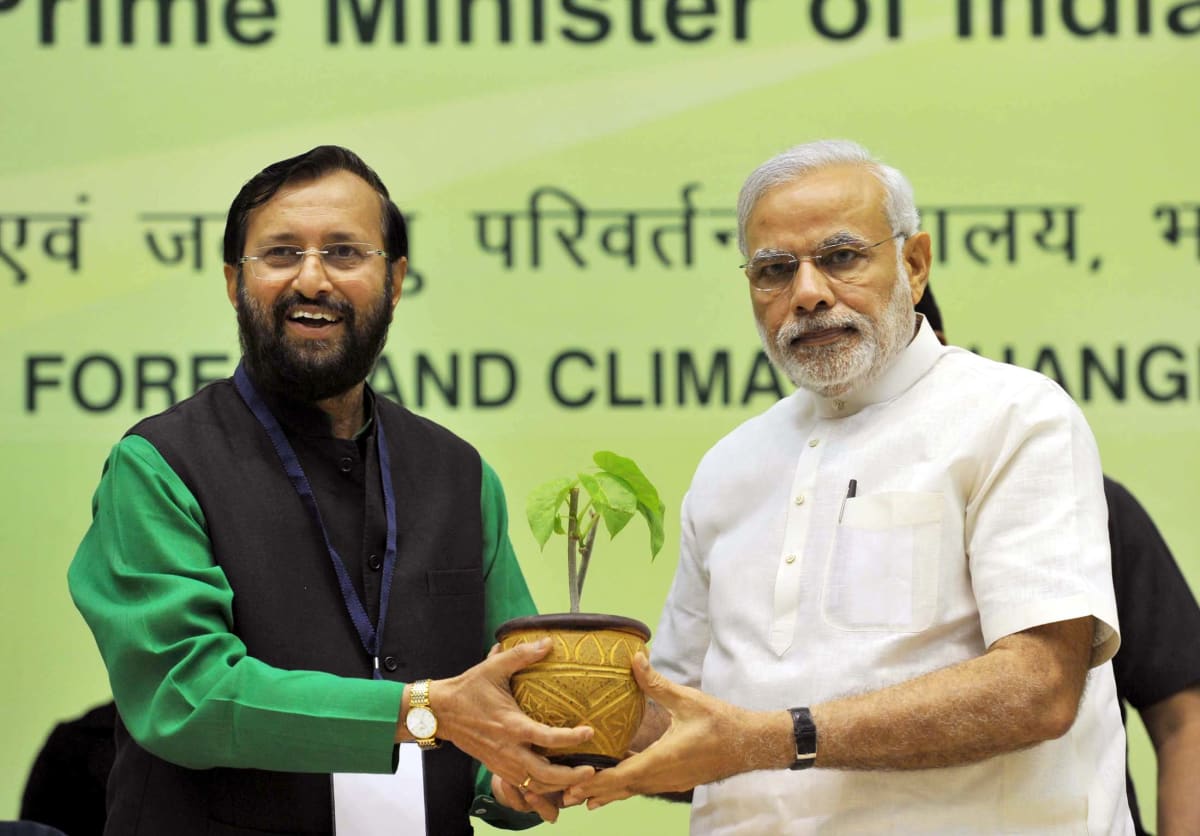
Modi Rebuts West’s Emissions Narrative, Claiming India Fulfilled All Paris Pledges

Modi’s Counter Narrative

The past week has seen a surge in searches for “india news” on Google Trends, driven largely by Prime Minister Narendra Modi’s outspoken defence of developing nations at a high‑profile climate event in New Delhi. The Hindu and The Times of India reported that Modi told the world that India has honoured every commitment under the Paris Agreement, while accusing wealthy nations of scapegoating the Global South for rising carbon emissions.

The query spiked after the PM’s remarks were broadcast live from the International Conference on “The Future of Environment and Climate Dynamics” scheduled for 19 September. The conference, organised by the Ministry of Environment, Forest and Climate Change, attracted diplomats, scientists and activists, turning the venue into a media hotspot. Google’s algorithm flagged the story as a “breaking” trend, pushing it to the top of the “India news” carousel.

What Modi Said

During his opening address, Modi asserted:

"Developing nations are being unfairly blamed for the planet’s warming. India has met all its Paris targets, and we will continue to lead a responsible, low‑carbon transition." He highlighted three concrete achievements:

  • Renewable capacity crossed 150 GW, exceeding the 2030 target.
  • Carbon intensity of GDP fell by 30 % since 2005.
  • Afforestation efforts added over 6 million hectares of forest cover.

Why It Matters

The statement resonates for three reasons:

  1. Diplomatic leverage – By positioning India as a climate‑compliant leader, New Delhi seeks greater influence in UN negotiations.
  2. Domestic politics – The narrative reinforces the government’s green credentials ahead of upcoming state elections.
  3. Economic stakes – International investors watch India’s climate policy closely, linking it to green financing and technology transfers.

Historical Context

India’s climate track record has been a point of contention since the 2015 Paris summit. While the nation pledged to achieve 40 % of its installed power capacity from non‑fossil sources by 2030, critics argued that continued coal expansion undermined the pledge. Over the last five years, however, the share of coal in total electricity generation fell from 74 % to 62 %, and ambitious solar‑and‑wind auctions have driven down tariffs to record lows.

Implications for Global Climate Diplomacy

  • Negotiation dynamics – If India’s claims hold, the bloc of developing nations could demand more lenient compliance mechanisms, shifting the balance of power.
  • Funding flows – Credibility may unlock additional climate finance from the Green Climate Fund and private investors.
  • Technology transfer – A “clean‑India” image could accelerate joint ventures in hydrogen, battery storage and carbon‑capture projects.

Looking Ahead

The conference on 19 September will feature panels on carbon budgeting, climate‑smart agriculture and renewable‑energy financing. Analysts expect Modi to use the platform to announce a $10 billion green‑bond issuance, aimed at scaling up offshore wind and green‑hydrogen pilots.

Key Takeaways

  • India asserts full compliance with Paris commitments, challenging the narrative that developing nations are the primary culprits of climate change.
  • The story’s viral spread on Google Trends reflects heightened public interest in climate policy and geopolitical framing.
  • Future impact could reshape negotiation tables, attract new finance, and cement India’s role as a climate‑leadership hub in the Global South.

Stay tuned for live updates from the conference and expert analysis on how Modi’s stance might recalibrate the global climate agenda.


Original Reporting & Source: Google Trends (India)

Discussion (0)

Sign in to join the discussion.

No comments yet. Be the first to start the conversation!

| |

Modi Rebuts West’s Emissions Narrative, Claiming India Fulfilled All Paris Pledges

By Umang Sisodia • 3 min read • 7 views

Modi’s Counter Narrative

The past week has seen a surge in searches for “india news” on Google Trends, driven largely by Prime Minister Narendra Modi’s outspoken defence of developing nations at a high‑profile climate event in New Delhi. The Hindu and The Times of India reported that Modi told the world that India has honoured every commitment under the Paris Agreement, while accusing wealthy nations of scapegoating the Global South for rising carbon emissions.

The query spiked after the PM’s remarks were broadcast live from the International Conference on “The Future of Environment and Climate Dynamics” scheduled for 19 September. The conference, organised by the Ministry of Environment, Forest and Climate Change, attracted diplomats, scientists and activists, turning the venue into a media hotspot. Google’s algorithm flagged the story as a “breaking” trend, pushing it to the top of the “India news” carousel.

What Modi Said

During his opening address, Modi asserted:

"Developing nations are being unfairly blamed for the planet’s warming. India has met all its Paris targets, and we will continue to lead a responsible, low‑carbon transition." He highlighted three concrete achievements:

  • Renewable capacity crossed 150 GW, exceeding the 2030 target.
  • Carbon intensity of GDP fell by 30 % since 2005.
  • Afforestation efforts added over 6 million hectares of forest cover.

Why It Matters

The statement resonates for three reasons:

  1. Diplomatic leverage – By positioning India as a climate‑compliant leader, New Delhi seeks greater influence in UN negotiations.
  2. Domestic politics – The narrative reinforces the government’s green credentials ahead of upcoming state elections.
  3. Economic stakes – International investors watch India’s climate policy closely, linking it to green financing and technology transfers.

Historical Context

India’s climate track record has been a point of contention since the 2015 Paris summit. While the nation pledged to achieve 40 % of its installed power capacity from non‑fossil sources by 2030, critics argued that continued coal expansion undermined the pledge. Over the last five years, however, the share of coal in total electricity generation fell from 74 % to 62 %, and ambitious solar‑and‑wind auctions have driven down tariffs to record lows.

Implications for Global Climate Diplomacy

  • Negotiation dynamics – If India’s claims hold, the bloc of developing nations could demand more lenient compliance mechanisms, shifting the balance of power.
  • Funding flows – Credibility may unlock additional climate finance from the Green Climate Fund and private investors.
  • Technology transfer – A “clean‑India” image could accelerate joint ventures in hydrogen, battery storage and carbon‑capture projects.

Looking Ahead

The conference on 19 September will feature panels on carbon budgeting, climate‑smart agriculture and renewable‑energy financing. Analysts expect Modi to use the platform to announce a $10 billion green‑bond issuance, aimed at scaling up offshore wind and green‑hydrogen pilots.

Key Takeaways

  • India asserts full compliance with Paris commitments, challenging the narrative that developing nations are the primary culprits of climate change.
  • The story’s viral spread on Google Trends reflects heightened public interest in climate policy and geopolitical framing.
  • Future impact could reshape negotiation tables, attract new finance, and cement India’s role as a climate‑leadership hub in the Global South.

Stay tuned for live updates from the conference and expert analysis on how Modi’s stance might recalibrate the global climate agenda.


Original Reporting & Source: Google Trends (India)