Umang Sisodia • • 4 min read • 8 views
Houthis Claim Missile, Drone Strikes on Riyadh: Implications for Regional Security

The Incident in Brief
On Wednesday, the Houthi movement announced that it had launched a coordinated missile and drone assault on several sensitive installations in Riyadh, Saudi Arabia’s capital. According to the statement released on the group’s official channels, the attacks targeted the Ministry of Interior, the Royal Saudi Air Force headquarters, and a key oil logistics hub on the city’s outskirts. While the Saudi defence ministry confirmed that alarms were triggered and air‑defence systems were activated, it reported no casualties and claimed that the incoming projectiles were intercepted.
Why the Story Is Trending
The claim quickly surged on Google Trends and dominated news wires for several reasons:
- Strategic timing – The strike comes just days after Saudi Arabia’s diplomatic outreach to the United States and a high‑profile summit on Yemen’s peace process, raising questions about the Houthis’ motives.
- Escalation of capabilities – Over the past year, the Houthis have demonstrated an evolving arsenal of ballistic missiles and kamikaze drones, signaling a shift from guerrilla tactics to quasi‑conventional warfare.
- Global media attention – International outlets such as Reuters, Al Jazeera, and The Quint amplified the story, feeding the algorithmic boost on platforms like Google Discover.
- Energy market jitters – Any perceived threat to Saudi infrastructure triggers immediate reactions in oil markets, prompting financial analysts to monitor the developments closely.
"We have successfully hit strategic targets in the Saudi capital, demonstrating our ability to strike deep within enemy territory," said Mohammed Al‑Bukhari, a senior Houthi spokesperson, in a televised briefing.
Historical Context of Houthy Operations
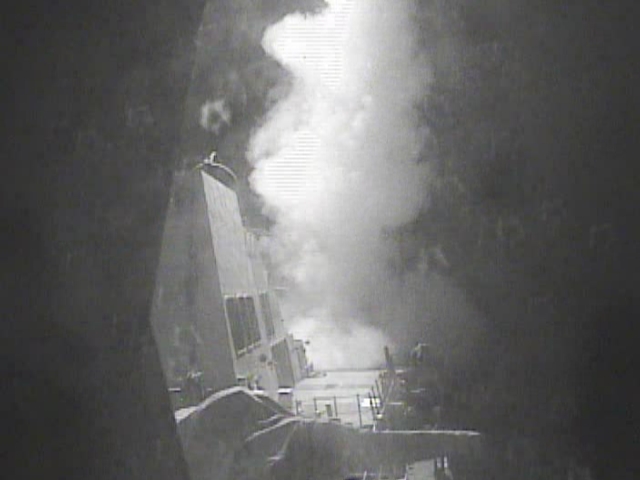 Yemen Houthi missile launch site
The Houthis, formally known as Ansar Allah, have been fighting a protracted civil war in Yemen since 2014. Their alliance with Iran has enabled access to more sophisticated weaponry, including Iran‑made Qiam‑1 ballistic missiles and Shahed‑136 loitering munitions. Over the past 18 months, the group has repeatedly claimed responsibility for cross‑border attacks on Saudi oil facilities, airports, and even the King Abdulaziz International Airport in Jeddah.
Key milestones include:
- 2022 – First confirmed missile strike on a Saudi oil refinery in Abqaiq.
- 2023 – Drone swarm attacks on Riyadh’s King Khalid International Airport.
- Early 2024 – Use of anti‑ship ballistic missiles in the Red Sea, threatening commercial shipping lanes.
These actions have forced Riyadh to invest heavily in Patriot and C‑Band air‑defence systems, yet the Houthis continue to adapt, employing low‑observable launch platforms and night‑time operations.
Potential Fallout and International Responses
Analysts warn that the latest claim could mark a new escalation phase with several possible outcomes:
- Heightened Saudi‑UAE military cooperation – Expect increased joint air‑patrols and possible retaliatory strikes across the Yemeni border.
- U.S. re‑engagement – Washington may accelerate the deployment of additional THAAD batteries to the Gulf, citing the need to protect critical infrastructure.
- Diplomatic pressure on Iran – The attacks could intensify calls for a UN‑mandated investigation into Iranian arms transfers to the Houthis.
- Energy market volatility – Even unverified claims can cause short‑term spikes in crude prices, prompting OPEC+ to issue precautionary statements.
What Experts Say
- Dr. Leila Hassan, Middle‑East security scholar, notes: “The Houthis are leveraging asymmetric warfare to punch above their weight. Their ability to project power into Riyadh is as much a psychological operation as it is a military one.”
- Colonel Ahmed Al‑Saadi, former Saudi air‑defence commander, adds: “Our systems are robust, but the sheer volume and variety of drones we’re now facing demand a doctrinal shift in how we allocate assets.”
Key Takeaways
- The Houthis claim a missile‑drone strike on high‑value targets in Riyadh, underscoring their growing reach.
- The story’s virality stems from strategic timing, advanced weaponry, and global market implications.
- Historical patterns show a steady escalation in the group’s operational sophistication.
- Future scenarios range from regional military escalation to heightened diplomatic engagement involving the U.S., Saudi Arabia, and Iran.
Staying informed on the evolving dynamics will be crucial for policymakers, investors, and anyone monitoring the fragile security balance in the Middle East.
Original Reporting & Source: India Today Top Stories

Discussion (0)
Sign in to join the discussion.
No comments yet. Be the first to start the conversation!