Umang Sisodia • • 4 min read • 6 views
Ebola in Eastern Congo: Signs of Control Amid Ongoing Humanitarian Strain (May‑Sept 2026)
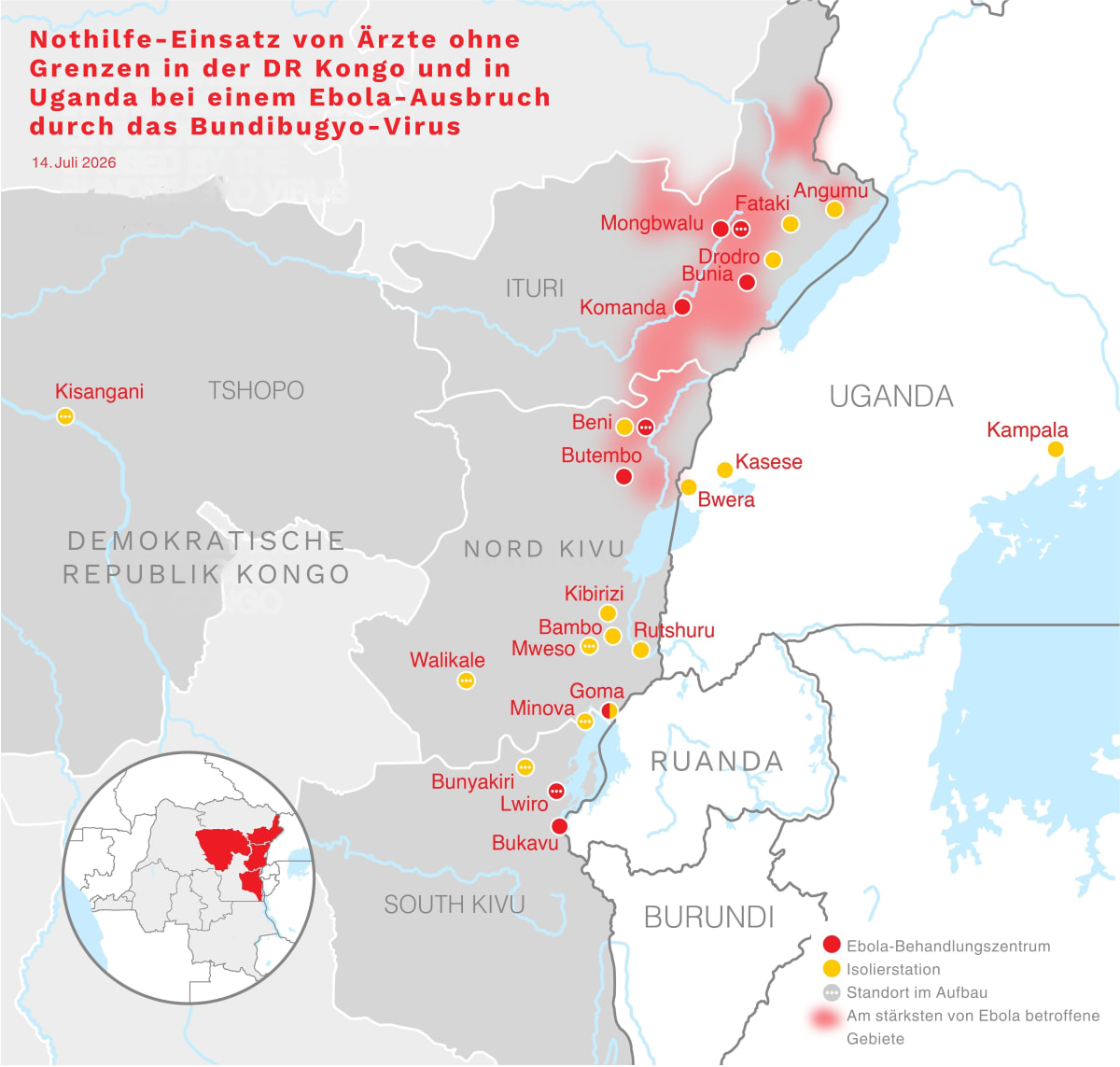
Overview of the Recent Outbreak
The Democratic Republic of Congo (DRC) has grappled with a renewed Ebola virus disease (EVD) wave since mid‑May 2026. By mid‑September, health authorities reported a downward trend in new cases across the Ituri province, offering a tentative sigh of relief. Yet, the situation remains precarious, with women and girls bearing the brunt of the crisis.
Why the Surge Captured Global Attention
- Geopolitical sensitivity – The Ituri region borders Uganda and South Sudan, raising cross‑border transmission fears.
- Humanitarian complexity – Ongoing displacement, limited health infrastructure, and armed conflict complicate response efforts.
- Media amplification – Outbreak News Today, NDTV, and UN News highlighted the outbreak, driving spikes on Google Trends and prompting swift donor mobilization.
“The latest data suggest we are moving from emergency response to containment, but the virus can re‑emerge if community trust erodes,” – Dr. Mireille Kanyama, WHO Ebola Programme Lead.
Timeline: May 15 – September 17, 2026
| Date | Key Development |
|---|---|
| May 15 | First confirmed case in Ituri’s Mahagi health zone; 3 deaths reported. |
| June 3 | WHO, IOM, and DRC Ministry of Health launch Multi‑Country EVD Preparedness and Response Plan (revised for Jun 2026‑Mar 2027). |
| July 12 | Vaccination drive reaches 78% of target high‑risk contacts; new cases drop from 32 to 14 weekly. |
| August 5 | UN Women releases report on gendered impact – 62% of infected are women, many of whom are caregivers. |
| September 10 | ReliefWeb notes a 30% reduction in case‑fatality ratio, attributing it to rapid diagnostic testing and community‑led safe burial practices. |
| Sept 17 | WHO declares “signs of control” but warns that surveillance must continue for at least 42 days post‑last case. |
Factors Driving the Decline
- Accelerated Vaccination – The rVSV‑ZEBOV vaccine was administered to over 150,000 individuals, focusing on frontline workers and household contacts.
- Enhanced Surveillance – Mobile labs equipped with GeneXpert platforms cut diagnostic turnaround from 48 hours to under 6 hours.
- Community Engagement – Local leaders and women’s groups facilitated safe burial ceremonies, reducing stigma and encouraging early reporting.
- Cross‑border Coordination – Joint monitoring with Uganda’s Ministry of Health curbed potential spill‑over.
Ongoing Challenges
- Security constraints limit access to remote villages, delaying contact tracing.
- Supply chain bottlenecks affect the steady flow of personal protective equipment (PPE) and therapeutic monoclonal antibodies.
- Gender disparities persist; women often serve as informal caregivers, increasing exposure risk.
The Human Cost for Women and Girls
- Economic impact – Market stalls run by women closed, cutting household incomes.
- Education disruption – Girls miss up to 3 months of school, heightening dropout risk.
- Psychosocial trauma – Loss of family members and fear of infection have led to a surge in anxiety disorders, as reported by UN Health Agency field officers.
Looking Ahead: What’s Next?
- Sustained surveillance – WHO recommends maintaining enhanced monitoring for at least three months after the last confirmed case.
- Scale‑up of mental health services – Integrating psychosocial support into Ebola treatment centers.
- Long‑term health system strengthening – Investing in primary healthcare and cold‑chain logistics to improve future outbreak readiness.
- Gender‑responsive programming – Targeted cash‑transfer schemes for affected women and community‑based education on infection control.
“Ebola may be receding, but the shadow it casts on vulnerable populations, especially women and girls, will linger unless we act decisively,” – Amina Bako, UN Women Field Coordinator.
Key Takeaways
- The Ituri Ebola outbreak shows early signs of containment thanks to vaccination, rapid diagnostics, and community involvement.
- Women and girls remain disproportionately affected, underscoring the need for gender‑focused interventions.
- Continued international support and robust surveillance are vital to prevent resurgence and to rebuild resilient health systems in the DRC.
For real‑time updates, follow the WHO Ebola Situation Reports and the DRC Ministry of Health’s official channels.
Original Reporting & Source: Outbreak News Today

Discussion (0)
Sign in to join the discussion.
No comments yet. Be the first to start the conversation!