Umang Sisodia • • 4 min read • 5 views
Kathal Ka Achar Craze: How the Spicy Jackfruit Pickle Is Winning India’s Kitchens
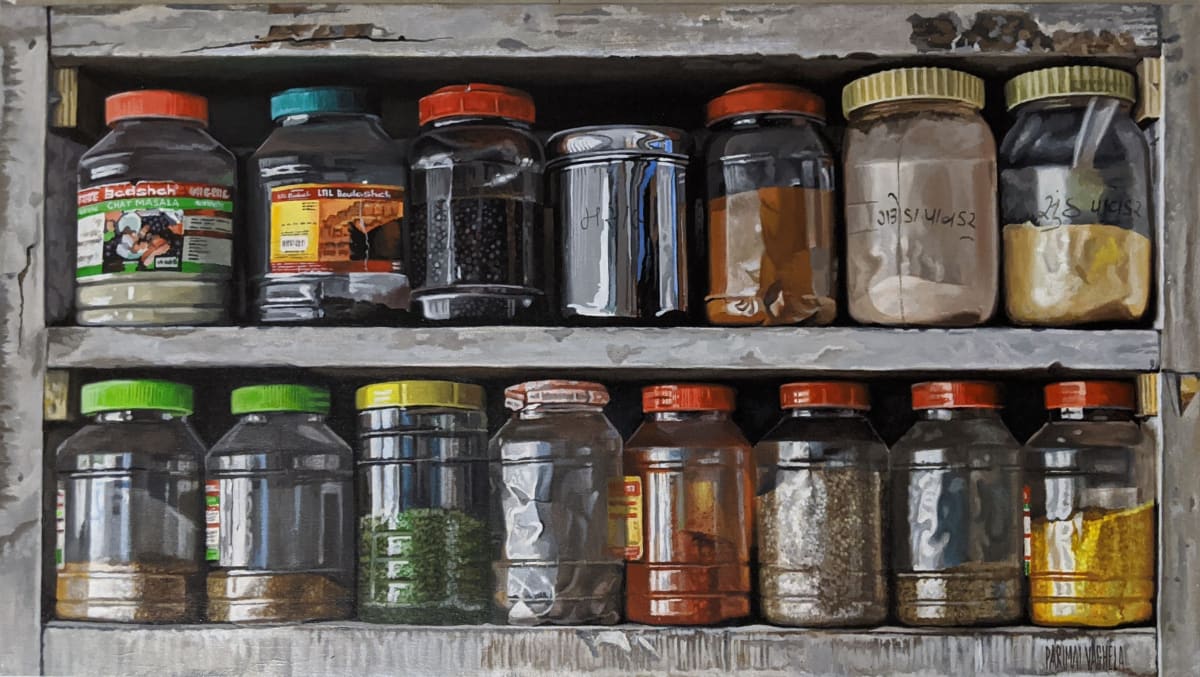
The Unexpected Rise of Kathal Ka Achar
In the last two weeks, the phrase "Kathal Ka Achar" has vaulted to the top of Google Trends in India, eclipsing even mainstream movie releases and political headlines. What started as a regional family recipe is now a national conversation, with food bloggers, celebrity chefs, and even grocery retailers racing to showcase their own versions of the tangy, spicy jackfruit pickle.
Why the Surge?
- Seasonal Availability – Fresh jackfruit (Kathal) peaks in the monsoon‑to‑post‑monsoon months, making it a timely ingredient for home cooks.
- Health Buzz – Jackfruit is rich in dietary fiber, potassium, and vitamin C. When pickled with mustard seeds, fenugreek, and a dash of lemon, it offers probiotic benefits that health influencers love to highlight.
- Social Media Challenge – A viral TikTok/Instagram reel titled “#JackfruitPickleChallenge” prompted users to share their own twists, driving millions of views and searches.
- Culinary Nostalgia – Amid a wave of fusion foods, many Indians are gravitating back to comfort flavors that remind them of home‑cooked meals.
The Classic Recipe That’s Going Viral
"A spoonful of Kathal Ka Achar with dal‑roti feels like a warm hug from grandma," – Food Blogger Riya Sharma.
Ingredients
- 1 kg fresh jackfruit, cut into 2‑cm cubes
- 2 tbsp mustard seeds (rai)
- 1 tbsp fennel seeds (saunf)
- 1 tbsp red chili powder
- 1 tbsp turmeric powder
- 2 tbsp mustard oil (or any neutral oil)
- Juice of 2 lemons
- Salt to taste
Method
- Blanch the jackfruit cubes in hot water for 5 minutes; drain and set aside.
- Roast mustard and fennel seeds until fragrant; grind coarsely.
- Heat mustard oil until it smokes, then add the ground spices, chili, turmeric, and salt. Stir for 30 seconds.
- Mix the hot spice mix with the jackfruit pieces, ensuring each cube is well‑coated.
- Add lemon juice, toss again, and transfer to a sterilised glass jar.
- Seal and let the pickle ferment at room temperature for 2‑3 days before refrigerating.
The simplicity of the recipe, combined with the bold flavor profile, makes it perfect for both novice cooks and seasoned foodies.
Cultural Context & Future Impact
Jackfruit has been a staple in Indian kitchens for centuries, especially in the eastern states of West Bengal, Odisha, and Assam. However, its pickled form remained largely a household secret. The current digital wave is doing three things:
- Commercialisation – Large FMCG brands are launching ready‑to‑eat Kathal Ka Achar packs, leveraging the trend to capture shelf space.
- Regional Fusion – Chefs are experimenting with the pickle in tacos, burgers, and even sushi rolls, signalling a broader acceptance of Indian pickles in global cuisine.
- Sustainability – Jackfruit trees are low‑maintenance and thrive on marginal land, positioning the fruit as a climate‑friendly crop. Increased demand for jackfruit pickle could incentivise farmers to expand cultivation, supporting rural economies.
Key Takeaways
- Search Spike: Over 1.2 million searches in the last 7 days, with a 320 % rise YoY.
- Social Proof: More than 500 k user‑generated videos on Instagram using #KathalKaAchar.
- Market Forecast: Indian pickle market projected to grow at 12 % CAGR, with jackfruit‑based products leading the niche segment.
As the aroma of mustard‑seeded jackfruit wafts through kitchens across the country, Kathal Ka Achar is not just a condiment—it’s a cultural moment that blends health, heritage, and modern culinary curiosity.
Stay tuned for our upcoming video tutorial and the best places to buy premium jackfruit in your city.
Original Reporting & Source: India Today Top Stories

Discussion (0)
Sign in to join the discussion.
No comments yet. Be the first to start the conversation!