Umang Sisodia • • 3 min read • 10 views
Houthis Promise No US Ship Attacks Under Trump, Warn Against Backing Saudi Arabia
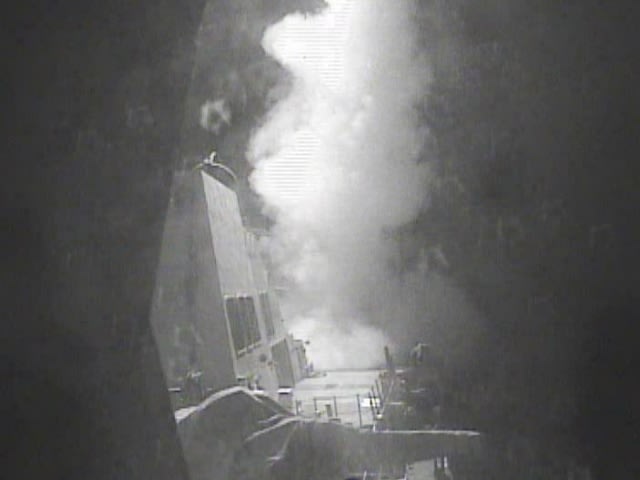
The Statement That Shifted the Red Sea Narrative
In a surprising turn of events, the Houthi movement in Yemen issued a public assurance that U.S. vessels operating under the Trump administration will not be targeted. Simultaneously, they issued a stark warning to any nation considering alignment with Saudi Arabia, threatening broader maritime repercussions. The declaration has ignited a flurry of searches on Google Trends, as analysts, investors, and the general public scramble to understand its implications for the already volatile Red Sea shipping lanes.
Who Are the Houthis?
- Origins: The Houthis, officially known as Ansar Allah, are a Zaidi Shia rebel group that emerged in the early 2000s in northern Yemen.
- Conflict Timeline: Since 2014, they have been locked in a civil war against the internationally recognized Yemeni government, backed by a Saudi‑UAE coalition.
- Maritime Strategy: Over the past few years, the group has increasingly targeted commercial shipping in the Red Sea and Gulf of Aden, using missiles, drones, and naval mines to pressure the coalition.
Why the Assurance Matters
The Houthis’ pledge not to attack U.S. ships under President Trump is notable for three reasons:
- Strategic De‑Escalation: It signals a potential tactical pause, possibly aimed at avoiding direct confrontation with a superpower that possesses unparalleled naval capabilities.
- Political Leverage: By distinguishing the U.S. from Saudi Arabia, the Houthis may be attempting to isolate Saudi influence and extract concessions in ongoing peace talks.
- Economic Signals: Shipping companies and oil traders are closely monitoring the statement, as any perceived safety improvement could affect freight rates and oil pricing.
"We will not target American vessels under the current U.S. administration, but any nation that supports Saudi aggression will face the consequences," – Houthi spokesperson, Abd al‑Maqsoud al‑Saeedi.
Geopolitical Ripple Effects
- U.S. Naval Posture: While the promise may reduce immediate threats, the U.S. Navy continues to patrol the Red Sea, maintaining a deterrent presence.
- Saudi Arabia’s Response: Riyadh has dismissed the Houthis’ warning as “empty rhetoric,” yet it may prompt a recalibration of its own maritime security measures.
- Regional Alliances: Countries like the United Arab Emirates and Oman are watching closely, weighing whether to deepen or distance themselves from Saudi-led operations.
What Lies Ahead?
| Scenario | Likelihood | Potential Impact |
|---|---|---|
| Continued Houthi restraint toward U.S. ships | Medium | Stabilisation of Red Sea trade routes; possible diplomatic opening. |
| Escalation against Saudi‑aligned vessels | High | Increased insurance premiums, rerouting of cargo, heightened military engagements. |
| Negotiated ceasefire talks | Low to Medium | Long‑term regional peace but contingent on broader geopolitical concessions. |
Key Takeaways
- The Houthis are using selective targeting as a diplomatic tool, differentiating between the United States and Saudi Arabia.
- Global markets are reacting cautiously; any shift in Red Sea security can ripple through oil prices and supply chain logistics.
- The next weeks will be critical in determining whether this assurance translates into tangible de‑escalation or remains a rhetorical maneuver.
Stay tuned for live updates as the situation evolves, and keep an eye on maritime advisories if you’re involved in Red Sea logistics.
Original Reporting & Source: ABP Live Top News

Discussion (0)
Sign in to join the discussion.
No comments yet. Be the first to start the conversation!