Umang Sisodia • • 3 min read • 5 views
Macron Endorses Canada’s EU Associate Membership as US‑Europe Rift Deepens
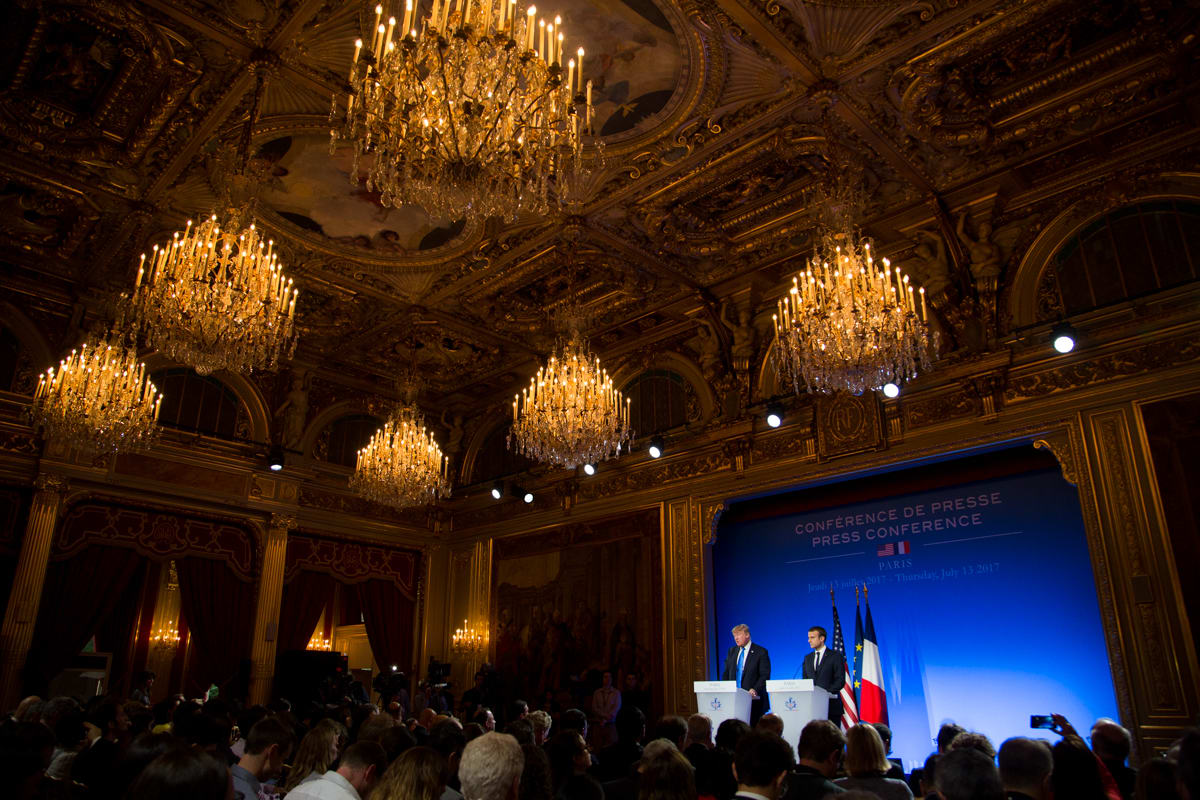
The Announcement
French President Emmanuel Macron surprised diplomats on Thursday by publicly supporting Canada’s bid to become an associate member of the European Union. In a televised press briefing in Paris, Macron said “Canada shares our democratic values and strategic interests, and it deserves a closer partnership with Europe.” The statement came as the United States and Europe grapple with growing policy divergences over trade, technology standards, and defence commitments.
Why It Matters
- Strategic alignment – An EU associate status would give Canada preferential access to the single market, reinforcing supply‑chain resilience.
- Political signaling – Macron’s endorsement signals a European willingness to diversify partnerships beyond the United States.
- Domestic debate – Both Brussels and Ottawa face internal debates about sovereignty, regulatory convergence, and the cost of deeper integration.
“Europe must look beyond the Atlantic and build bridges with like‑minded democracies,” Macron told reporters, underscoring the geopolitical shift.
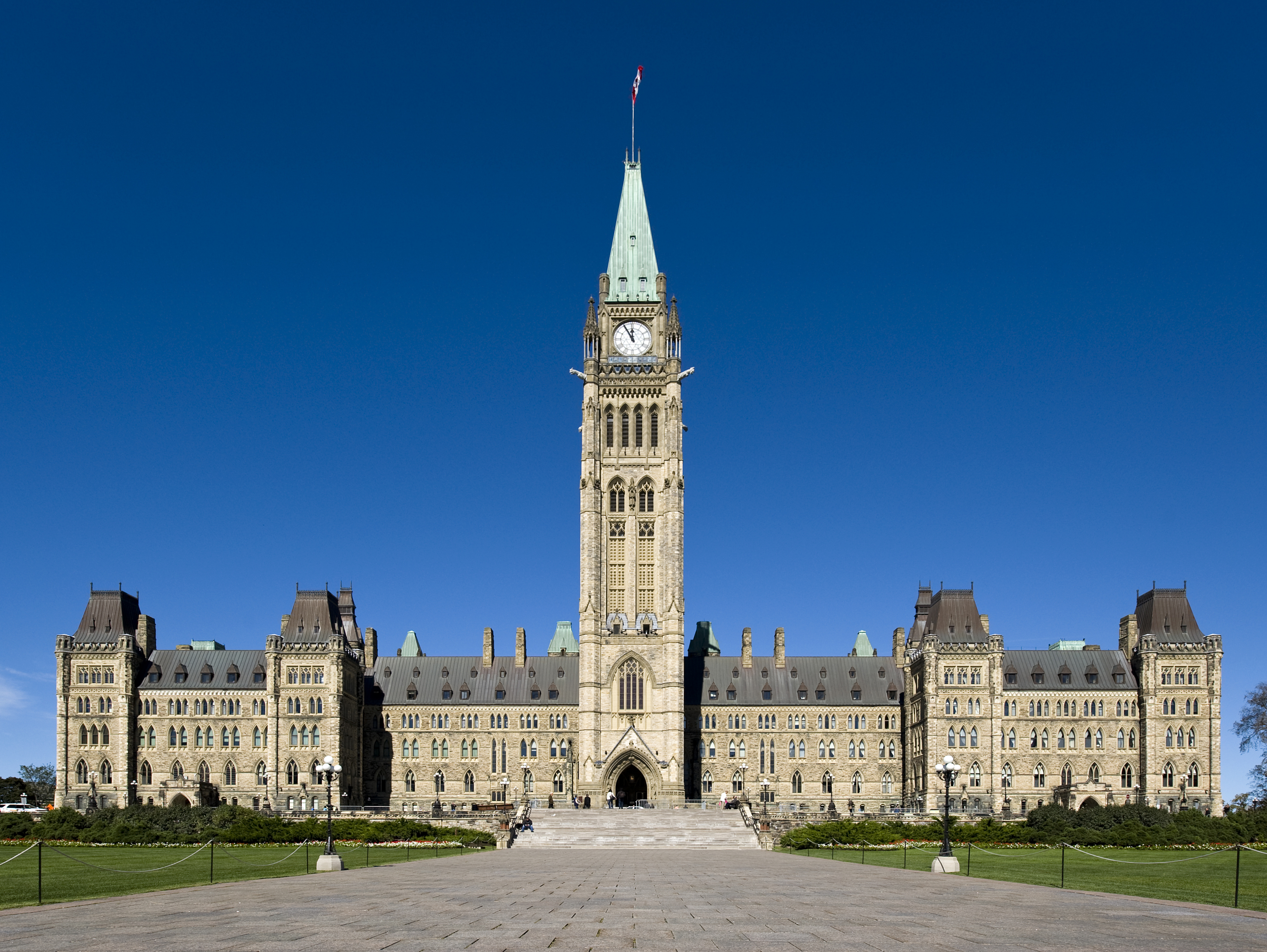 Canadian Parliament building
Geopolitical Context
Tensions between Washington and Brussels have risen over issues such as the EU’s digital‑services tax, the Nord Stream‑2 pipeline fallout, and differing approaches to China’s Belt‑and‑Road Initiative. Canada, traditionally aligned with the US, has lately taken a more independent stance—most notably by refusing to sign the AUKUS security pact and by negotiating its own trade deals with the EU.
The move also resonates with the EU’s broader “strategic autonomy” agenda championed by France, which aims to reduce reliance on the United States for critical technologies and defence capabilities.
Potential Implications
- Economic gains – Canadian firms could enjoy reduced tariffs and smoother regulatory approvals within the EU market.
- Security cooperation – An associate status could pave the way for joint NATO‑EU exercises and intelligence sharing.
- Regulatory harmonisation – Canada may need to align its standards on data protection, climate policy, and competition law with EU norms.
- US‑EU friction – Washington may view the development as a diplomatic snub, potentially prompting retaliatory trade measures.
What’s Next?
- Formal negotiations – The EU Council is expected to commission a feasibility study within the next quarter.
- Parliamentary scrutiny – Both the European Parliament and Canada’s House of Commons will hold hearings to assess public sentiment.
- Bilateral talks – A series of high‑level meetings between Macron, Canadian Prime Minister Justin Trudeau, and EU officials are slated for early 2025.
If the associate‑membership pathway materialises, it could reshape the trans‑Atlantic alliance, offering Europe a credible partner that bridges North‑American market power with European regulatory ambition.
Key Takeaway: Macron’s backing of Canada is less about a single nation’s EU accession and more about Europe’s strategic pivot toward a broader coalition of democracies as US‑Europe relations face unprecedented strain.
Original Reporting & Source: India Today Top Stories

Discussion (0)
Sign in to join the discussion.
No comments yet. Be the first to start the conversation!