Umang Sisodia • • 3 min read • 10 views
Delhi‑Varanasi Vande Bharat Sleeper: 130 km/h, 8‑Hour Journey Set to Transform Travel
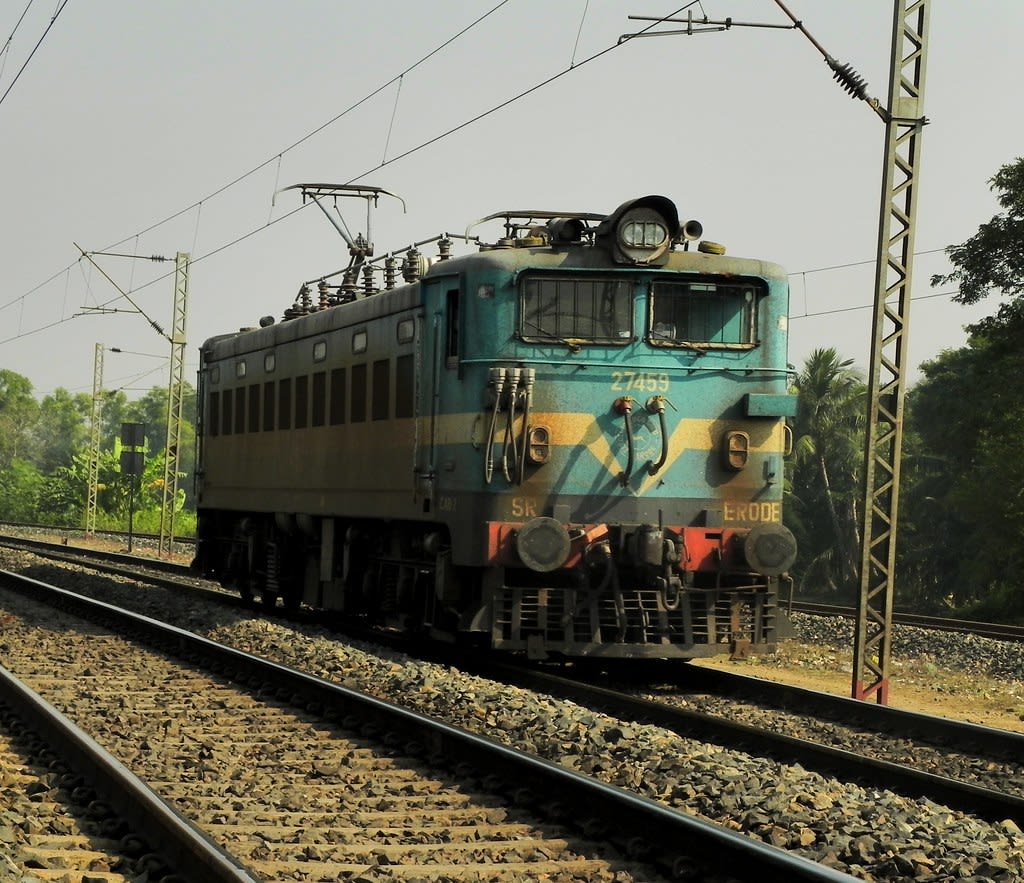
Delhi‑Varanasi Vande Bharat Sleeper: A New Era of Indian Rail
India’s rail network is on the cusp of a speed revolution. On 23 September, the Ministry of Railways unveiled the Vande Bharat Sleeper service that will link Delhi to Varanasi in just eight hours at a cruising speed of 130 km/h. The announcement instantly spiked on Google Trends, dominating the Top Stories feed of India Today and igniting discussions across social media platforms.
The Announcement That Set Google Trends Ablaze
The news broke during a high‑visibility press conference at the Railway Ministry headquarters in New Delhi. Railway Minister Ashwini Vaishnaw highlighted the train’s cutting‑edge design, emphasizing its energy‑efficient aluminium body, Wi‑Fi connectivity, and sleep‑friendly berths. A short video clip of the sleek, silver‑hued carriage rolling past the iconic India Gate went viral, racking up millions of views within hours.
"The Vande Bharat Sleeper is not just a train; it is a promise of faster, safer, and more comfortable travel for millions of Indians," – Ashwini Vaishnaw.
Technical Specs & Journey Details
| Feature | Details |
|---|---|
| Maximum Speed | 130 km/h (operational) |
| Travel Time | 8 hours (Delhi ↔ Varanasi) |
| Coach Composition | 16‑coach sleeper configuration – 8 AC 3‑tier, 4 AC 2‑tier, 2 pantry, 2 power cars |
| Key Amenities | On‑board Wi‑Fi, infotainment screens, bio‑toilets, fire‑safety systems |
| Projected Capacity | ~1,200 passengers per trip |
| Environmental Edge | 30 % lower carbon footprint vs conventional express trains |
The route will leverage the newly upgraded Delhi‑Mughalsarai corridor, which has seen track‑reinforcement and signalling upgrades over the past two years. The train will stop at Ghaziabad, Moradabad, Bareilly, Lucknow, and Ayodhya, providing a blend of speed and regional connectivity.
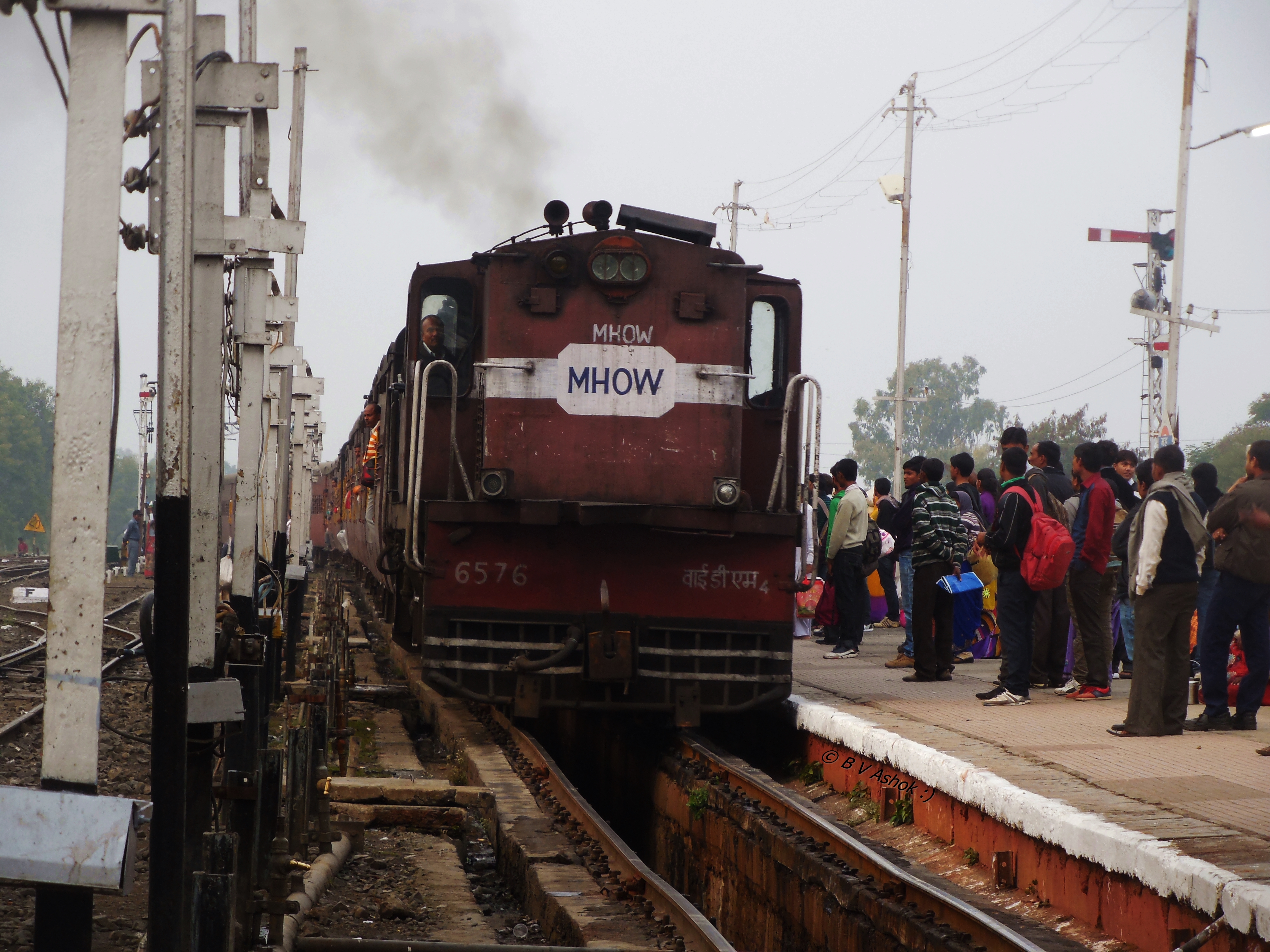 Varanasi ghats train arrival
Why the Buzz? – From Speed to Socio‑Economic Impact
- Economic Stimulus: Faster connectivity shortens business travel time, encouraging investment in Uttar Pradesh’s emerging industrial hubs.
- Tourism Boost: Varanasi, a UNESCO World Heritage city, expects a 30 % rise in domestic tourists as weekend trips become feasible.
- Job Creation: The new service will generate ~5,000 direct and indirect jobs—from onboard staff to maintenance crews.
- Environmental Gains: By shifting passengers from road and air to rail, the service could cut ~150,000 tonnes of CO₂ annually.
The public’s excitement is also fueled by a sense of national pride. The Vande Bharat series, originally rolled out in 2019, has become a symbol of ‘Make in India’ engineering, and the sleeper variant extends that narrative to the mass‑market segment.
Future Outlook – Scaling the Sleeper Network
Railway officials have hinted that the Delhi‑Varanasi corridor is a pilot for a broader sleeper‑train network stretching to Kolkata, Chennai, and Hyderabad within the next three years. If the project meets its ridership targets, the Ministry plans to increase frequency to twice daily by 2028.
Key Takeaways
- 130 km/h speed cuts Delhi‑Varanasi travel to 8 hours.
- Vande Bharat Sleeper blends comfort, technology, and sustainability.
- The launch is a catalyst for economic growth, tourism, and green mobility.
- Future expansion could see a pan‑India sleeper‑train grid.
Stay tuned for live coverage of the inaugural run, ticket booking details, and exclusive behind‑the‑scenes stories from the rail corridors.
Original Reporting & Source: India Today Top Stories

Discussion (0)
Sign in to join the discussion.
No comments yet. Be the first to start the conversation!