Umang Sisodia • • 3 min read • 5 views

Pakistan Revives US‑Iran Peace Initiative as Mohsin Naqvi Lands in Tehran
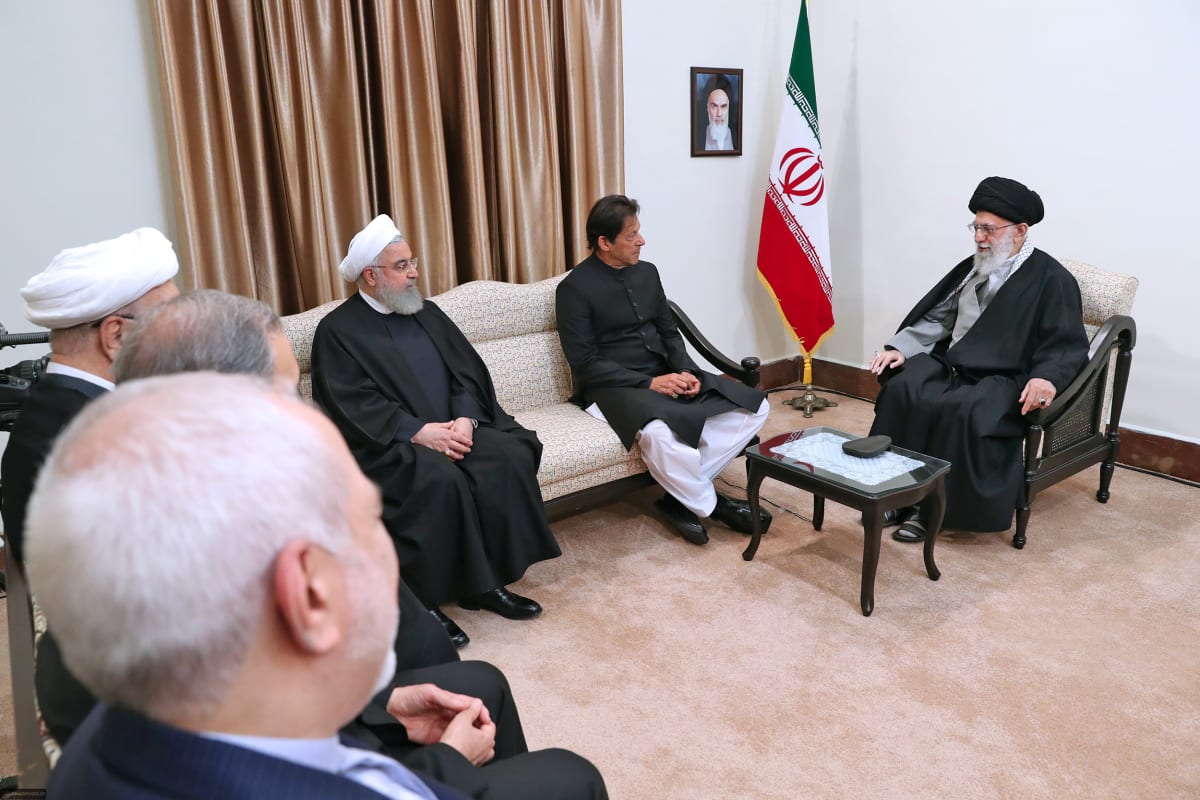
Pakistan Revives US‑Iran Peace Initiative as Mohsin Naqvi Lands in Tehran

Overview

Pakistan has re‑ignited its diplomatic overture to facilitate a US‑Iran détente, a move that gained fresh momentum after Foreign Minister Mohsin Naqvi arrived in Tehran this week. The visit, covered extensively by Indian and regional news wires, underscores Islamabad’s growing ambition to act as a neutral conduit between Washington and Tehran, especially as nuclear talks stall and regional tensions flare.

Why the Push Gained Momentum

  • Strategic geography: Pakistan shares a 900‑km border with Iran, giving it a unique stake in any de‑escalation.
  • Economic incentives: Re‑opening trade routes could unlock billions in cross‑border commerce for both nations.
  • International pressure: The United States, grappling with domestic fatigue over a protracted Iran‑nuclear standoff, is seeking regional partners to shoulder mediation duties.
  • Domestic politics: Islamabad’s civilian‑military leadership sees a diplomatic win as a counter‑balance to internal security challenges.

"Pakistan stands ready to facilitate dialogue that reduces nuclear risks and promotes regional stability," Mohsin Naqvi told reporters at the Pakistani embassy in Tehran.

Mohsin Naqvi’s Tehran Visit

Naqvi’s itinerary included a press briefing at the Pakistani embassy, a closed‑door meeting with Iranian Foreign Minister Hossein Amir‑Abdollahian, and a joint session with a senior US State Department envoy in a neutral venue in Tehran. Sources say the talks focused on three core pillars:

  1. Confidence‑building measures – such as prisoner swaps and maritime safety protocols in the Strait of Hormuz.
  2. Economic corridors – reviving the historic Silk Road trade links via road and rail.
  3. Nuclear safeguards – proposing a phased, verifiable rollback of Iran’s enriched‑uranium stockpiles.

The diplomatic choreography was meticulously staged: Pakistani officials arrived in a white‑painted diplomatic convoy, flanked by Iranian security, while US representatives entered under diplomatic plates, emphasizing a tripartite balance.
Pakistani foreign ministry meeting Tehran Pakistani foreign ministry meeting Tehran

Regional Implications

The renewed push could reshape South‑Asian geopolitics in several ways:

  • Afghan stability: A calmer Iran‑US relationship may reduce Tehran’s influence over the Taliban, opening space for Afghan reconciliation.
  • Energy markets: De‑escalation could stabilise oil prices, benefitting Pakistan’s import‑heavy economy.
  • China’s Belt‑and‑Road: Beijing watches closely, as any shift may affect its CPEC (China‑Pakistan Economic Corridor) logistics that intersect with Iranian ports.

Critics, however, warn that Pakistan’s involvement might strain its ties with Saudi Arabia, a staunch US ally wary of Tehran’s regional ambitions.

What Lies Ahead?

  • Follow‑up talks: Naqvi is expected to return to Islamabad for a high‑level briefing, after which a joint US‑Pakistan‑Iran working group could be formalised.
  • Parliamentary oversight: Pakistan’s National Assembly may convene a special committee to monitor the peace‑push’s progress and ensure transparency.
  • Public sentiment: Opinion polls suggest a majority of Pakistanis favour a diplomatic resolution, viewing it as a pathway to economic uplift.

Key Takeaways

  • Pakistan is positioning itself as a neutral mediator in the US‑Iran standoff.
  • Mohsin Naqvi’s Tehran visit marks a tangible diplomatic step after months of back‑channel talks.
  • The outcome could re‑configure regional trade, security, and energy dynamics.
  • Success hinges on coordinated effort among Washington, Tehran, and Islamabad, with careful navigation of allied sensitivities.

The world will be watching how this South‑Asian bridge‑builder balances great‑power expectations while charting a path toward lasting peace.


Original Reporting & Source: India Today Top Stories

Discussion (0)

Sign in to join the discussion.

No comments yet. Be the first to start the conversation!

| |

Pakistan Revives US‑Iran Peace Initiative as Mohsin Naqvi Lands in Tehran

By Umang Sisodia • 3 min read • 5 views

Overview

Pakistan has re‑ignited its diplomatic overture to facilitate a US‑Iran détente, a move that gained fresh momentum after Foreign Minister Mohsin Naqvi arrived in Tehran this week. The visit, covered extensively by Indian and regional news wires, underscores Islamabad’s growing ambition to act as a neutral conduit between Washington and Tehran, especially as nuclear talks stall and regional tensions flare.

Why the Push Gained Momentum

  • Strategic geography: Pakistan shares a 900‑km border with Iran, giving it a unique stake in any de‑escalation.
  • Economic incentives: Re‑opening trade routes could unlock billions in cross‑border commerce for both nations.
  • International pressure: The United States, grappling with domestic fatigue over a protracted Iran‑nuclear standoff, is seeking regional partners to shoulder mediation duties.
  • Domestic politics: Islamabad’s civilian‑military leadership sees a diplomatic win as a counter‑balance to internal security challenges.

"Pakistan stands ready to facilitate dialogue that reduces nuclear risks and promotes regional stability," Mohsin Naqvi told reporters at the Pakistani embassy in Tehran.

Mohsin Naqvi’s Tehran Visit

Naqvi’s itinerary included a press briefing at the Pakistani embassy, a closed‑door meeting with Iranian Foreign Minister Hossein Amir‑Abdollahian, and a joint session with a senior US State Department envoy in a neutral venue in Tehran. Sources say the talks focused on three core pillars:

  1. Confidence‑building measures – such as prisoner swaps and maritime safety protocols in the Strait of Hormuz.
  2. Economic corridors – reviving the historic Silk Road trade links via road and rail.
  3. Nuclear safeguards – proposing a phased, verifiable rollback of Iran’s enriched‑uranium stockpiles.

The diplomatic choreography was meticulously staged: Pakistani officials arrived in a white‑painted diplomatic convoy, flanked by Iranian security, while US representatives entered under diplomatic plates, emphasizing a tripartite balance.

Pakistani foreign ministry meeting Tehran Pakistani foreign ministry meeting Tehran

Regional Implications

The renewed push could reshape South‑Asian geopolitics in several ways:

  • Afghan stability: A calmer Iran‑US relationship may reduce Tehran’s influence over the Taliban, opening space for Afghan reconciliation.
  • Energy markets: De‑escalation could stabilise oil prices, benefitting Pakistan’s import‑heavy economy.
  • China’s Belt‑and‑Road: Beijing watches closely, as any shift may affect its CPEC (China‑Pakistan Economic Corridor) logistics that intersect with Iranian ports.

Critics, however, warn that Pakistan’s involvement might strain its ties with Saudi Arabia, a staunch US ally wary of Tehran’s regional ambitions.

What Lies Ahead?

  • Follow‑up talks: Naqvi is expected to return to Islamabad for a high‑level briefing, after which a joint US‑Pakistan‑Iran working group could be formalised.
  • Parliamentary oversight: Pakistan’s National Assembly may convene a special committee to monitor the peace‑push’s progress and ensure transparency.
  • Public sentiment: Opinion polls suggest a majority of Pakistanis favour a diplomatic resolution, viewing it as a pathway to economic uplift.

Key Takeaways

  • Pakistan is positioning itself as a neutral mediator in the US‑Iran standoff.
  • Mohsin Naqvi’s Tehran visit marks a tangible diplomatic step after months of back‑channel talks.
  • The outcome could re‑configure regional trade, security, and energy dynamics.
  • Success hinges on coordinated effort among Washington, Tehran, and Islamabad, with careful navigation of allied sensitivities.

The world will be watching how this South‑Asian bridge‑builder balances great‑power expectations while charting a path toward lasting peace.


Original Reporting & Source: India Today Top Stories