Umang Sisodia • • 3 min read • 4 views

Yemen Seeks US Military Backing Against Houthis; Trump Administration Holds the Line
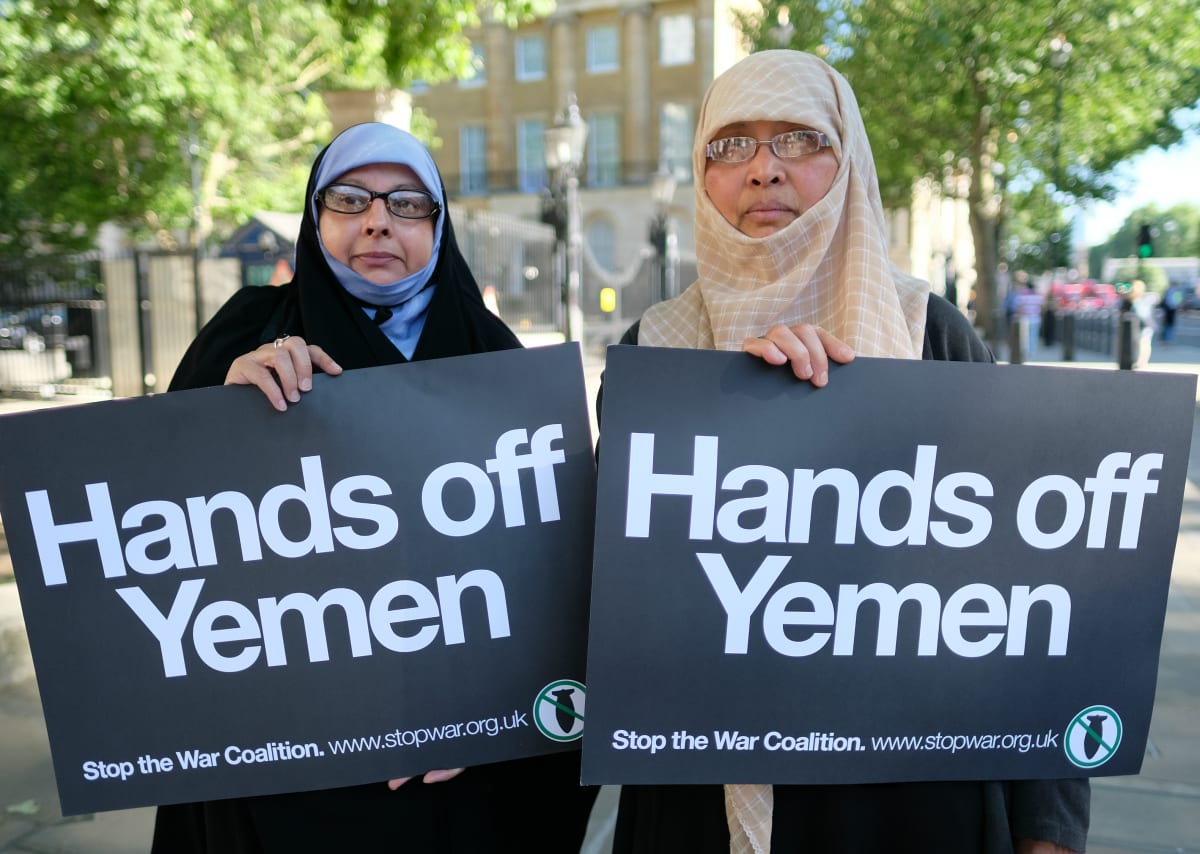
Yemen Seeks US Military Backing Against Houthis; Trump Administration Holds the Line

The Plea from Yemen's Capital

Yemen’s embattled government has urged Washington to step up military assistance as the Houthi rebels intensify attacks across the country. The request, delivered in a high‑profile diplomatic note, comes at a time when the conflict has already claimed over 250,000 lives and displaced millions.

Why the Request Is Gaining Traction

  • Humanitarian catastrophe: Hospitals are collapsing, food supplies are dwindling, and cholera cases are surging.
  • Strategic Red Sea stakes: The Houthis have threatened commercial shipping lanes, prompting global concerns over energy security.
  • U.S. political calculus: The Biden administration’s recent pivot toward a more restrained Middle‑East footprint has left regional allies questioning America’s reliability.

“Our people cannot survive another year of siege. We need decisive support, not diplomatic platitudes,” – Yemeni Foreign Minister Abdullah al‑Ali.

A Brief History of the Conflict

The Yemeni civil war erupted in 2014 when the Iran‑aligned Houthi movement seized the capital, Sana’a, forcing President Abdrabbuh Mansur Hadi to flee. A Saudi‑led coalition intervened in 2015, providing airpower and ground troops. Over the past decade, the war has morphed into a proxy battleground, with the United States supplying intelligence, logistics, and occasional arms to the coalition.

The Trump Administration’s Legacy

During Donald Trump’s tenure (2017‑2021), the U.S. escalated arms sales to Saudi Arabia and the United Arab Emirates, while also authorising limited drone strikes against Houthi maritime threats. However, the administration stopped short of committing ground troops or large‑scale air campaigns, citing the risk of a broader regional quagmire.

Current U.S. Stance Under Biden

The Biden administration has reduced active arms shipments to the Saudi coalition and called for a cease‑fire, yet it continues to provide intelligence and limited logistical support. In response to Yemen’s latest appeal, senior officials have reiterated a cautious approach, emphasizing diplomatic avenues over direct military involvement.

US State Department press conference US State Department press conference

Potential Implications of a U.S. Military Boost

  • Escalation risk: Direct involvement could widen the conflict, drawing Iran and other regional actors into a more overt confrontation.
  • Humanitarian impact: While increased firepower might blunt Houthi advances, civilian casualties could rise, undermining relief efforts.
  • Geopolitical balance: A firmer U.S. stance may reassure Gulf allies but could strain relations with Russia and China, who are expanding their influence in the Red Sea.

Key Takeaways

  • Yemen’s request reflects desperation amid a deepening humanitarian crisis.
  • Washington remains wary of repeating the costly entanglements of past Middle‑East wars.
  • Future scenarios hinge on diplomatic breakthroughs, UN‑brokered cease‑fire talks, and the geopolitical calculations of major powers.

Looking Ahead

Analysts warn that without a robust diplomatic framework, any incremental military aid could become a slippery slope toward deeper U.S. involvement. The next few weeks will be crucial as the United Nations convenes an emergency session on Yemen, and as Washington weighs the political cost of either action or inaction.

The world will be watching whether the United States chooses to re‑engage militarily or continues to prioritize a political solution to one of the 21st century’s most protracted conflicts.


Original Reporting & Source: India Today Top Stories

Discussion (0)

Sign in to join the discussion.

No comments yet. Be the first to start the conversation!

| |

Yemen Seeks US Military Backing Against Houthis; Trump Administration Holds the Line

By Umang Sisodia • 3 min read • 4 views

The Plea from Yemen's Capital

Yemen’s embattled government has urged Washington to step up military assistance as the Houthi rebels intensify attacks across the country. The request, delivered in a high‑profile diplomatic note, comes at a time when the conflict has already claimed over 250,000 lives and displaced millions.

Why the Request Is Gaining Traction

  • Humanitarian catastrophe: Hospitals are collapsing, food supplies are dwindling, and cholera cases are surging.
  • Strategic Red Sea stakes: The Houthis have threatened commercial shipping lanes, prompting global concerns over energy security.
  • U.S. political calculus: The Biden administration’s recent pivot toward a more restrained Middle‑East footprint has left regional allies questioning America’s reliability.

“Our people cannot survive another year of siege. We need decisive support, not diplomatic platitudes,” – Yemeni Foreign Minister Abdullah al‑Ali.

A Brief History of the Conflict

The Yemeni civil war erupted in 2014 when the Iran‑aligned Houthi movement seized the capital, Sana’a, forcing President Abdrabbuh Mansur Hadi to flee. A Saudi‑led coalition intervened in 2015, providing airpower and ground troops. Over the past decade, the war has morphed into a proxy battleground, with the United States supplying intelligence, logistics, and occasional arms to the coalition.

The Trump Administration’s Legacy

During Donald Trump’s tenure (2017‑2021), the U.S. escalated arms sales to Saudi Arabia and the United Arab Emirates, while also authorising limited drone strikes against Houthi maritime threats. However, the administration stopped short of committing ground troops or large‑scale air campaigns, citing the risk of a broader regional quagmire.

Current U.S. Stance Under Biden

The Biden administration has reduced active arms shipments to the Saudi coalition and called for a cease‑fire, yet it continues to provide intelligence and limited logistical support. In response to Yemen’s latest appeal, senior officials have reiterated a cautious approach, emphasizing diplomatic avenues over direct military involvement.

US State Department press conference US State Department press conference

Potential Implications of a U.S. Military Boost

  • Escalation risk: Direct involvement could widen the conflict, drawing Iran and other regional actors into a more overt confrontation.
  • Humanitarian impact: While increased firepower might blunt Houthi advances, civilian casualties could rise, undermining relief efforts.
  • Geopolitical balance: A firmer U.S. stance may reassure Gulf allies but could strain relations with Russia and China, who are expanding their influence in the Red Sea.

Key Takeaways

  • Yemen’s request reflects desperation amid a deepening humanitarian crisis.
  • Washington remains wary of repeating the costly entanglements of past Middle‑East wars.
  • Future scenarios hinge on diplomatic breakthroughs, UN‑brokered cease‑fire talks, and the geopolitical calculations of major powers.

Looking Ahead

Analysts warn that without a robust diplomatic framework, any incremental military aid could become a slippery slope toward deeper U.S. involvement. The next few weeks will be crucial as the United Nations convenes an emergency session on Yemen, and as Washington weighs the political cost of either action or inaction.

The world will be watching whether the United States chooses to re‑engage militarily or continues to prioritize a political solution to one of the 21st century’s most protracted conflicts.


Original Reporting & Source: India Today Top Stories