Umang Sisodia • • 4 min read • 11 views

V4 Nations Back India’s Bid for Permanent UN Security Council Seat, Says Slovak FM
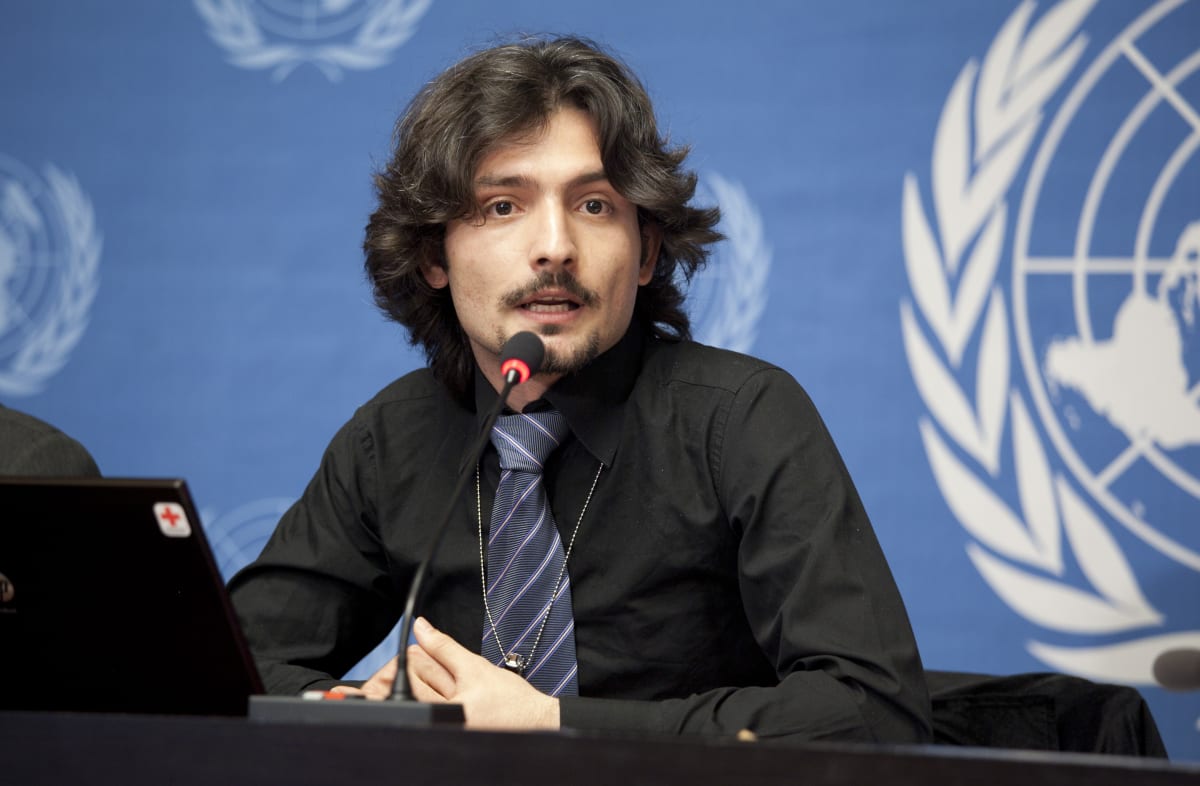
V4 Nations Back India’s Bid for Permanent UN Security Council Seat, Says Slovak FM

Why the Story Is Trending

India’s push for a permanent seat on the United Nations Security Council (UNSC) has resurfaced on Google Trends after Slovak Foreign Minister Miroslav Boháč voiced support on behalf of the V4 bloc (Poland, Czech Republic, Slovakia, Hungary). The comment came during a joint press briefing in New Delhi, where the V4 ministers highlighted India’s growing economic clout, democratic credentials, and strategic relevance in the Indo‑Pacific. The headline quickly spread across Indian news wires, sparking debates on diplomatic realignments, the future of the UN’s power structure, and the broader aspirations of emerging economies.


Background: India’s Quest for a Permanent Seat

Since the 1990s, successive Indian governments have lobbied for a permanent seat at the UNSC, arguing that the current five‑power structure (U.S., U.K., France, Russia, China) no longer reflects 21st‑century realities. India’s case rests on three pillars:

  • Economic Weight: Over $3 trillion GDP, the world’s third‑largest economy.
  • Democratic Credibility: The world’s largest democracy with a robust parliamentary system.
  • Strategic Role: A key player in counter‑terrorism, climate negotiations, and Indo‑Pacific security.

Despite strong support from many Global South nations, the bid has faced resistance from existing permanent members, especially China, which views India as a regional rival.


The V4 Endorsement

During the press conference, Minister Boháč stated:

"The V4 group recognises India as an emerging great power and fully supports its aspiration for a permanent seat at the Security Council. This aligns with our shared vision of a more inclusive, representative UN."

The V4 endorsement is significant for three reasons:

  1. European Credibility: While the EU as a whole remains divided, a unified V4 stance adds weight to India’s diplomatic outreach in Europe.
  2. Balancing China: Slovakia and its partners have been navigating a delicate balance between EU‑China ties and their own strategic interests; supporting India signals a subtle shift.
  3. Regional Cooperation: The V4 countries have been deepening ties with India through trade, technology, and defence cooperation, creating a natural platform for political backing.
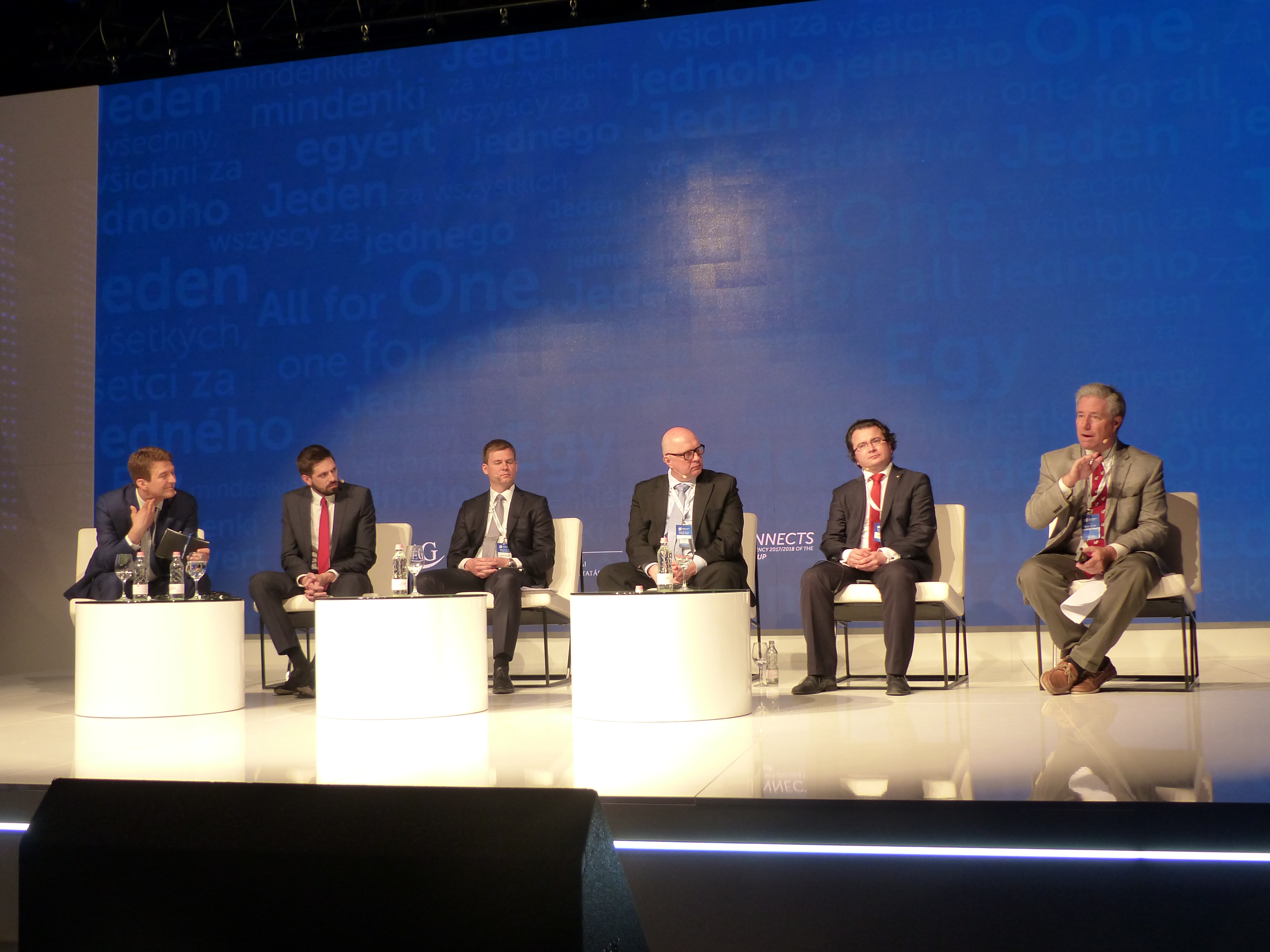
V4 foreign ministers group photo V4 foreign ministers group photo


Geopolitical Implications

The endorsement could reshape several diplomatic equations:

  • UN Reform Momentum: A V4‑India coalition may catalyse broader reforms, encouraging other mid‑size powers (e.g., Brazil, South Africa) to join the call.
  • India‑EU Relations: A clear European nod may accelerate negotiations on a free‑trade agreement and defence partnerships.
  • China‑India Dynamics: While Beijing is likely to oppose the move, a growing coalition could force China to reassess its diplomatic strategy in multilateral forums.

Potential Scenarios

  • Optimistic: A revised UN charter expands permanent membership to include India, Japan, Brazil, and an African nation, diluting the veto power of the current P5.
  • Pessimistic: Stalemate persists, and the issue becomes a bargaining chip in broader geopolitical negotiations, delaying any reform for years.

What Lies Ahead?

India’s diplomatic corps is already engaging with other regional blocs—ASEAN, the African Union, and the Gulf Cooperation Council—to build a coalition of support. Parallelly, internal reforms, such as modernising the Indian foreign service and increasing contributions to UN peacekeeping, are being fast‑tracked to strengthen its candidacy.

Key actions to watch:

  • High‑level summits: Expect a V4‑India joint statement at the upcoming UN General Assembly.
  • Legislative moves: The Indian Parliament may introduce a resolution urging UN reform.
  • Strategic partnerships: Expanded defence and technology agreements with European nations could serve as diplomatic goodwill.

Key Takeaways

  • The V4’s public support marks the first coordinated European endorsement of India’s permanent UNSC seat.
  • India’s bid is gaining traction not just in the Global South but also among mid‑size European powers.
  • The outcome will hinge on broader UN reform negotiations, where diplomatic coalitions like V4‑India could be decisive.

Stay tuned as the story unfolds; the next UN General Assembly could become the arena where India’s aspirations are either cemented or challenged.


Original Reporting & Source: India Today Top Stories

Discussion (0)

Sign in to join the discussion.

No comments yet. Be the first to start the conversation!

| |

V4 Nations Back India’s Bid for Permanent UN Security Council Seat, Says Slovak FM

By Umang Sisodia • 4 min read • 11 views

Why the Story Is Trending

India’s push for a permanent seat on the United Nations Security Council (UNSC) has resurfaced on Google Trends after Slovak Foreign Minister Miroslav Boháč voiced support on behalf of the V4 bloc (Poland, Czech Republic, Slovakia, Hungary). The comment came during a joint press briefing in New Delhi, where the V4 ministers highlighted India’s growing economic clout, democratic credentials, and strategic relevance in the Indo‑Pacific. The headline quickly spread across Indian news wires, sparking debates on diplomatic realignments, the future of the UN’s power structure, and the broader aspirations of emerging economies.


Background: India’s Quest for a Permanent Seat

Since the 1990s, successive Indian governments have lobbied for a permanent seat at the UNSC, arguing that the current five‑power structure (U.S., U.K., France, Russia, China) no longer reflects 21st‑century realities. India’s case rests on three pillars:

  • Economic Weight: Over $3 trillion GDP, the world’s third‑largest economy.
  • Democratic Credibility: The world’s largest democracy with a robust parliamentary system.
  • Strategic Role: A key player in counter‑terrorism, climate negotiations, and Indo‑Pacific security.

Despite strong support from many Global South nations, the bid has faced resistance from existing permanent members, especially China, which views India as a regional rival.


The V4 Endorsement

During the press conference, Minister Boháč stated:

"The V4 group recognises India as an emerging great power and fully supports its aspiration for a permanent seat at the Security Council. This aligns with our shared vision of a more inclusive, representative UN."

The V4 endorsement is significant for three reasons:

  1. European Credibility: While the EU as a whole remains divided, a unified V4 stance adds weight to India’s diplomatic outreach in Europe.
  2. Balancing China: Slovakia and its partners have been navigating a delicate balance between EU‑China ties and their own strategic interests; supporting India signals a subtle shift.
  3. Regional Cooperation: The V4 countries have been deepening ties with India through trade, technology, and defence cooperation, creating a natural platform for political backing.

V4 foreign ministers group photo V4 foreign ministers group photo


Geopolitical Implications

The endorsement could reshape several diplomatic equations:

  • UN Reform Momentum: A V4‑India coalition may catalyse broader reforms, encouraging other mid‑size powers (e.g., Brazil, South Africa) to join the call.
  • India‑EU Relations: A clear European nod may accelerate negotiations on a free‑trade agreement and defence partnerships.
  • China‑India Dynamics: While Beijing is likely to oppose the move, a growing coalition could force China to reassess its diplomatic strategy in multilateral forums.

Potential Scenarios

  • Optimistic: A revised UN charter expands permanent membership to include India, Japan, Brazil, and an African nation, diluting the veto power of the current P5.
  • Pessimistic: Stalemate persists, and the issue becomes a bargaining chip in broader geopolitical negotiations, delaying any reform for years.

What Lies Ahead?

India’s diplomatic corps is already engaging with other regional blocs—ASEAN, the African Union, and the Gulf Cooperation Council—to build a coalition of support. Parallelly, internal reforms, such as modernising the Indian foreign service and increasing contributions to UN peacekeeping, are being fast‑tracked to strengthen its candidacy.

Key actions to watch:

  • High‑level summits: Expect a V4‑India joint statement at the upcoming UN General Assembly.
  • Legislative moves: The Indian Parliament may introduce a resolution urging UN reform.
  • Strategic partnerships: Expanded defence and technology agreements with European nations could serve as diplomatic goodwill.

Key Takeaways

  • The V4’s public support marks the first coordinated European endorsement of India’s permanent UNSC seat.
  • India’s bid is gaining traction not just in the Global South but also among mid‑size European powers.
  • The outcome will hinge on broader UN reform negotiations, where diplomatic coalitions like V4‑India could be decisive.

Stay tuned as the story unfolds; the next UN General Assembly could become the arena where India’s aspirations are either cemented or challenged.


Original Reporting & Source: India Today Top Stories