Umang Sisodia • • 3 min read • 4 views

Paramount Nears Warner Bros Takeover After Settling State and Union Lawsuits
Paramount Nears Warner Bros Takeover After Settling State and Union Lawsuits

Paramount's Strategic Leap

The media landscape is on the brink of a historic reshuffle as Paramount Global edges closer to acquiring Warner Bros. Discovery. The deal, valued at roughly $30 billion, has accelerated after the studios settled a series of state‑level and union lawsuits that threatened to stall the transaction.

Since the announcement in early 2024, the merger has faced scrutiny from the California Public Utilities Commission, the National Labor Relations Board, and several guilds representing writers, actors, and crew. The lawsuits centered on concerns that the combined entity could wield excessive bargaining power, potentially undermining fair wages and competition.

Why the Settlement Matters

By reaching settlements with the California Labor Commission and the Screen Actors Guild‑American Federation of Television and Radio Artists (SAG‑AFTRA), Paramount has removed two of the most formidable roadblocks. The agreements include:

  • A 10‑year wage‑parity clause ensuring baseline compensation for union members.
  • Commitments to maintain regional production hubs to prevent job migration.
  • A transparent reporting framework for content‑distribution revenues.

These concessions not only placate regulators but also signal a willingness to protect creative talent—a narrative that resonates with both investors and the public.
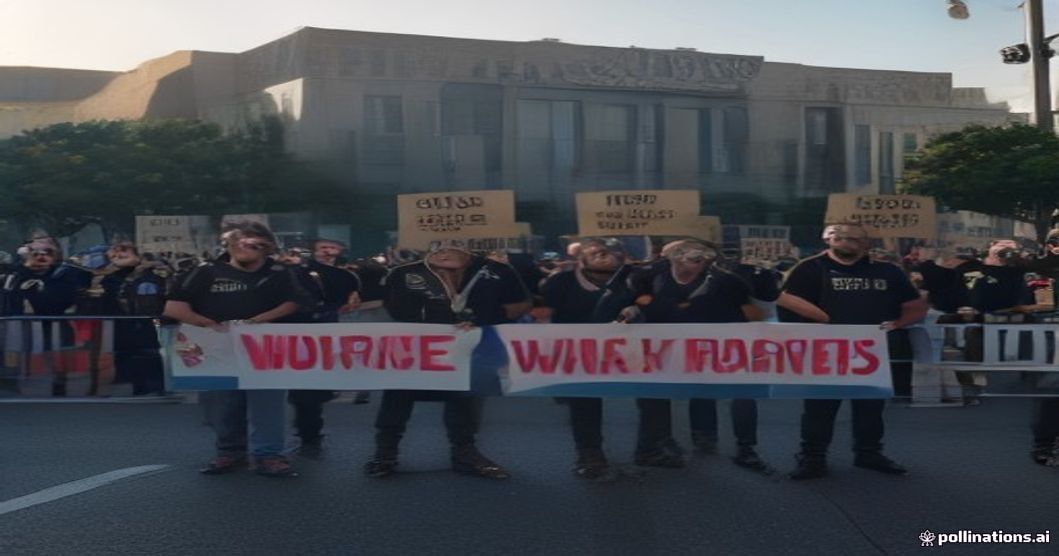
union protest outside Warner Bros. studio union protest outside Warner Bros. studio

Industry Ripple Effects

Content Power Play

The merger would create a media behemoth that rivals Netflix, Disney, and Amazon in both library depth and global reach. With Warner’s premium franchises—Harry Potter, DC Universe, and HBO Max—combined with Paramount’s Star Trek and Mission: Impossible slate, the new conglomerate could command unprecedented cross‑platform synergies.

Regulatory Landscape

Even after the settlements, antitrust watchdogs in the U.S. and Europe are expected to conduct a second‑level review. Analysts predict that the deal’s fate will hinge on:

  • Market concentration metrics (e.g., Herfindahl‑Hirschman Index).
  • Consumer impact assessments regarding subscription pricing.
  • International clearance from bodies like the European Commission.

“A responsible merger must balance scale with stewardship of creative ecosystems,” said Maria Giese, senior counsel at the Entertainment Industry Labor Alliance.

What Lies Ahead

If the acquisition clears the remaining hurdles, the combined entity is slated to launch a unified streaming platform by mid‑2025, leveraging Warner’s technology stack and Paramount’s advertising expertise. This could reshape subscription models, prompting competitors to double‑down on original content and regional partnerships.

Key Takeaways

  • Settlements remove immediate legal barriers, paving the way for a smoother regulatory review.
  • The merged catalog will control over 30,000 titles, offering a competitive edge in the streaming wars.
  • Future scrutiny will focus on market dominance, pricing power, and labor standards.

The Paramount‑Warner saga underscores a broader industry truth: scale alone is insufficient; sustainable growth now demands transparent labor practices and innovative distribution strategies.


Original Reporting & Source: India Today Top Stories

Discussion (0)

Sign in to join the discussion.

No comments yet. Be the first to start the conversation!

| |

Paramount Nears Warner Bros Takeover After Settling State and Union Lawsuits

By Umang Sisodia • 3 min read • 4 views

Paramount's Strategic Leap

The media landscape is on the brink of a historic reshuffle as Paramount Global edges closer to acquiring Warner Bros. Discovery. The deal, valued at roughly $30 billion, has accelerated after the studios settled a series of state‑level and union lawsuits that threatened to stall the transaction.

Since the announcement in early 2024, the merger has faced scrutiny from the California Public Utilities Commission, the National Labor Relations Board, and several guilds representing writers, actors, and crew. The lawsuits centered on concerns that the combined entity could wield excessive bargaining power, potentially undermining fair wages and competition.

Why the Settlement Matters

By reaching settlements with the California Labor Commission and the Screen Actors Guild‑American Federation of Television and Radio Artists (SAG‑AFTRA), Paramount has removed two of the most formidable roadblocks. The agreements include:

  • A 10‑year wage‑parity clause ensuring baseline compensation for union members.
  • Commitments to maintain regional production hubs to prevent job migration.
  • A transparent reporting framework for content‑distribution revenues.

These concessions not only placate regulators but also signal a willingness to protect creative talent—a narrative that resonates with both investors and the public.

union protest outside Warner Bros. studio union protest outside Warner Bros. studio

Industry Ripple Effects

Content Power Play

The merger would create a media behemoth that rivals Netflix, Disney, and Amazon in both library depth and global reach. With Warner’s premium franchises—Harry Potter, DC Universe, and HBO Max—combined with Paramount’s Star Trek and Mission: Impossible slate, the new conglomerate could command unprecedented cross‑platform synergies.

Regulatory Landscape

Even after the settlements, antitrust watchdogs in the U.S. and Europe are expected to conduct a second‑level review. Analysts predict that the deal’s fate will hinge on:

  • Market concentration metrics (e.g., Herfindahl‑Hirschman Index).
  • Consumer impact assessments regarding subscription pricing.
  • International clearance from bodies like the European Commission.

“A responsible merger must balance scale with stewardship of creative ecosystems,” said Maria Giese, senior counsel at the Entertainment Industry Labor Alliance.

What Lies Ahead

If the acquisition clears the remaining hurdles, the combined entity is slated to launch a unified streaming platform by mid‑2025, leveraging Warner’s technology stack and Paramount’s advertising expertise. This could reshape subscription models, prompting competitors to double‑down on original content and regional partnerships.

Key Takeaways

  • Settlements remove immediate legal barriers, paving the way for a smoother regulatory review.
  • The merged catalog will control over 30,000 titles, offering a competitive edge in the streaming wars.
  • Future scrutiny will focus on market dominance, pricing power, and labor standards.

The Paramount‑Warner saga underscores a broader industry truth: scale alone is insufficient; sustainable growth now demands transparent labor practices and innovative distribution strategies.


Original Reporting & Source: India Today Top Stories