Umang Sisodia • • 3 min read • 5 views

Asim Munir Pledges War on Terror as Militancy Swells in Khyber‑Pakhtunkhwa
Asim Munir Pledges War on Terror as Militancy Swells in Khyber‑Pakhtunkhwa

Rising Militancy in Khyber‑Pakhtunkhwa

In recent weeks, Khyber‑Pakhtunkhwa (KP) – Pakistan’s rugged north‑west frontier – has witnessed a sharp uptick in militant activity. Reports of cross‑border incursions, targeted attacks on security forces, and the resurgence of outlawed groups have dominated the headlines, pushing the story to the top of Google Trends and sparking intense debate across South Asian newsrooms.

  • Spike in incidents: The provincial police recorded a 38% rise in terror‑related incidents compared to the same period last year.
  • Strategic location: KP borders Afghanistan, making it a flashpoint for insurgent spill‑over after the Taliban’s takeover.
  • Political pressure: Opposition parties are demanding a robust response, amplifying media coverage.

Asim Munir’s Commitment

On 28 September 2026, Pakistan’s Chief of Army Staff, General Asim Munir, addressed the nation in a televised press conference, vowing to “defeat terrorism in every corner of Khyber‑Pakhtunkhwa.” His remarks resonated across social platforms, generating millions of views and shares, and cementing the story’s viral momentum.
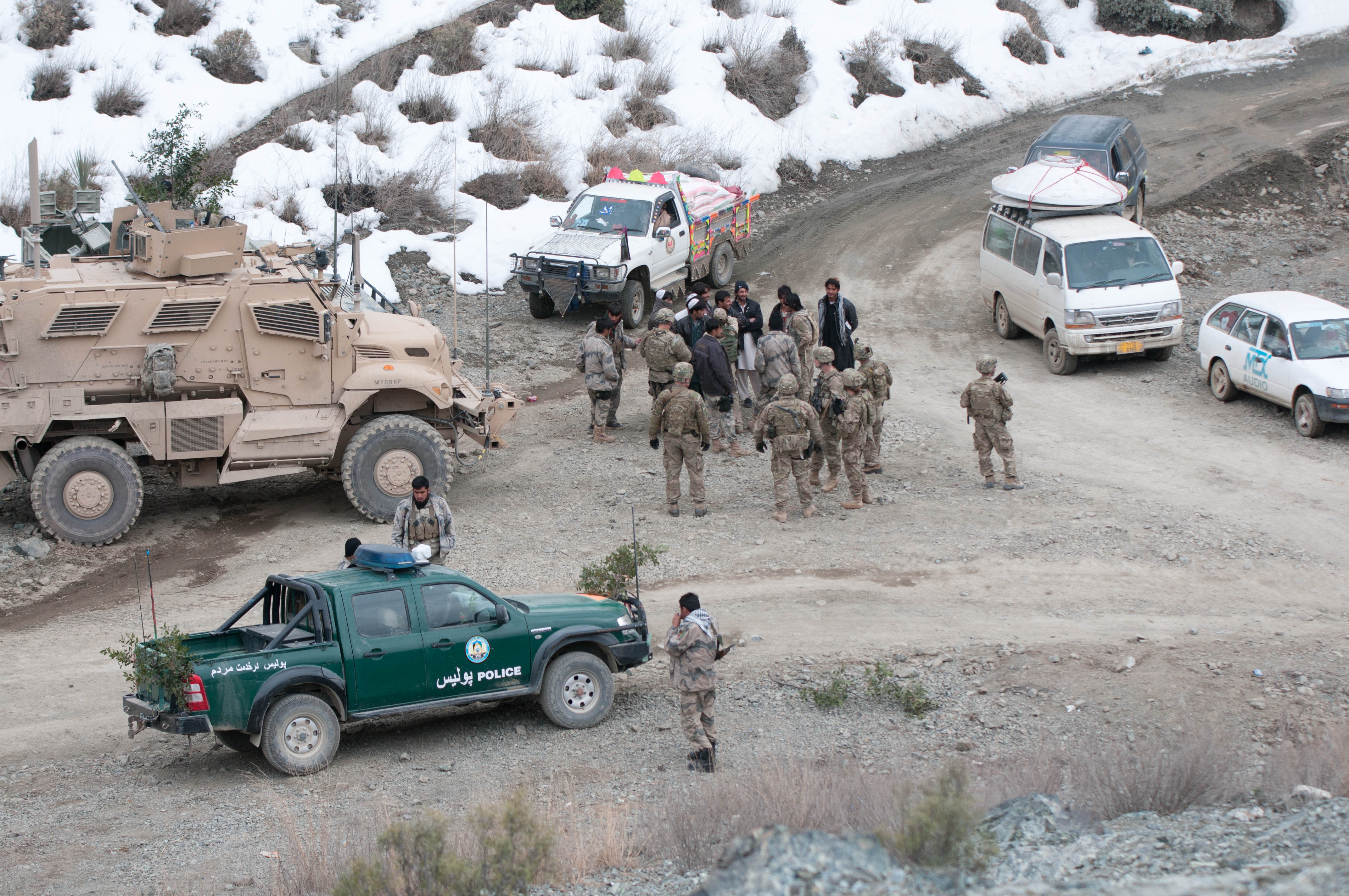
Khyber Pakhtunkhwa mountainous checkpoint Khyber Pakhtunkhwa mountainous checkpoint

Strategic Measures Outlined

  • Operation Falcon Shield: A multi‑pronged offensive targeting militant hideouts in the Tirah and Khyber districts.
  • Intelligence integration: Enhanced coordination between the Inter‑Services Intelligence (ISI) and local law‑enforcement agencies.
  • Community outreach: Initiatives to win hearts and minds through development projects, education drives, and livelihood schemes.

Regional Implications

The escalation in KP has reverberated beyond Pakistan’s borders. Neighboring Afghanistan, still grappling with its own internal security challenges, risks becoming a safe haven for anti‑government elements. Moreover, the China‑Pakistan Economic Corridor (CPEC) projects traversing the region could face disruptions, prompting concern from Beijing and Islamabad alike.

Potential Outcomes

  • Stabilisation scenario: Successful containment could restore investor confidence and accelerate infrastructure development.
  • Escalation scenario: Failure to curb militancy may lead to a broader security vacuum, inviting foreign militant groups and destabilising the wider South‑Asian security architecture.

Key Takeaways

  • Leadership response: General Asim Munir’s decisive rhetoric signals a renewed military focus on KP.
  • Public sentiment: Citizens demand swift action; civil society groups are mobilising to support de‑radicalisation.
  • Geopolitical stakes: The security of KP is tightly linked to regional trade routes and diplomatic relations with Afghanistan and China.

“The fight against terror is not just a military operation; it is a battle for the soul of our nation,” General Munir asserted, underscoring the moral dimension of the campaign.

As the situation unfolds, the world will be watching how Pakistan balances hard‑line security tactics with soft‑power engagement to restore peace in one of its most volatile provinces.


Original Reporting & Source: India Today Top Stories

Discussion (0)

Sign in to join the discussion.

No comments yet. Be the first to start the conversation!

| |

Asim Munir Pledges War on Terror as Militancy Swells in Khyber‑Pakhtunkhwa

By Umang Sisodia • 3 min read • 5 views

Rising Militancy in Khyber‑Pakhtunkhwa

In recent weeks, Khyber‑Pakhtunkhwa (KP) – Pakistan’s rugged north‑west frontier – has witnessed a sharp uptick in militant activity. Reports of cross‑border incursions, targeted attacks on security forces, and the resurgence of outlawed groups have dominated the headlines, pushing the story to the top of Google Trends and sparking intense debate across South Asian newsrooms.

  • Spike in incidents: The provincial police recorded a 38% rise in terror‑related incidents compared to the same period last year.
  • Strategic location: KP borders Afghanistan, making it a flashpoint for insurgent spill‑over after the Taliban’s takeover.
  • Political pressure: Opposition parties are demanding a robust response, amplifying media coverage.

Asim Munir’s Commitment

On 28 September 2026, Pakistan’s Chief of Army Staff, General Asim Munir, addressed the nation in a televised press conference, vowing to “defeat terrorism in every corner of Khyber‑Pakhtunkhwa.” His remarks resonated across social platforms, generating millions of views and shares, and cementing the story’s viral momentum.

Khyber Pakhtunkhwa mountainous checkpoint Khyber Pakhtunkhwa mountainous checkpoint

Strategic Measures Outlined

  • Operation Falcon Shield: A multi‑pronged offensive targeting militant hideouts in the Tirah and Khyber districts.
  • Intelligence integration: Enhanced coordination between the Inter‑Services Intelligence (ISI) and local law‑enforcement agencies.
  • Community outreach: Initiatives to win hearts and minds through development projects, education drives, and livelihood schemes.

Regional Implications

The escalation in KP has reverberated beyond Pakistan’s borders. Neighboring Afghanistan, still grappling with its own internal security challenges, risks becoming a safe haven for anti‑government elements. Moreover, the China‑Pakistan Economic Corridor (CPEC) projects traversing the region could face disruptions, prompting concern from Beijing and Islamabad alike.

Potential Outcomes

  • Stabilisation scenario: Successful containment could restore investor confidence and accelerate infrastructure development.
  • Escalation scenario: Failure to curb militancy may lead to a broader security vacuum, inviting foreign militant groups and destabilising the wider South‑Asian security architecture.

Key Takeaways

  • Leadership response: General Asim Munir’s decisive rhetoric signals a renewed military focus on KP.
  • Public sentiment: Citizens demand swift action; civil society groups are mobilising to support de‑radicalisation.
  • Geopolitical stakes: The security of KP is tightly linked to regional trade routes and diplomatic relations with Afghanistan and China.

“The fight against terror is not just a military operation; it is a battle for the soul of our nation,” General Munir asserted, underscoring the moral dimension of the campaign.

As the situation unfolds, the world will be watching how Pakistan balances hard‑line security tactics with soft‑power engagement to restore peace in one of its most volatile provinces.


Original Reporting & Source: India Today Top Stories