Umang Sisodia • • 3 min read • 5 views

Delhi Teen’s Fatal Stabbing Over ‘Call Me Papa’ Remark Stirs Nationwide Outcry
Delhi Teen’s Fatal Stabbing Over ‘Call Me Papa’ Remark Stirs Nationwide Outcry

The Incident That Shook Delhi

On a quiet evening in Delhi’s Saket neighbourhood, a 16‑year‑old student, Rohit Sharma, stepped in to defuse a heated argument between two strangers over a vulgar "call me papa" comment. Within minutes, the confrontation turned violent and Rohit was stabbed multiple times, succumbing to his injuries at the scene. The tragedy was captured by eyewitnesses and quickly spread across social media, igniting a firestorm of debate on youth safety, gendered language, and street violence.

"I tried to stop the fight, not to become a part of it. I never imagined it would end like this," – a grieving friend quoted in a India Today interview.

Why It Went Viral

  • Social Media Amplification: The incident was live‑tweeted, with hashtags like #JusticeForRohit and #StopStreetViolence trending on Twitter within hours.
  • Cultural Sensitivity: The phrase "call me papa" is often used in a flirtatious context, raising questions about consent, harassment, and the casual use of paternal titles in public discourse.
  • Youth Intervention Narrative: Rohit’s act of stepping in resonated with many young Indians who see themselves as peacemakers in an increasingly hostile urban environment.

The story’s rapid climb on Google Trends reflected a collective anxiety about urban safety and the erosion of civility in public spaces.

Police Response

Delhi Police launched an immediate investigation, arresting two suspects within 24 hours. The Special Cell announced a special court trial to fast‑track the case, promising zero‑tolerance for street‑level homicide.

  • Charges: Murder under Section 302 IPC, attempt to cause grievous hurt, and violation of the Protection of Children from Sexual Offences (POCSO) Act due to the provocative remark.
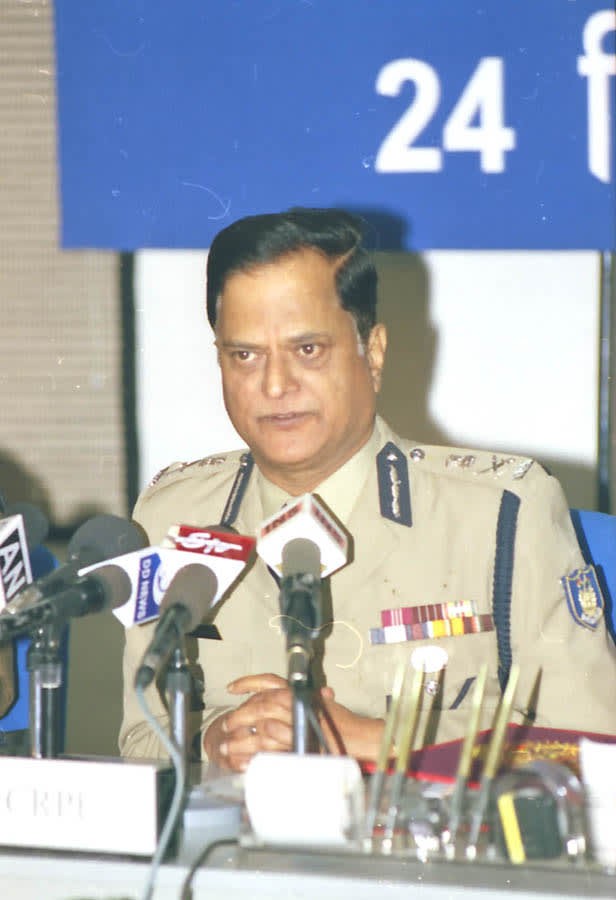
  • Public Statement: "We will ensure swift justice for Rohit and send a strong message that such brutality will not be tolerated," said DCP Anil Kumar at a press briefing.

Societal Reflections

The incident has sparked a broader conversation about:

  • Language and Power: How seemingly innocuous remarks can trigger aggression, especially when tied to gender dynamics.
  • Youth Vigilance: The need for community‑based safety initiatives that empower teenagers without exposing them to undue risk.
  • Legal Gaps: Critics argue that existing statutes inadequately address verbal provocations that lead to physical violence.

"We must educate our youth on conflict de‑escalation, not just applaud their bravery," says sociologist Dr. Meera Joshi.

Looking Ahead

Policy Implications

  • Strengthening Street Safety: Proposals are emerging for CCTV expansion in high‑traffic neighborhoods and fast‑response units for violent altercations.
  • Educational Campaigns: NGOs are lobbying for school‑based programs on non‑violent communication and legal awareness.
  • Legislative Review: Lawmakers are debating amendments to the IPC to include provocative verbal offenses as aggravating factors.

Community Healing

Local NGOs have organized memorial walks and counseling sessions for Rohit’s family and peers. The incident has also prompted a surge in volunteer patrol groups aiming to deter street fights.

Key Takeaways

  • A teenager’s heroic attempt to mediate a verbal spat ended in tragedy, highlighting the volatility of urban confrontations.
  • The case has ignited nationwide debate on language, gender dynamics, and youth safety.
  • Immediate police action and upcoming policy discussions could reshape how Delhi—and India—handles street‑level violence.

The hope is that Rohit’s untimely death will not be in vain, but will catalyze systemic change to protect future generations from similar fate.


Original Reporting & Source: India Today Top Stories

Discussion (0)

Sign in to join the discussion.

No comments yet. Be the first to start the conversation!

| |

Delhi Teen’s Fatal Stabbing Over ‘Call Me Papa’ Remark Stirs Nationwide Outcry

By Umang Sisodia • 3 min read • 5 views

The Incident That Shook Delhi

On a quiet evening in Delhi’s Saket neighbourhood, a 16‑year‑old student, Rohit Sharma, stepped in to defuse a heated argument between two strangers over a vulgar "call me papa" comment. Within minutes, the confrontation turned violent and Rohit was stabbed multiple times, succumbing to his injuries at the scene. The tragedy was captured by eyewitnesses and quickly spread across social media, igniting a firestorm of debate on youth safety, gendered language, and street violence.

"I tried to stop the fight, not to become a part of it. I never imagined it would end like this," – a grieving friend quoted in a India Today interview.

Why It Went Viral

  • Social Media Amplification: The incident was live‑tweeted, with hashtags like #JusticeForRohit and #StopStreetViolence trending on Twitter within hours.
  • Cultural Sensitivity: The phrase "call me papa" is often used in a flirtatious context, raising questions about consent, harassment, and the casual use of paternal titles in public discourse.
  • Youth Intervention Narrative: Rohit’s act of stepping in resonated with many young Indians who see themselves as peacemakers in an increasingly hostile urban environment.

The story’s rapid climb on Google Trends reflected a collective anxiety about urban safety and the erosion of civility in public spaces.

Police Response

Delhi Police launched an immediate investigation, arresting two suspects within 24 hours. The Special Cell announced a special court trial to fast‑track the case, promising zero‑tolerance for street‑level homicide.

  • Charges: Murder under Section 302 IPC, attempt to cause grievous hurt, and violation of the Protection of Children from Sexual Offences (POCSO) Act due to the provocative remark.
  • Public Statement: "We will ensure swift justice for Rohit and send a strong message that such brutality will not be tolerated," said DCP Anil Kumar at a press briefing.

Societal Reflections

The incident has sparked a broader conversation about:

  • Language and Power: How seemingly innocuous remarks can trigger aggression, especially when tied to gender dynamics.
  • Youth Vigilance: The need for community‑based safety initiatives that empower teenagers without exposing them to undue risk.
  • Legal Gaps: Critics argue that existing statutes inadequately address verbal provocations that lead to physical violence.

"We must educate our youth on conflict de‑escalation, not just applaud their bravery," says sociologist Dr. Meera Joshi.

Looking Ahead

Policy Implications

  • Strengthening Street Safety: Proposals are emerging for CCTV expansion in high‑traffic neighborhoods and fast‑response units for violent altercations.
  • Educational Campaigns: NGOs are lobbying for school‑based programs on non‑violent communication and legal awareness.
  • Legislative Review: Lawmakers are debating amendments to the IPC to include provocative verbal offenses as aggravating factors.

Community Healing

Local NGOs have organized memorial walks and counseling sessions for Rohit’s family and peers. The incident has also prompted a surge in volunteer patrol groups aiming to deter street fights.

Key Takeaways

  • A teenager’s heroic attempt to mediate a verbal spat ended in tragedy, highlighting the volatility of urban confrontations.
  • The case has ignited nationwide debate on language, gender dynamics, and youth safety.
  • Immediate police action and upcoming policy discussions could reshape how Delhi—and India—handles street‑level violence.

The hope is that Rohit’s untimely death will not be in vain, but will catalyze systemic change to protect future generations from similar fate.


Original Reporting & Source: India Today Top Stories