Umang Sisodia • • 3 min read • 7 views

President Murmu Calls on Bollywood to Drop Health‑Harming Endorsements
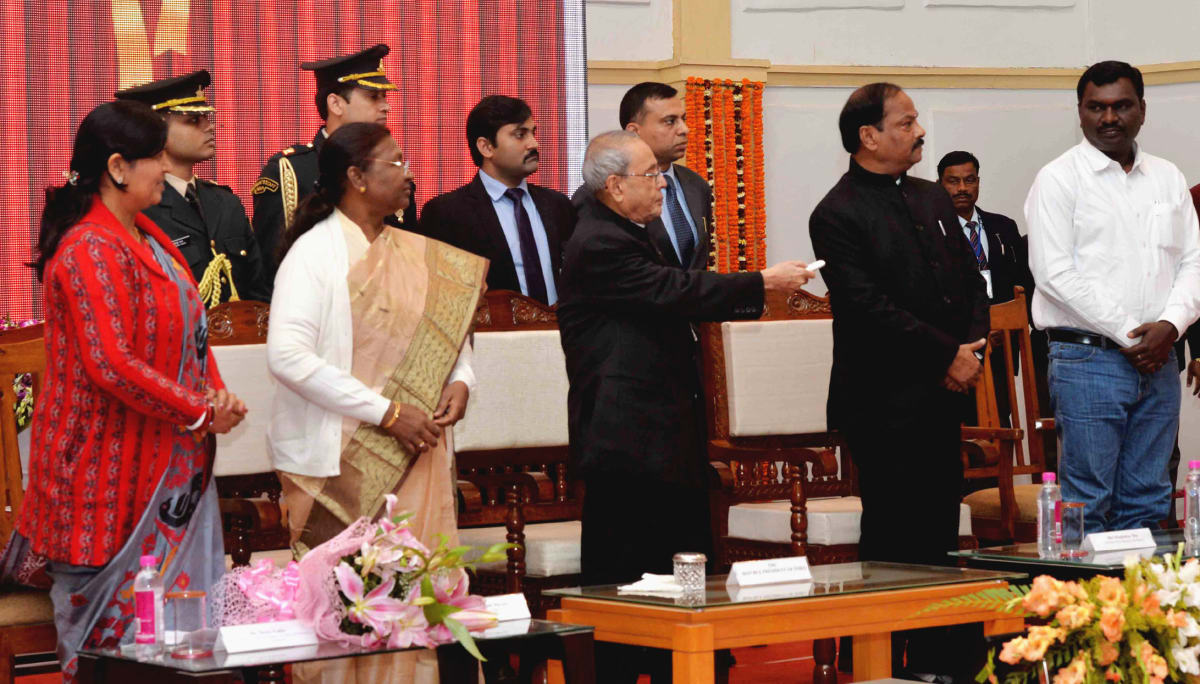
President Murmu Calls on Bollywood to Drop Health‑Harming Endorsements

President Murmu's Call to the Film Industry

In a decisive press briefing yesterday, President Droupadi Murmu urged India's film stars and production houses to stop endorsing products that jeopardise public health. The appeal, delivered at the Rashtrapati Bhavan, targeted a range of items—from tobacco and alcohol to sugary drinks and unregulated nutraceuticals—highlighting the outsized influence celebrities wield over consumer behaviour.

"When a beloved actor holds a product in their hands, millions of eyes follow. It is our collective responsibility to ensure that influence promotes health, not harm," President Murmu said.

The Immediate Spark

The statement quickly trended on Google Trends, spiking to the top‑10 in India within hours. Social media platforms lit up with debates, memes, and supportive messages from health NGOs. The timing aligns with the Ministry of Health's recent rollout of stricter advertising norms for tobacco and alcohol, making Murmu's remarks both a moral and regulatory nudge.

  • Tobacco: Over 12 % of Indian adults smoke; celebrity ads have historically boosted sales.
  • Alcohol: Recent studies link celebrity‑driven promotions to a rise in binge drinking among youth.
  • Sugary drinks & nutraceuticals: Unchecked endorsements fuel rising obesity and diabetes rates.

Historical Context of Celebrity Endorsements

India's film industry, colloquially known as Bollywood, has long served as a cultural barometer. From the 1990s onward, stars have been the face of everything from cigarettes to herbal tonics. While such partnerships have generated lucrative revenues, they have also drawn criticism from public health advocates.
Bollywood set anti-smoking poster Bollywood set anti-smoking poster

Public Health Stakes

Research by the Indian Council of Medical Research (ICMR) indicates that celebrity endorsements can increase product uptake by 30‑40 % among impressionable demographics. The ripple effect is stark:

  • Tobacco: An estimated 2 million additional smokers could emerge if endorsements continue unchecked.
  • Alcohol: Hospital admissions for alcohol‑related injuries rise by 15 % during high‑visibility campaigns.
  • Sugary drinks: Childhood obesity rates have climbed 8 % in the past five years, partially attributed to aspirational marketing.

The President's appeal is thus not merely symbolic; it aligns with a broader governmental push to curb non‑communicable diseases (NCDs) that account for 60 % of deaths in India.

What Lies Ahead

Industry insiders suggest a mixed response. Some high‑profile actors, including Alia Bhatt and Ranveer Singh, have publicly pledged to review their endorsement portfolios. Production houses are reportedly drafting internal guidelines to vet product tie‑ins.

Potential policy outcomes include:

  1. Mandatory disclosure of health‑impact assessments for any product a star promotes.
  2. Penalties for repeated violations, ranging from fines to temporary bans on participating in state‑sponsored events.
  3. Incentives for celebrities who champion health‑positive campaigns, such as government‑backed public service announcements.

If these measures gain traction, the Indian entertainment ecosystem could set a global precedent for responsible celebrity influence.

Key Takeaways

  • President Murmu's statement reflects growing governmental concern over health‑harming endorsements.
  • The issue surged on Google Trends due to its intersection of celebrity culture and public health.
  • Historical endorsement practices have contributed significantly to rising NCDs.
  • Future regulatory frameworks may enforce stricter vetting, with both penalties and incentives.
  • The entertainment industry stands at a crossroads, with an opportunity to reshape its role as a health ambassador.

The conversation is far from over, but today's decisive call marks a pivotal moment in India's fight for a healthier public sphere.


Original Reporting & Source: India Today Top Stories

Discussion (0)

Sign in to join the discussion.

No comments yet. Be the first to start the conversation!

| |

President Murmu Calls on Bollywood to Drop Health‑Harming Endorsements

By Umang Sisodia • 3 min read • 7 views

President Murmu's Call to the Film Industry

In a decisive press briefing yesterday, President Droupadi Murmu urged India's film stars and production houses to stop endorsing products that jeopardise public health. The appeal, delivered at the Rashtrapati Bhavan, targeted a range of items—from tobacco and alcohol to sugary drinks and unregulated nutraceuticals—highlighting the outsized influence celebrities wield over consumer behaviour.

"When a beloved actor holds a product in their hands, millions of eyes follow. It is our collective responsibility to ensure that influence promotes health, not harm," President Murmu said.

The Immediate Spark

The statement quickly trended on Google Trends, spiking to the top‑10 in India within hours. Social media platforms lit up with debates, memes, and supportive messages from health NGOs. The timing aligns with the Ministry of Health's recent rollout of stricter advertising norms for tobacco and alcohol, making Murmu's remarks both a moral and regulatory nudge.

  • Tobacco: Over 12 % of Indian adults smoke; celebrity ads have historically boosted sales.
  • Alcohol: Recent studies link celebrity‑driven promotions to a rise in binge drinking among youth.
  • Sugary drinks & nutraceuticals: Unchecked endorsements fuel rising obesity and diabetes rates.

Historical Context of Celebrity Endorsements

India's film industry, colloquially known as Bollywood, has long served as a cultural barometer. From the 1990s onward, stars have been the face of everything from cigarettes to herbal tonics. While such partnerships have generated lucrative revenues, they have also drawn criticism from public health advocates.

Bollywood set anti-smoking poster Bollywood set anti-smoking poster

Public Health Stakes

Research by the Indian Council of Medical Research (ICMR) indicates that celebrity endorsements can increase product uptake by 30‑40 % among impressionable demographics. The ripple effect is stark:

  • Tobacco: An estimated 2 million additional smokers could emerge if endorsements continue unchecked.
  • Alcohol: Hospital admissions for alcohol‑related injuries rise by 15 % during high‑visibility campaigns.
  • Sugary drinks: Childhood obesity rates have climbed 8 % in the past five years, partially attributed to aspirational marketing.

The President's appeal is thus not merely symbolic; it aligns with a broader governmental push to curb non‑communicable diseases (NCDs) that account for 60 % of deaths in India.

What Lies Ahead

Industry insiders suggest a mixed response. Some high‑profile actors, including Alia Bhatt and Ranveer Singh, have publicly pledged to review their endorsement portfolios. Production houses are reportedly drafting internal guidelines to vet product tie‑ins.

Potential policy outcomes include:

  1. Mandatory disclosure of health‑impact assessments for any product a star promotes.
  2. Penalties for repeated violations, ranging from fines to temporary bans on participating in state‑sponsored events.
  3. Incentives for celebrities who champion health‑positive campaigns, such as government‑backed public service announcements.

If these measures gain traction, the Indian entertainment ecosystem could set a global precedent for responsible celebrity influence.

Key Takeaways

  • President Murmu's statement reflects growing governmental concern over health‑harming endorsements.
  • The issue surged on Google Trends due to its intersection of celebrity culture and public health.
  • Historical endorsement practices have contributed significantly to rising NCDs.
  • Future regulatory frameworks may enforce stricter vetting, with both penalties and incentives.
  • The entertainment industry stands at a crossroads, with an opportunity to reshape its role as a health ambassador.

The conversation is far from over, but today's decisive call marks a pivotal moment in India's fight for a healthier public sphere.


Original Reporting & Source: India Today Top Stories