Umang Sisodia • • 3 min read • 9 views

NATO Sounds Alarm: Putin’s Growing Threat Amid Rising Covert Attacks in Europe
NATO Sounds Alarm: Putin’s Growing Threat Amid Rising Covert Attacks in Europe

NATO’s Stark Warning

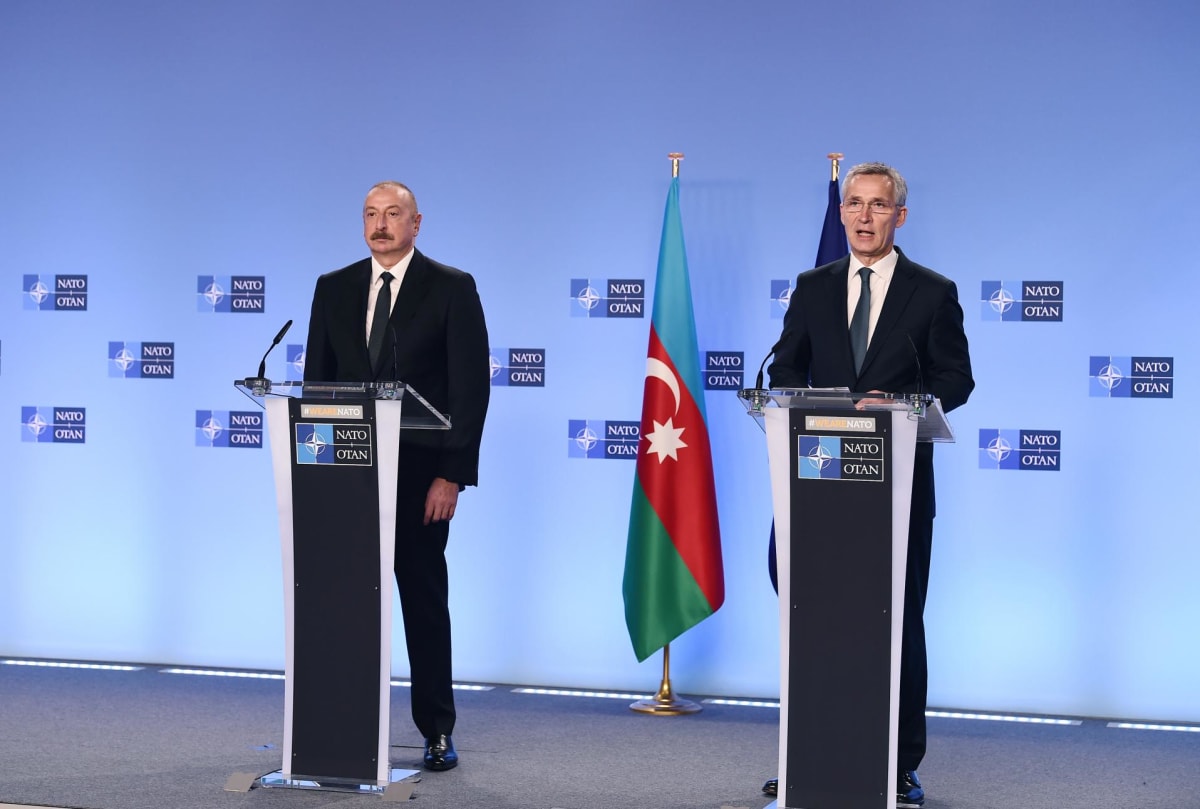
In a high‑profile press briefing held at its Brussels headquarters, NATO Secretary‑General Jens Stoltenberg warned that Russian President Vladimir Putin is becoming increasingly dangerous as a wave of covert attacks sweeps across Europe. The alliance cited a surge in sabotage, cyber‑intrusions, and unexplained explosions targeting critical infrastructure in several NATO member states.

"We are witnessing a pattern of clandestine aggression that seeks to destabilise our democracies without crossing the threshold of open war," Stoltenberg told reporters.

The warning, first reported by India Today Top Stories, has ignited a flurry of discussions on Google Trends, with search queries like "NATO Putin threat" and "covert attacks Europe" spiking dramatically over the past 48 hours.


European city night skyline explosion European city night skyline explosion


Why the Surge in Covert Operations?

1. Geopolitical Chessboard

  • Ukraine conflict spill‑over: As the war in Ukraine drags on, Moscow appears to be testing the limits of its reach, using deniable tactics to avoid direct retaliation.
  • Energy leverage: Disruptions to gas pipelines and power grids aim to pressure European nations dependent on Russian energy supplies.

2. Technological Edge

  • Advanced cyber‑weapons: Russian state‑linked groups such as APT‑28 have deployed sophisticated malware targeting election systems, water treatment plants, and financial institutions.
  • Unmanned aerial systems: Small, low‑observable drones have been spotted near critical sites in the Baltics and Central Europe, suggesting a shift toward “gray zone” warfare.

3. Domestic Distractions

  • Internal dissent: With growing opposition at home, covert external operations serve as a rallying cry for nationalist sentiment, projecting strength abroad.

The Immediate Reactions Across Europe

  • Poland: Mobilised additional troops along its eastern border and announced a €2 billion boost to cyber‑defence capabilities.
  • Germany: Fast‑tracked the Cybersecurity Act to grant authorities broader surveillance powers against suspected Russian operatives.
  • Baltic states: Requested accelerated deployment of NATO’s Enhanced Forward Presence battalions, citing recent sabotage attempts on rail networks.

NATO’s Strategic Counter‑Measures

  1. Intelligence sharing hub – A new digital platform will allow member nations to upload real‑time threat data, reducing the lag between detection and response.
  2. Joint cyber‑exercise ‘Eagle Shield’ – Scheduled for early next month, this drill will simulate a coordinated ransomware attack on a multinational power grid.
  3. Political outreach – Stoltenberg announced plans to convene a special summit with EU leaders to harmonise sanctions and reinforce collective defence clauses under Article 5.

Looking Ahead: What Could This Mean for Global Security?

  • Escalation risk: While covert attacks remain below the threshold of open warfare, they increase the probability of miscalculation, especially if a high‑profile incident results in civilian casualties.
  • Alliance cohesion: NATO’s unified stance may deter further aggression, but divergent threat perceptions among members could test the alliance’s unity.
  • Hybrid warfare evolution: Expect a blend of cyber, informational, and kinetic tactics, compelling nations to invest heavily in resilience rather than just deterrence.

Key Takeaways

  • NATO perceives a significant uptick in Russian covert activity across Europe.
  • The gray‑zone strategy aims to destabilise without triggering Article 5.
  • Collective response hinges on intelligence sharing, rapid cyber‑defence, and political solidarity.

As Europe braces for an era where the battlefield blurs between the digital and the physical, NATO’s warning serves as both a call to vigilance and a test of alliance resolve. The coming weeks will reveal whether coordinated defence can outpace the covert tactics that threaten the continent’s stability.


Original Reporting & Source: India Today Top Stories

Discussion (0)

Sign in to join the discussion.

No comments yet. Be the first to start the conversation!

| |

NATO Sounds Alarm: Putin’s Growing Threat Amid Rising Covert Attacks in Europe

By Umang Sisodia • 3 min read • 9 views

NATO’s Stark Warning

In a high‑profile press briefing held at its Brussels headquarters, NATO Secretary‑General Jens Stoltenberg warned that Russian President Vladimir Putin is becoming increasingly dangerous as a wave of covert attacks sweeps across Europe. The alliance cited a surge in sabotage, cyber‑intrusions, and unexplained explosions targeting critical infrastructure in several NATO member states.

"We are witnessing a pattern of clandestine aggression that seeks to destabilise our democracies without crossing the threshold of open war," Stoltenberg told reporters.

The warning, first reported by India Today Top Stories, has ignited a flurry of discussions on Google Trends, with search queries like "NATO Putin threat" and "covert attacks Europe" spiking dramatically over the past 48 hours.


European city night skyline explosion European city night skyline explosion


Why the Surge in Covert Operations?

1. Geopolitical Chessboard

  • Ukraine conflict spill‑over: As the war in Ukraine drags on, Moscow appears to be testing the limits of its reach, using deniable tactics to avoid direct retaliation.
  • Energy leverage: Disruptions to gas pipelines and power grids aim to pressure European nations dependent on Russian energy supplies.

2. Technological Edge

  • Advanced cyber‑weapons: Russian state‑linked groups such as APT‑28 have deployed sophisticated malware targeting election systems, water treatment plants, and financial institutions.
  • Unmanned aerial systems: Small, low‑observable drones have been spotted near critical sites in the Baltics and Central Europe, suggesting a shift toward “gray zone” warfare.

3. Domestic Distractions

  • Internal dissent: With growing opposition at home, covert external operations serve as a rallying cry for nationalist sentiment, projecting strength abroad.

The Immediate Reactions Across Europe

  • Poland: Mobilised additional troops along its eastern border and announced a €2 billion boost to cyber‑defence capabilities.
  • Germany: Fast‑tracked the Cybersecurity Act to grant authorities broader surveillance powers against suspected Russian operatives.
  • Baltic states: Requested accelerated deployment of NATO’s Enhanced Forward Presence battalions, citing recent sabotage attempts on rail networks.

NATO’s Strategic Counter‑Measures

  1. Intelligence sharing hub – A new digital platform will allow member nations to upload real‑time threat data, reducing the lag between detection and response.
  2. Joint cyber‑exercise ‘Eagle Shield’ – Scheduled for early next month, this drill will simulate a coordinated ransomware attack on a multinational power grid.
  3. Political outreach – Stoltenberg announced plans to convene a special summit with EU leaders to harmonise sanctions and reinforce collective defence clauses under Article 5.

Looking Ahead: What Could This Mean for Global Security?

  • Escalation risk: While covert attacks remain below the threshold of open warfare, they increase the probability of miscalculation, especially if a high‑profile incident results in civilian casualties.
  • Alliance cohesion: NATO’s unified stance may deter further aggression, but divergent threat perceptions among members could test the alliance’s unity.
  • Hybrid warfare evolution: Expect a blend of cyber, informational, and kinetic tactics, compelling nations to invest heavily in resilience rather than just deterrence.

Key Takeaways

  • NATO perceives a significant uptick in Russian covert activity across Europe.
  • The gray‑zone strategy aims to destabilise without triggering Article 5.
  • Collective response hinges on intelligence sharing, rapid cyber‑defence, and political solidarity.

As Europe braces for an era where the battlefield blurs between the digital and the physical, NATO’s warning serves as both a call to vigilance and a test of alliance resolve. The coming weeks will reveal whether coordinated defence can outpace the covert tactics that threaten the continent’s stability.


Original Reporting & Source: India Today Top Stories