Umang Sisodia • • 3 min read • 5 views
Trump Abandons Greenland Annexation as US‑Denmark Defense Pact Redraws Arctic Strategy
The Sudden Shift in US Arctic Policy
In a surprise turn of events, former President Donald Trump announced that the United States will no longer pursue any claim over Greenland. The declaration came just hours after Washington and Copenhagen signed a historic defense cooperation agreement aimed at bolstering security in the increasingly contested Arctic region.
What happened?
- Trump’s announcement: During a brief press briefing at the White House, Trump stated that “the idea of annexing Greenland is off the table – it’s not in America’s interest any longer.”
- US‑Denmark pact: Simultaneously, the U.S. Secretary of State and the Danish Foreign Minister signed a joint statement committing to joint naval patrols, intelligence sharing, and joint training exercises in the Arctic Circle.
- Immediate reaction: Greenland’s Premier, Múte Bourup Egede, welcomed the decision, calling it “a reaffirmation of Greenland’s right to self‑determination.”
Why it’s trending
The story has surged on Google Trends for several reasons:
- Geopolitical shock value – The notion of the United States annexing Greenland has been a recurring fantasy in political satire for decades; dropping it feels like a plot twist.
- Arctic security stakes – With China, Russia, and the EU intensifying their presence north of the Arctic Circle, any US‑European defense pact draws massive strategic interest.
- Domestic political drama – Critics of Trump view the reversal as a rare concession, while his supporters frame it as a pragmatic shift.
"The United States remains committed to a free and open Arctic, and this partnership with Denmark underscores our shared values of security and sustainability," – U.S. State Department spokesperson.
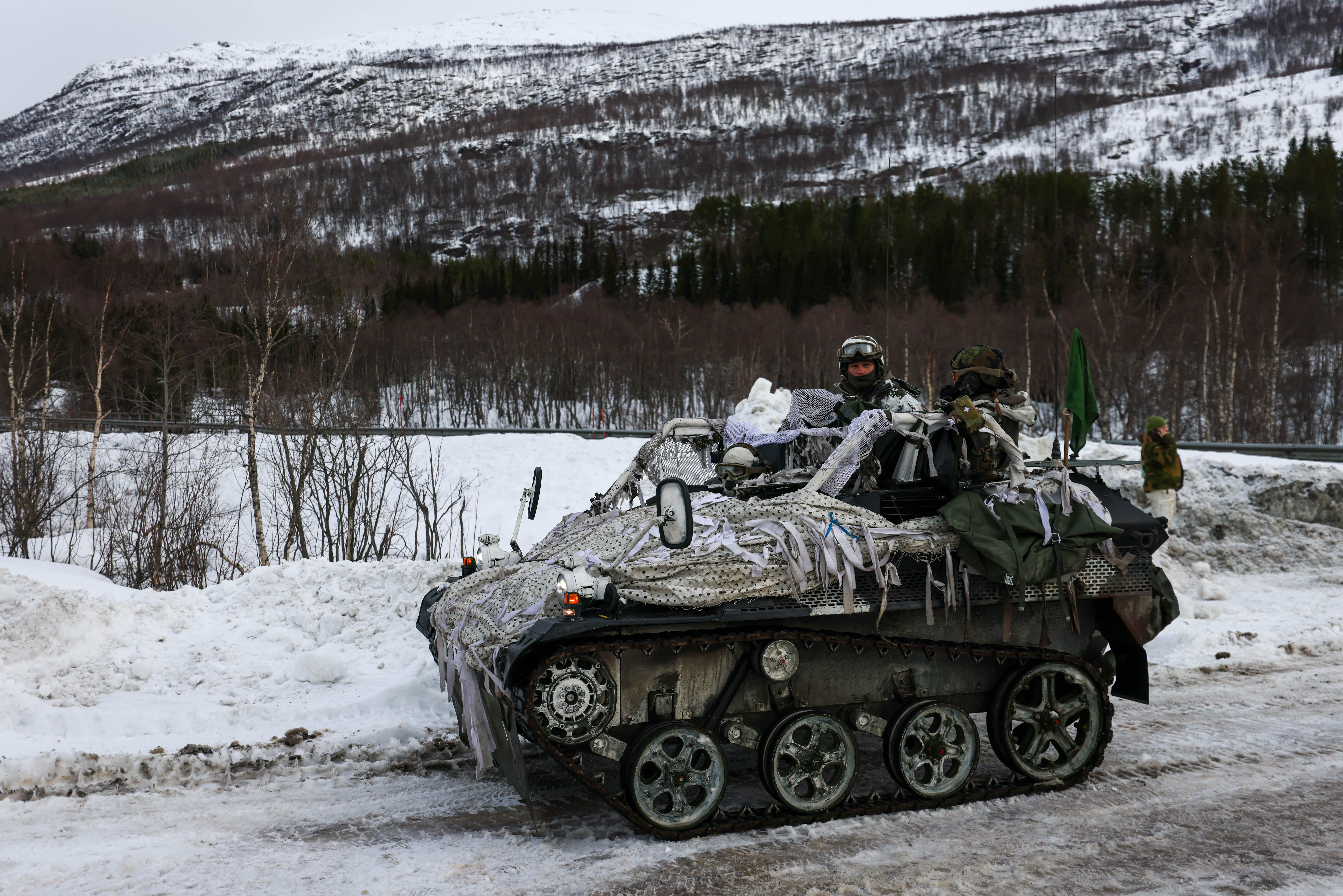 Denmark US joint military exercise
Geopolitical Ripples Across the Arctic
Historical backdrop
Greenland, an autonomous territory within the Kingdom of Denmark, has long been a strategic pawn in Cold War calculations. The United States operates the Thule Air Base, the world’s northernmost U.S. military installation, while Denmark maintains sovereign rights over the island’s exclusive economic zone. Past proposals—most notably a 2019 private bid by a U.S. billionaire to buy Greenland—were dismissed as unrealistic, yet they kept the idea alive in public discourse.
Strategic implications of the US‑Denmark pact
- Enhanced maritime surveillance: Joint patrols will monitor the increasingly busy Northern Sea Route, where melting ice opens new commercial shipping lanes.
- Counter‑balancing China: Beijing’s Belt‑and‑Road Arctic initiatives have prompted NATO allies to tighten cooperation; this pact is a clear signal of alignment.
- Environmental stewardship: Both nations pledged to incorporate climate‑change research into joint operations, acknowledging the fragile Arctic ecosystem.
Future impact on Greenland’s autonomy
The decision to drop annexation demands may empower Greenland’s push for greater independence. With the U.S. now focusing on partnership rather than possession, Greenland’s government can negotiate investment in renewable energy and infrastructure on its own terms, potentially accelerating its path toward full sovereignty.
Key Takeaways
- Trump’s reversal removes a long‑standing, albeit symbolic, US claim over Greenland.
- US‑Denmark defense pact signals a coordinated approach to Arctic security amid rising great‑power competition.
- Greenland’s strategic relevance is shifting from a territorial prize to a collaborative hub for climate and security initiatives.
- Global implications include a recalibrated Arctic balance, with NATO allies asserting a united front against emerging challenges.
The story continues to develop as both governments outline the operational details of their new partnership. Stay tuned for deeper analysis on how this will reshape the geopolitical map of the High North.
Original Reporting & Source: India Today Top Stories

Discussion (0)
Sign in to join the discussion.
No comments yet. Be the first to start the conversation!