Umang Sisodia • • 3 min read • 8 views

Old Crown Prince Video Resurfaces: How a Misleading Claim Went Viral
Old Crown Prince Video Resurfaces: How a Misleading Claim Went Viral

The Video That Sparked a Fact‑Check Storm

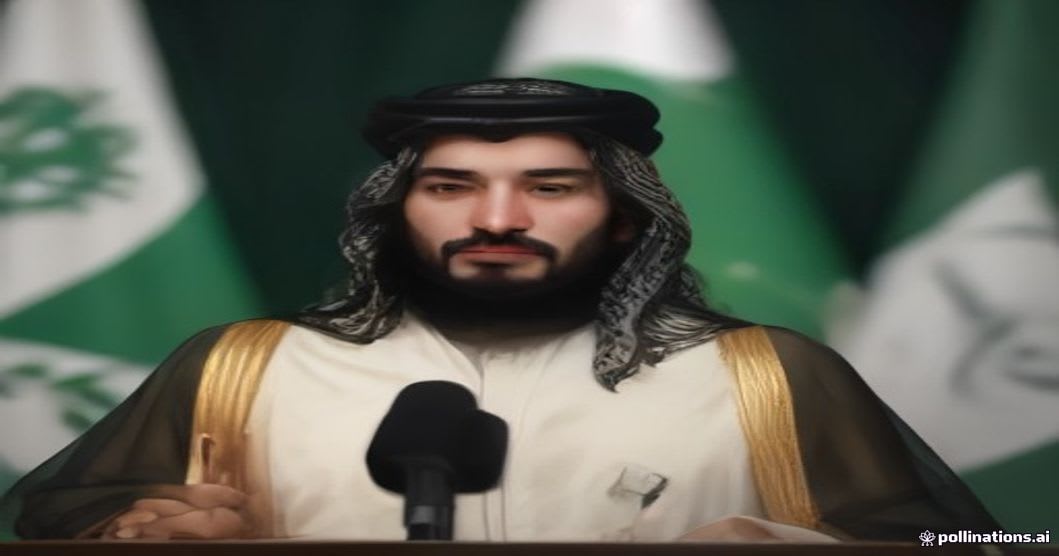
In early September 2024, a grainy clip of Saudi Crown Prince Mohammed bin Salman (MBS) appeared on multiple Indian social‑media platforms, accompanied by the claim that the prince was “inspecting a secret nuclear facility in the desert”. The video, however, was later identified by fact‑checkers as a 2018 footage of the Crown Prince attending a public rally in Riyadh. The mismatch between the visual content and the sensational caption ignited a wave of shares, comments, and outright speculation.

How the Misinformation Spread

The claim first surfaced on a popular WhatsApp forward, quickly amplified by Twitter threads, Instagram reels, and YouTube commentary channels. Within 24 hours, the hashtag #MBSNukeClaim trended on Google Trends in India, the UAE, and the United Kingdom. Key drivers of the virality included:

  • Emotional resonance – the notion of a nuclear facility taps into existing geopolitical anxieties.
  • Algorithmic boost – platforms flagged the video as “breaking news”, pushing it to larger audiences.
  • Echo chambers – regional groups with pre‑existing skepticism toward Saudi foreign policy amplified the claim without verification.
fact checking newsroom India fact checking newsroom India

Why It Went Viral

Several factors explain the rapid spread:

  1. Timing – The post coincided with a high‑profile diplomatic summit in Riyadh, where discussions on regional security were already in the news.
  2. Visual ambiguity – The video’s low resolution obscured identifiable landmarks, making it easy to reinterpret the scene.
  3. Influencer endorsement – A handful of Indian political commentators reposted the clip, adding their own speculative captions, which lent an air of credibility.

The Role of Fact‑Checkers

Indian fact‑checking outlet The Quint launched an investigation within hours. Their methodology included:

  • Reverse‑image search to locate the original upload date.
  • Metadata analysis of the video file, confirming a 2018 creation timestamp.
  • Cross‑referencing with Saudi government archives, which listed the Crown Prince’s official itinerary on the day the video was recorded.

"The video is from a public rally in Riyadh on 12 March 2018, not a clandestine nuclear inspection. Misleading claims like these erode public trust in legitimate journalism," – The Quint Fact‑Check Team.

The Quint’s report, published on September 5, quickly garnered attention from mainstream media outlets, prompting platforms like Facebook and Twitter to add warning labels to the original post.

Implications for Digital Media and Geopolitics

The incident underscores a broader challenge:

  • Speed vs. accuracy – In the race to be first, many users sacrifice verification, allowing outdated or unrelated footage to be repurposed for current narratives.
  • Cross‑border misinformation – A claim originating in India can influence perceptions of Saudi policy worldwide, highlighting the need for international coordination among fact‑checkers.
  • Policy response – Both the Indian Ministry of Information and Broadcasting and the Saudi Ministry of Media have signaled intentions to strengthen cross‑platform monitoring of misleading content.

What Can Readers Do?

  • Check source credibility before sharing.
  • Look for original timestamps on videos and images.
  • Rely on established fact‑checking portals for verification.

Key Takeaways

  • An old 2018 video of Crown Prince MBS was misrepresented as a 2024 nuclear inspection.
  • The claim trended globally due to algorithmic amplification and geopolitical timing.
  • Prompt fact‑checking by The Quint debunked the claim, prompting platform warnings.
  • The episode highlights the urgent need for media literacy and coordinated fact‑checking across borders.

By understanding how such narratives are constructed and spread, readers can better navigate the complex information ecosystem of today’s digital age.


Original Reporting & Source: The Quint

Discussion (0)

Sign in to join the discussion.

No comments yet. Be the first to start the conversation!

| |

Old Crown Prince Video Resurfaces: How a Misleading Claim Went Viral

By Umang Sisodia • 3 min read • 8 views

The Video That Sparked a Fact‑Check Storm

In early September 2024, a grainy clip of Saudi Crown Prince Mohammed bin Salman (MBS) appeared on multiple Indian social‑media platforms, accompanied by the claim that the prince was “inspecting a secret nuclear facility in the desert”. The video, however, was later identified by fact‑checkers as a 2018 footage of the Crown Prince attending a public rally in Riyadh. The mismatch between the visual content and the sensational caption ignited a wave of shares, comments, and outright speculation.

How the Misinformation Spread

The claim first surfaced on a popular WhatsApp forward, quickly amplified by Twitter threads, Instagram reels, and YouTube commentary channels. Within 24 hours, the hashtag #MBSNukeClaim trended on Google Trends in India, the UAE, and the United Kingdom. Key drivers of the virality included:

  • Emotional resonance – the notion of a nuclear facility taps into existing geopolitical anxieties.
  • Algorithmic boost – platforms flagged the video as “breaking news”, pushing it to larger audiences.
  • Echo chambers – regional groups with pre‑existing skepticism toward Saudi foreign policy amplified the claim without verification.

fact checking newsroom India fact checking newsroom India

Why It Went Viral

Several factors explain the rapid spread:

  1. Timing – The post coincided with a high‑profile diplomatic summit in Riyadh, where discussions on regional security were already in the news.
  2. Visual ambiguity – The video’s low resolution obscured identifiable landmarks, making it easy to reinterpret the scene.
  3. Influencer endorsement – A handful of Indian political commentators reposted the clip, adding their own speculative captions, which lent an air of credibility.

The Role of Fact‑Checkers

Indian fact‑checking outlet The Quint launched an investigation within hours. Their methodology included:

  • Reverse‑image search to locate the original upload date.
  • Metadata analysis of the video file, confirming a 2018 creation timestamp.
  • Cross‑referencing with Saudi government archives, which listed the Crown Prince’s official itinerary on the day the video was recorded.

"The video is from a public rally in Riyadh on 12 March 2018, not a clandestine nuclear inspection. Misleading claims like these erode public trust in legitimate journalism," – The Quint Fact‑Check Team.

The Quint’s report, published on September 5, quickly garnered attention from mainstream media outlets, prompting platforms like Facebook and Twitter to add warning labels to the original post.

Implications for Digital Media and Geopolitics

The incident underscores a broader challenge:

  • Speed vs. accuracy – In the race to be first, many users sacrifice verification, allowing outdated or unrelated footage to be repurposed for current narratives.
  • Cross‑border misinformation – A claim originating in India can influence perceptions of Saudi policy worldwide, highlighting the need for international coordination among fact‑checkers.
  • Policy response – Both the Indian Ministry of Information and Broadcasting and the Saudi Ministry of Media have signaled intentions to strengthen cross‑platform monitoring of misleading content.

What Can Readers Do?

  • Check source credibility before sharing.
  • Look for original timestamps on videos and images.
  • Rely on established fact‑checking portals for verification.

Key Takeaways

  • An old 2018 video of Crown Prince MBS was misrepresented as a 2024 nuclear inspection.
  • The claim trended globally due to algorithmic amplification and geopolitical timing.
  • Prompt fact‑checking by The Quint debunked the claim, prompting platform warnings.
  • The episode highlights the urgent need for media literacy and coordinated fact‑checking across borders.

By understanding how such narratives are constructed and spread, readers can better navigate the complex information ecosystem of today’s digital age.


Original Reporting & Source: The Quint