Umang Sisodia • • 3 min read • 9 views
Heavy Rain Alert in North Andhra Spurs Power‑Grid Safeguards and School Closures

Heavy Rain Alert Hits North Andhra
The Indian Meteorological Department (IMD) has issued a very heavy rain alert across four states, with North Andhra bearing the brunt of an approaching deep depression. Satellite imagery shows sprawling cloud bands moving eastward, prompting authorities to activate emergency protocols. The alert has already triggered a cascade of precautionary measures, from power‑grid inspections to school shutdowns in six districts of Andhra Pradesh.
Energy Minister’s Directive to Protect Power Infrastructure
In a high‑level briefing held at the state secretariat, the Energy Minister addressed senior officials, emphasizing the need to "minimise damages to power infrastructure" before the monsoon deluge arrives. The minister urged:
- Pre‑emptive line inspections and trimming of overgrown vegetation near transmission towers.
- Deployment of rapid‑response teams equipped with portable transformers and repair kits.
- Coordination with local utilities to reroute power and prevent outages in vulnerable villages.
"Our priority is to safeguard the lifeline that powers homes, hospitals, and schools. A proactive approach now will avert massive disruptions later," the minister said.
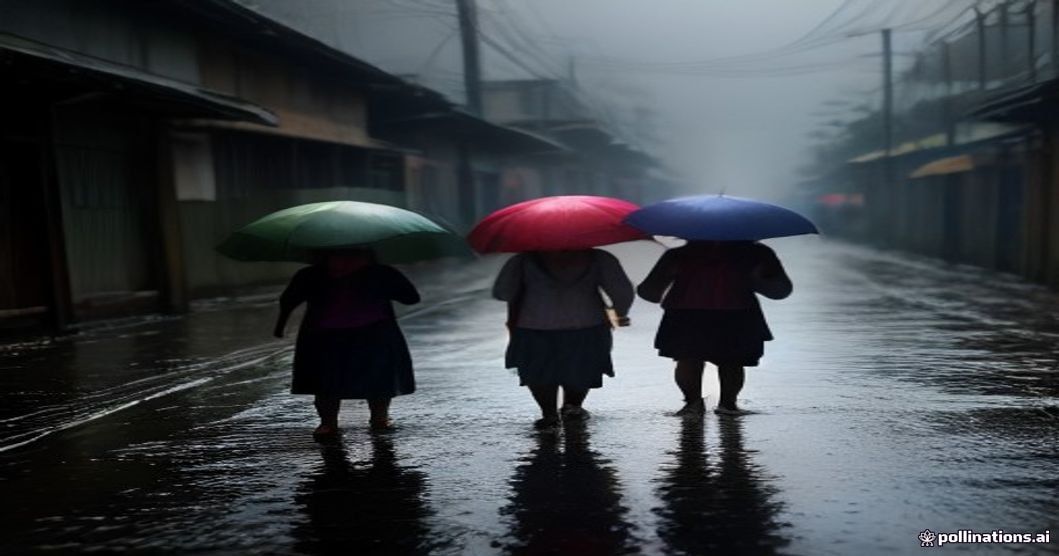 Andhra Pradesh school closure heavy rain
Impact on Power Infrastructure
Heavy rainfall can wreak havoc on electrical networks:
- Flood‑water intrusion can short‑circuit substations and damage critical switchgear.
- Wind‑borne debris may topple poles, causing line breaks and hazardous live wires.
- Soil erosion undermines the foundations of towers, leading to long‑term stability concerns.
Utilities in the affected districts have already reported pre‑emptive shutdowns of 12% of the grid to conduct safety checks. Engineers are using drones to survey hard‑to‑reach lines, a technique that has reduced inspection time by 30% compared with traditional methods.
Schools and Communities Brace for the Deluge
The heavy rain alert prompted the Andhra Pradesh education department to close schools in six districts. Parents are seen queuing at school gates, many holding umbrellas, while teachers coordinate remote learning modules. The closures aim to protect students from flash floods and slippery roads that have already rendered several routes impassable.
Key concerns for the community include:
- Disruption of daily commutes for workers and students.
- Potential water‑borne diseases if stagnant water accumulates.
- Agricultural losses as paddy fields risk submergence.
Why This Trend Is Trending on Google
The query "weather today" has surged past 5,000 searches on Google Trends India, reflecting public anxiety over the impending rains. Several factors fuel this spike:
- Real‑time alerts from IMD and state governments are being widely shared on social media.
- Media coverage from reputable outlets like The Hindu and Down To Earth highlights the severity of the weather system.
- Historical memory of previous monsoon failures, which caused prolonged power outages and school closures, makes citizens more vigilant.
Looking Ahead: Building Resilience
The current scenario underscores the need for long‑term infrastructure resilience:
- Smart grid technologies can isolate fault zones automatically, reducing outage durations.
- Elevated substations and waterproof enclosures will mitigate flood damage.
- Community awareness programs should educate residents on safety measures during heavy rains.
As the monsoon season progresses, the coordinated efforts of the Energy Ministry, local utilities, and disaster management agencies will be critical in preventing widespread power failures and ensuring that schools can reopen safely.
Key Takeaways
- Heavy rain alert triggers proactive power‑grid safeguards.
- Schools in six districts closed to protect students.
- Public search interest spikes, reflecting heightened concern.
- Long‑term resilience measures are essential for future monsoon preparedness.
Original Reporting & Source: Google Trends (India)

Discussion (0)
Sign in to join the discussion.
No comments yet. Be the first to start the conversation!