Umang Sisodia • • 3 min read • 4 views
US and China Extend Trade Truce, Keeping Bigger Deal Talks Alive Amid Xi’s Visit
The Unexpected Extension
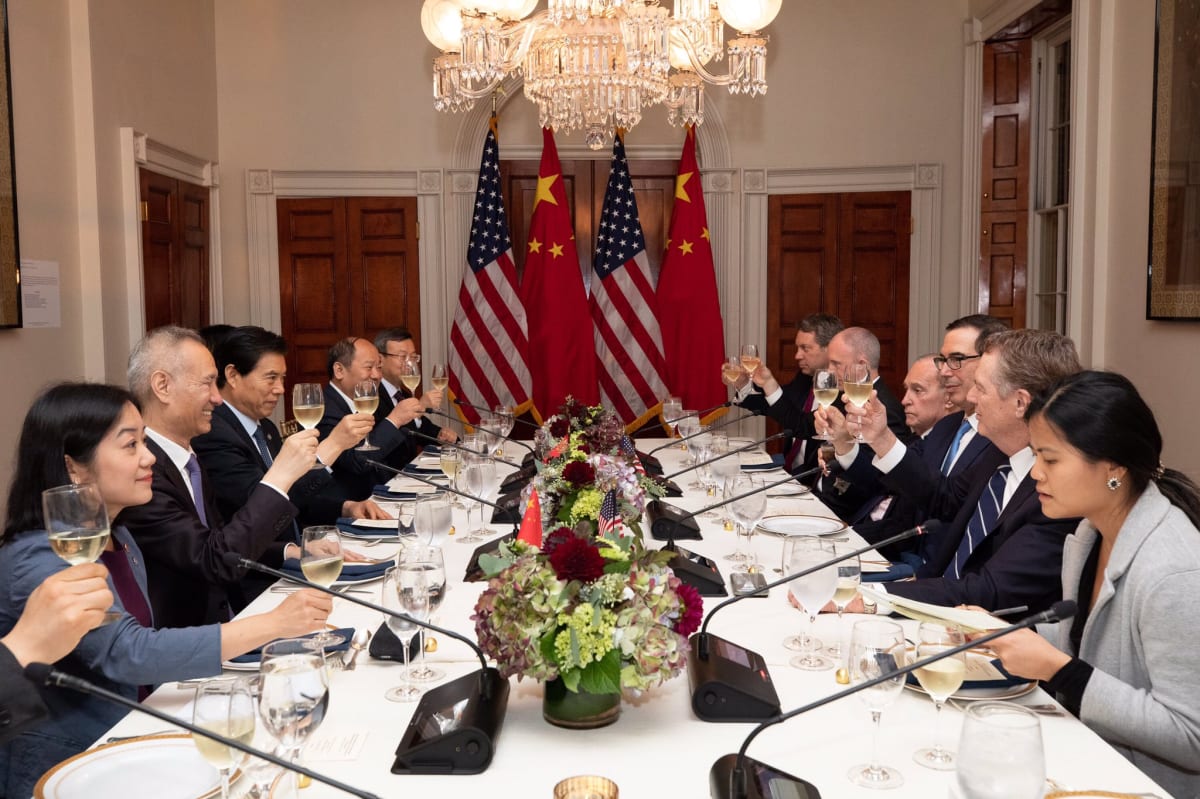
In a surprise move that caught markets off guard, the United States and China announced a two‑month extension of their existing trade truce on March 20, 2024. The agreement, brokered behind closed doors, pauses the looming tariff escalations that have threatened global supply chains for over a year. Both sides framed the extension as a goodwill gesture ahead of Chinese President Xi Jinping’s upcoming visit to the United States, signalling that larger, more comprehensive trade talks are still on the table.
Why the Truce Matters
 Port of Los Angeles cargo ships
The extension is more than a diplomatic footnote; it is a pulse‑check on the fragile equilibrium that underpins the world’s largest economies. Analysts point to three immediate effects:
- Market stability: Stock indices in both countries steadied, and the dollar‑euro exchange rate saw reduced volatility.
- Supply‑chain breathing room: Companies reliant on Sino‑American trade—especially in electronics and automotive sectors—gain crucial time to adjust inventories.
- Political signaling: By extending the truce, both governments demonstrate a willingness to keep dialogue open, even as geopolitical tensions flare elsewhere.
"We remain committed to a stable trade relationship that benefits both nations and their partners," said U.S. Trade Representative Katherine Tai during a press briefing.
Background: From Tariffs to Talks
Since 2018, the U.S.–China trade relationship has oscillated between escalating tariffs and high‑stakes negotiations. The initial 2019 Phase One deal offered a temporary reprieve, but lingering disputes over intellectual property, subsidies, and market access kept the truce fragile. Recent months saw a resurgence of rhetoric, especially after the U.S. imposed additional export controls on semiconductor equipment.
The latest extension follows a series of back‑channel meetings in Washington and Beijing, where senior officials exchanged data on agricultural imports, rare‑earth exports, and digital services. The timing aligns with President Xi’s state visit, which is expected to include a summit with President Joe Biden and a series of business roundtables.
What’s at Stake: Economic and Geopolitical Implications
- Global GDP impact: The International Monetary Fund estimates that a full‑scale trade war could shave off up to 0.5% of global GDP. The truce helps avert this loss.
- Alliances and supply chains: Nations in the Indo‑Pacific, such as Japan, South Korea, and Australia, monitor the talks closely, as they shape regional trade architectures.
- Technology rivalry: Both powers are vying for supremacy in AI, 5G, and quantum computing. A stable trade environment could foster joint research, but underlying competition remains.
The Road Ahead: Scenarios and Timeline
- Optimistic path: Within the next six months, negotiators could seal a Phase Two agreement covering services, digital trade, and stronger IP protections.
- Status‑quo path: The truce is extended repeatedly, with only incremental concessions on agriculture and energy.
- Escalation path: A breakdown in talks leads to renewed tariff hikes, prompting a ripple effect across emerging markets.
Stakeholders are watching closely for any shift in tone during Xi’s visit, where high‑level economic forums and private‑sector dialogues will likely set the agenda.
Key Takeaways
- The two‑month extension buys time for both economies and signals openness to broader negotiations.
- Market participants are cautiously optimistic, but the underlying strategic rivalry remains.
- The outcome of President Xi’s U.S. visit could define the trajectory of global trade for the next decade.
Original Reporting & Source: India Today Top Stories

Discussion (0)
Sign in to join the discussion.
No comments yet. Be the first to start the conversation!