Umang Sisodia • • 3 min read • 4 views

Xi Jinping Urges Human‑Controlled AI at White House: What It Means for US‑China Tech Relations
Xi Jinping Urges Human‑Controlled AI at White House: What It Means for US‑China Tech Relations

Xi's Call for Human‑Centric AI

In a historic moment at the White House, President Xi Jinping emphasized that artificial intelligence must remain under human control and be harnessed for the common good. The remarks, delivered during a bilateral meeting with President Joe Biden, have ignited a wave of discussion across diplomatic circles, tech forums, and social media platforms.


The White House Encounter

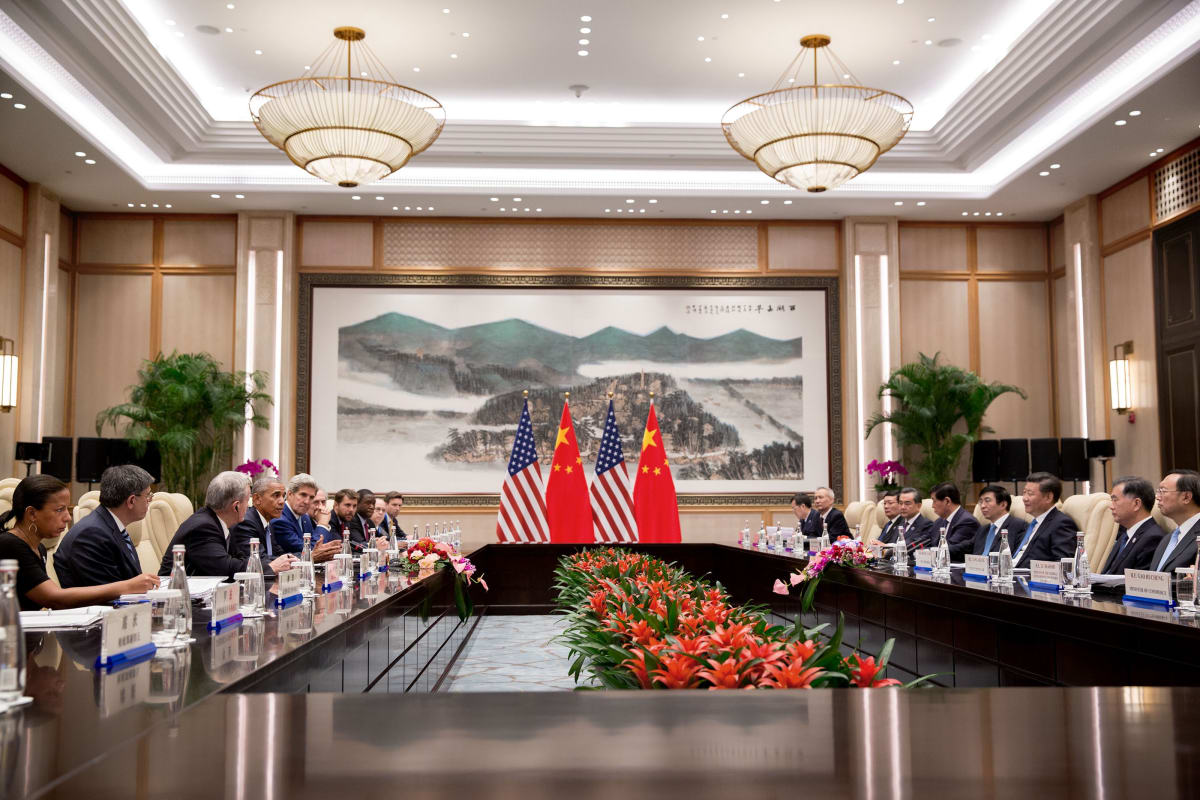
The encounter took place in the West Wing’s Roosevelt Room, where both leaders exchanged remarks on global security, climate, and the burgeoning AI landscape. Xi’s statement was clear:

"AI should be developed under human control, used for good, and guided by shared values."

The comment was captured on camera as the two presidents stood beside their respective flags, underscoring the symbolic weight of the dialogue.


  • Google Trends Spike: Searches for “Xi AI control” and “US‑China AI agreement” surged by 320% within hours of the announcement.
  • Tech Industry Reaction: Major AI firms in both countries issued statements reaffirming commitment to ethical AI frameworks.
  • Geopolitical Stakes: Analysts view the declaration as a diplomatic overture amid intensifying competition over AI supremacy.

AI ethics workshop conference AI ethics workshop conference


Historical Context of US‑China AI Competition

The AI race has been a cornerstone of the broader strategic rivalry between Washington and Beijing. Over the past decade:

  1. Investment Surge: China’s AI spending topped $30 billion in 2023, while the US remained the global leader in AI research publications.
  2. Policy Divergence: The US has focused on regulatory sandbox approaches, whereas China introduced the “New Generation AI Development Plan” emphasizing state‑led coordination.
  3. Security Concerns: Both sides have repeatedly warned about AI‑enabled cyber threats, autonomous weapons, and deep‑fake propaganda.

Xi’s call for “human‑controlled AI” can be read as an attempt to reset the narrative, positioning China as a responsible stakeholder rather than a rogue actor.


Potential Ripple Effects

  • Bilateral Working Groups: Expect the formation of joint AI ethics committees, mirroring the existing climate and health task forces.
  • Standard‑Setting Influence: The statement may bolster China’s bid to shape international AI standards at bodies like the ISO and UNESCO.
  • Corporate Strategy Shifts: Multinationals could accelerate investments in explainable AI and transparent data governance to align with emerging expectations.
  • Legislative Momentum: In the US, Congress may fast‑track the AI Accountability Act, citing the need for global cooperation.

Key Takeaways

  • Human control is now a diplomatic priority, not just a tech‑industry mantra.
  • Both superpowers are signaling a willingness to collaborate, despite underlying competition.
  • The AI governance debate will shape future trade, security, and innovation policies across the globe.

“When technology transcends borders, our responsibility must also expand,” – a sentiment echoed by several policy experts following the meeting.


Looking Ahead

The world will be watching how the US‑China AI dialogue evolves. Will this be a genuine partnership or a strategic pause? The answer will likely dictate the trajectory of AI development for the next decade.


Original Reporting & Source: India Today Top Stories

Discussion (0)

Sign in to join the discussion.

No comments yet. Be the first to start the conversation!

| |

Xi Jinping Urges Human‑Controlled AI at White House: What It Means for US‑China Tech Relations

By Umang Sisodia • 3 min read • 4 views

Xi's Call for Human‑Centric AI

In a historic moment at the White House, President Xi Jinping emphasized that artificial intelligence must remain under human control and be harnessed for the common good. The remarks, delivered during a bilateral meeting with President Joe Biden, have ignited a wave of discussion across diplomatic circles, tech forums, and social media platforms.


The White House Encounter

The encounter took place in the West Wing’s Roosevelt Room, where both leaders exchanged remarks on global security, climate, and the burgeoning AI landscape. Xi’s statement was clear:

"AI should be developed under human control, used for good, and guided by shared values."

The comment was captured on camera as the two presidents stood beside their respective flags, underscoring the symbolic weight of the dialogue.


  • Google Trends Spike: Searches for “Xi AI control” and “US‑China AI agreement” surged by 320% within hours of the announcement.
  • Tech Industry Reaction: Major AI firms in both countries issued statements reaffirming commitment to ethical AI frameworks.
  • Geopolitical Stakes: Analysts view the declaration as a diplomatic overture amid intensifying competition over AI supremacy.

AI ethics workshop conference AI ethics workshop conference


Historical Context of US‑China AI Competition

The AI race has been a cornerstone of the broader strategic rivalry between Washington and Beijing. Over the past decade:

  1. Investment Surge: China’s AI spending topped $30 billion in 2023, while the US remained the global leader in AI research publications.
  2. Policy Divergence: The US has focused on regulatory sandbox approaches, whereas China introduced the “New Generation AI Development Plan” emphasizing state‑led coordination.
  3. Security Concerns: Both sides have repeatedly warned about AI‑enabled cyber threats, autonomous weapons, and deep‑fake propaganda.

Xi’s call for “human‑controlled AI” can be read as an attempt to reset the narrative, positioning China as a responsible stakeholder rather than a rogue actor.


Potential Ripple Effects

  • Bilateral Working Groups: Expect the formation of joint AI ethics committees, mirroring the existing climate and health task forces.
  • Standard‑Setting Influence: The statement may bolster China’s bid to shape international AI standards at bodies like the ISO and UNESCO.
  • Corporate Strategy Shifts: Multinationals could accelerate investments in explainable AI and transparent data governance to align with emerging expectations.
  • Legislative Momentum: In the US, Congress may fast‑track the AI Accountability Act, citing the need for global cooperation.

Key Takeaways

  • Human control is now a diplomatic priority, not just a tech‑industry mantra.
  • Both superpowers are signaling a willingness to collaborate, despite underlying competition.
  • The AI governance debate will shape future trade, security, and innovation policies across the globe.

“When technology transcends borders, our responsibility must also expand,” – a sentiment echoed by several policy experts following the meeting.


Looking Ahead

The world will be watching how the US‑China AI dialogue evolves. Will this be a genuine partnership or a strategic pause? The answer will likely dictate the trajectory of AI development for the next decade.


Original Reporting & Source: India Today Top Stories