Umang Sisodia • • 3 min read • 3 views
North Andhra Floods Paralyze Roads: Motorists Stranded as Rivulets Swell Amid Extreme Weather

Overview
North Andhra Pradesh has been hit by an unprecedented surge of water in its streams and rivulets, leaving thousands of motorists stranded on highways. The phenomenon, captured by a spike in the Google Trends query “weather tomorrow,” reflects a broader pattern of extreme rain events sweeping across the eastern coast of India. As the monsoon depression moves inland, local authorities are scrambling to manage the crisis while commuters grapple with sudden road closures.
Meteorological Trigger
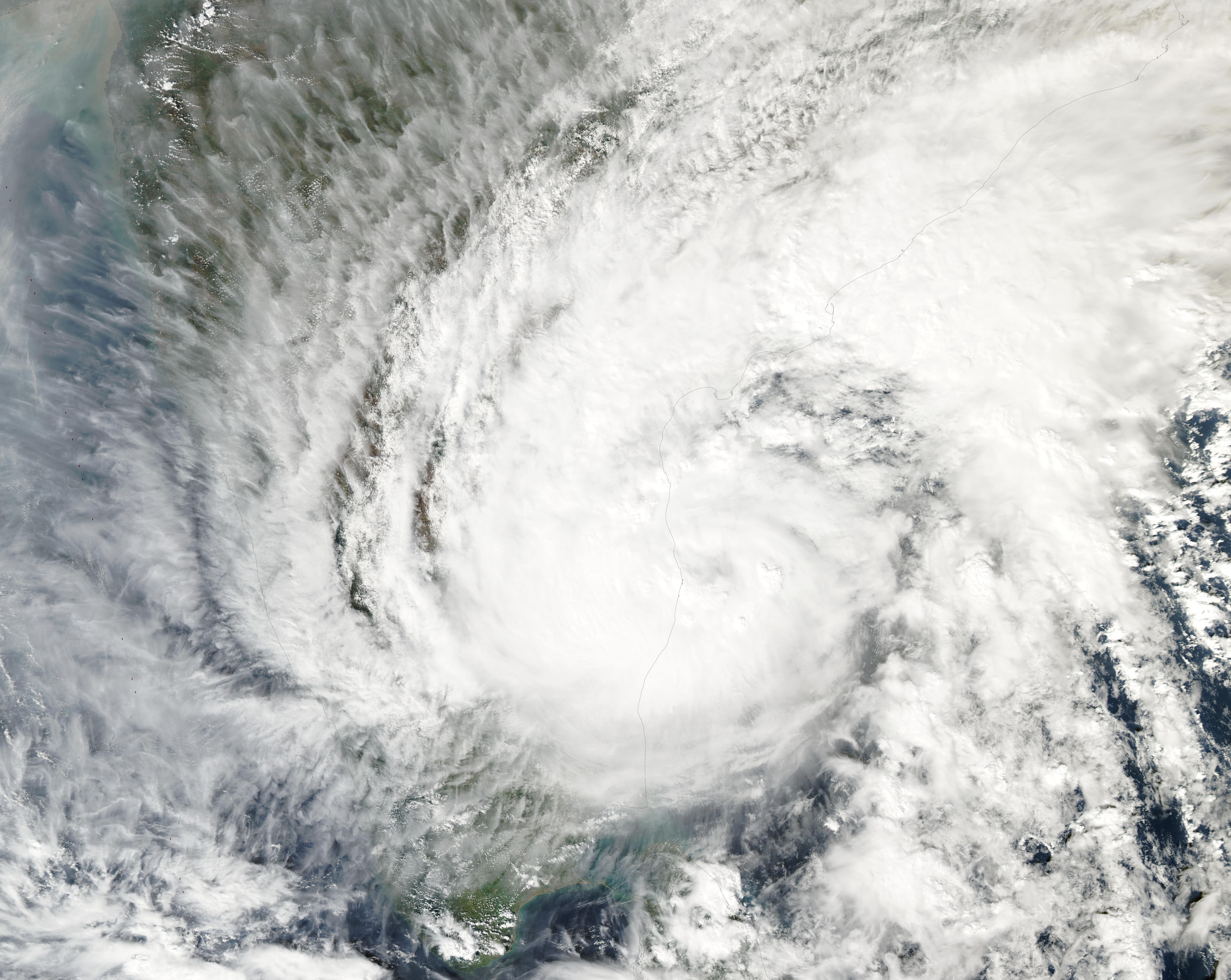
A deep depression originating over the Bay of Bengal intensified overnight, dumping heavy rainfall across the districts of Srikakulam, Vizianagaram, and Visakhapatnam. According to Down To Earth, the system is expected to linger for the next 48‑72 hours, bringing continuous downpours that raise river levels beyond their banks. Satellite imagery shows the depression’s core moving westward, creating a stark contrast: torrential rain in the east and intense heat in western states.
Impact on Commuters
The sudden swelling of water bodies has turned major arterial roads into temporary rivers. Drivers report ankle‑deep water on National Highway 16, with many vehicles forced to abandon their journeys.
- Stranded vehicles: Over 200 cars and buses reported stuck between Srikakulam and Tekkali.
- Road closures: Key stretches of NH‑16 and State Highway 37 are officially closed until water recedes.
- Safety hazards: Fast‑moving currents have caused minor injuries and panic among travelers.
 Andhra Pradesh collector press conference
Government Response
The district collector of Srikakulam convened an emergency press conference, pledging swift action. In a statement, the collector said:
"We are closely monitoring the situation and have mobilised relief teams, fire‑service units, and local police to assist stranded motorists. Immediate steps include setting up temporary shelters, providing food packets, and deploying portable pumps to drain water from critical road sections."
Local police have been directed to coordinate traffic diversions and guide commuters to safe alternative routes. The state disaster management authority has also issued a red alert, urging residents to stay indoors and avoid non‑essential travel.
Relief Measures Underway
- Rescue operations: Boats and high‑water vehicles are being used to ferry stranded passengers.
- Medical aid: Mobile clinics are stationed at major junctions to treat injuries.
- Communication: Real‑time updates are being broadcast via regional radio and the state’s official app.
What Lies Ahead?
Meteorologists warn that the depression could re‑intensify as it interacts with the Western Ghats, potentially expanding the flood‑affected zone. Long‑term implications include:
- Infrastructure stress: Repeated inundation may damage road foundations, requiring costly repairs.
- Agricultural impact: Flooded fields could affect the upcoming Kharif sowing season.
- Climate resilience: The event underscores the need for enhanced drainage systems and early‑warning mechanisms in vulnerable coastal districts.
Key Takeaways
- Extreme weather patterns are becoming more frequent, as reflected by trending searches for tomorrow’s weather.
- Rapid response from local authorities can mitigate immediate risks but requires sustained investment in infrastructure.
- Public awareness and real‑time information are crucial for commuter safety during sudden flood events.
Stay updated with local advisories and plan travel only after official clearance.
Original Reporting & Source: Google Trends (India)

Discussion (0)
Sign in to join the discussion.
No comments yet. Be the first to start the conversation!