Umang Sisodia • • 3 min read • 2 views

UN Walkout as Netanyahu Denies Gaza Genocide Allegations – Implications for Global Diplomacy

UN Walkout as Netanyahu Denies Gaza Genocide Allegations – Implications for Global Diplomacy

The UN General Assembly Showdown

On a tense Thursday session at the United Nations General Assembly, Israeli Prime Minister Benjamin Netanyahu faced a barrage of accusations that Israel was committing genocide in Gaza. As he rejected the allegations, a coordinated walkout by dozens of member states turned the chamber into a tableau of diplomatic protest.

Why the Walkout Made Headlines

  • Scale of the protest – Over 30 countries, including Brazil, South Africa, and Malaysia, exited the hall in unison, a rare display of collective dissent.
  • Media amplification – Live feeds captured the moment, flooding social platforms and Google Trends with keywords like “UN walkout” and “Netanyahu genocide denial.”
  • Political symbolism – The act signaled a widening rift within the international community over the Gaza conflict, highlighting the growing isolation of Israel on the humanitarian front.

"The world cannot stand by while atrocities unfold," a senior delegate from South Africa said in a brief statement before leaving the chamber.
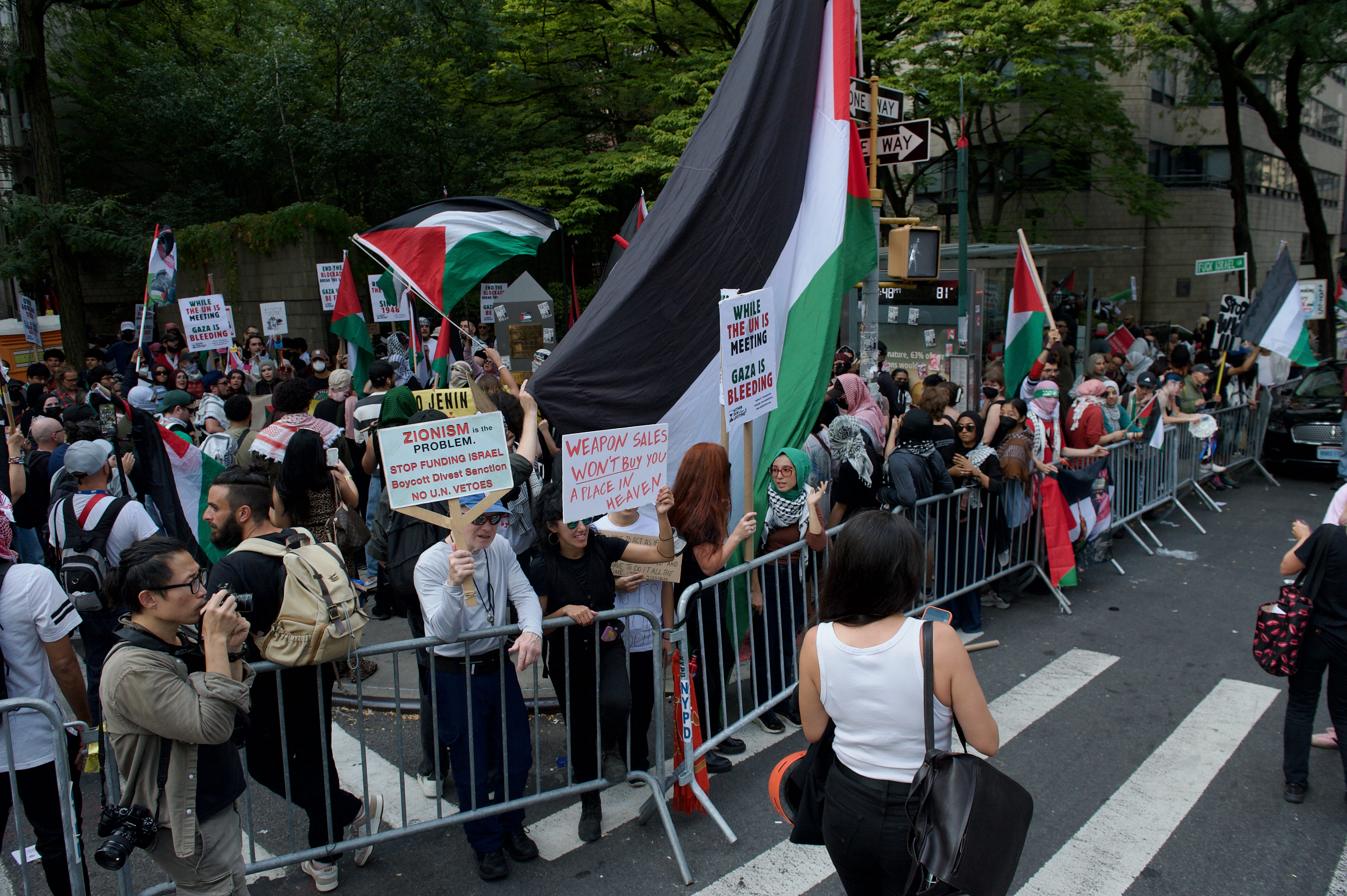
UN delegates exiting in protest UN delegates exiting in protest

Background: Gaza Conflict and Genocide Claims

The term genocide carries heavy legal weight under the 1948 UN Convention on the Prevention and Punishment of the Crime of Genocide. Recent UN‑commissioned reports have documented:

  • Civilian casualties exceeding 30,000 since the latest escalation.
  • Destruction of infrastructure including hospitals, schools, and water treatment facilities.
  • Restrictions on humanitarian aid, leading to severe shortages of food, medicine, and clean water.

Human rights organisations argue that these patterns meet the UN’s definition of genocidal intent, while Israeli officials maintain that their military actions are targeted at Hamas militants and are a legitimate response to rocket fire.

International Reactions and Diplomatic Fallout

The walkout reverberated beyond the UN walls:

  • United States – While reaffirming its support for Israel, the U.S. called for “balanced investigations” and warned against politicising the term genocide.
  • European Union – Several EU foreign ministers urged an independent inquiry, emphasizing the need for accountability.
  • Middle‑East allies – Countries like Egypt and Jordan condemned the alleged atrocities and called for an immediate ceasefire.

These divergent stances are reshaping alliances, with some nations contemplating new resolutions or sanctions, while others double‑down on existing security partnerships with Israel.

What Lies Ahead – Potential Impact

  1. Legal proceedings – The International Criminal Court may receive renewed petitions to investigate alleged war crimes in Gaza.
  2. UN reform debates – The walkout could reignite discussions on veto power and the effectiveness of the General Assembly in addressing humanitarian crises.
  3. Public opinion shifts – Global protests and online campaigns are likely to influence upcoming elections in several countries, pressuring leaders to adopt clearer positions on the conflict.

The episode underscores how a single moment on the UN floor can cascade into broader geopolitical realignments. As the world watches, the balance between security concerns and human rights obligations remains precariously poised.


Key Takeaways

  • The coordinated UN walkout highlighted deepening international divisions over Gaza.
  • Accusations of genocide bring legal and moral scrutiny that could reshape diplomatic relations.
  • Future developments will hinge on investigations, UN reforms, and the evolving narrative in global media.

Stay informed with our ongoing coverage as the situation unfolds.


Original Reporting & Source: India Today Top Stories

Discussion (0)

Sign in to join the discussion.

No comments yet. Be the first to start the conversation!

| |

UN Walkout as Netanyahu Denies Gaza Genocide Allegations – Implications for Global Diplomacy

By Umang Sisodia • 3 min read • 2 views

The UN General Assembly Showdown

On a tense Thursday session at the United Nations General Assembly, Israeli Prime Minister Benjamin Netanyahu faced a barrage of accusations that Israel was committing genocide in Gaza. As he rejected the allegations, a coordinated walkout by dozens of member states turned the chamber into a tableau of diplomatic protest.

Why the Walkout Made Headlines

  • Scale of the protest – Over 30 countries, including Brazil, South Africa, and Malaysia, exited the hall in unison, a rare display of collective dissent.
  • Media amplification – Live feeds captured the moment, flooding social platforms and Google Trends with keywords like “UN walkout” and “Netanyahu genocide denial.”
  • Political symbolism – The act signaled a widening rift within the international community over the Gaza conflict, highlighting the growing isolation of Israel on the humanitarian front.

"The world cannot stand by while atrocities unfold," a senior delegate from South Africa said in a brief statement before leaving the chamber.

UN delegates exiting in protest UN delegates exiting in protest

Background: Gaza Conflict and Genocide Claims

The term genocide carries heavy legal weight under the 1948 UN Convention on the Prevention and Punishment of the Crime of Genocide. Recent UN‑commissioned reports have documented:

  • Civilian casualties exceeding 30,000 since the latest escalation.
  • Destruction of infrastructure including hospitals, schools, and water treatment facilities.
  • Restrictions on humanitarian aid, leading to severe shortages of food, medicine, and clean water.

Human rights organisations argue that these patterns meet the UN’s definition of genocidal intent, while Israeli officials maintain that their military actions are targeted at Hamas militants and are a legitimate response to rocket fire.

International Reactions and Diplomatic Fallout

The walkout reverberated beyond the UN walls:

  • United States – While reaffirming its support for Israel, the U.S. called for “balanced investigations” and warned against politicising the term genocide.
  • European Union – Several EU foreign ministers urged an independent inquiry, emphasizing the need for accountability.
  • Middle‑East allies – Countries like Egypt and Jordan condemned the alleged atrocities and called for an immediate ceasefire.

These divergent stances are reshaping alliances, with some nations contemplating new resolutions or sanctions, while others double‑down on existing security partnerships with Israel.

What Lies Ahead – Potential Impact

  1. Legal proceedings – The International Criminal Court may receive renewed petitions to investigate alleged war crimes in Gaza.
  2. UN reform debates – The walkout could reignite discussions on veto power and the effectiveness of the General Assembly in addressing humanitarian crises.
  3. Public opinion shifts – Global protests and online campaigns are likely to influence upcoming elections in several countries, pressuring leaders to adopt clearer positions on the conflict.

The episode underscores how a single moment on the UN floor can cascade into broader geopolitical realignments. As the world watches, the balance between security concerns and human rights obligations remains precariously poised.


Key Takeaways

  • The coordinated UN walkout highlighted deepening international divisions over Gaza.
  • Accusations of genocide bring legal and moral scrutiny that could reshape diplomatic relations.
  • Future developments will hinge on investigations, UN reforms, and the evolving narrative in global media.

Stay informed with our ongoing coverage as the situation unfolds.


Original Reporting & Source: India Today Top Stories