Umang Sisodia • • 4 min read • 3 views
Delhi Teen’s Harrowing Park Assault Sparks Nationwide Outcry on Safety
The Harrowing Account
On a quiet evening in a Delhi neighborhood park, a 16‑year‑old girl was brutally assaulted by three men. The teen, still trembling, recounted her ordeal to India Today: “I was crying, I was in pain… they grabbed me, pushed me onto the ground, and left me bleeding.” Her raw testimony, shared on social media, quickly went viral, igniting a fresh wave of debate over women’s safety in public spaces.
The Incident Unfolds
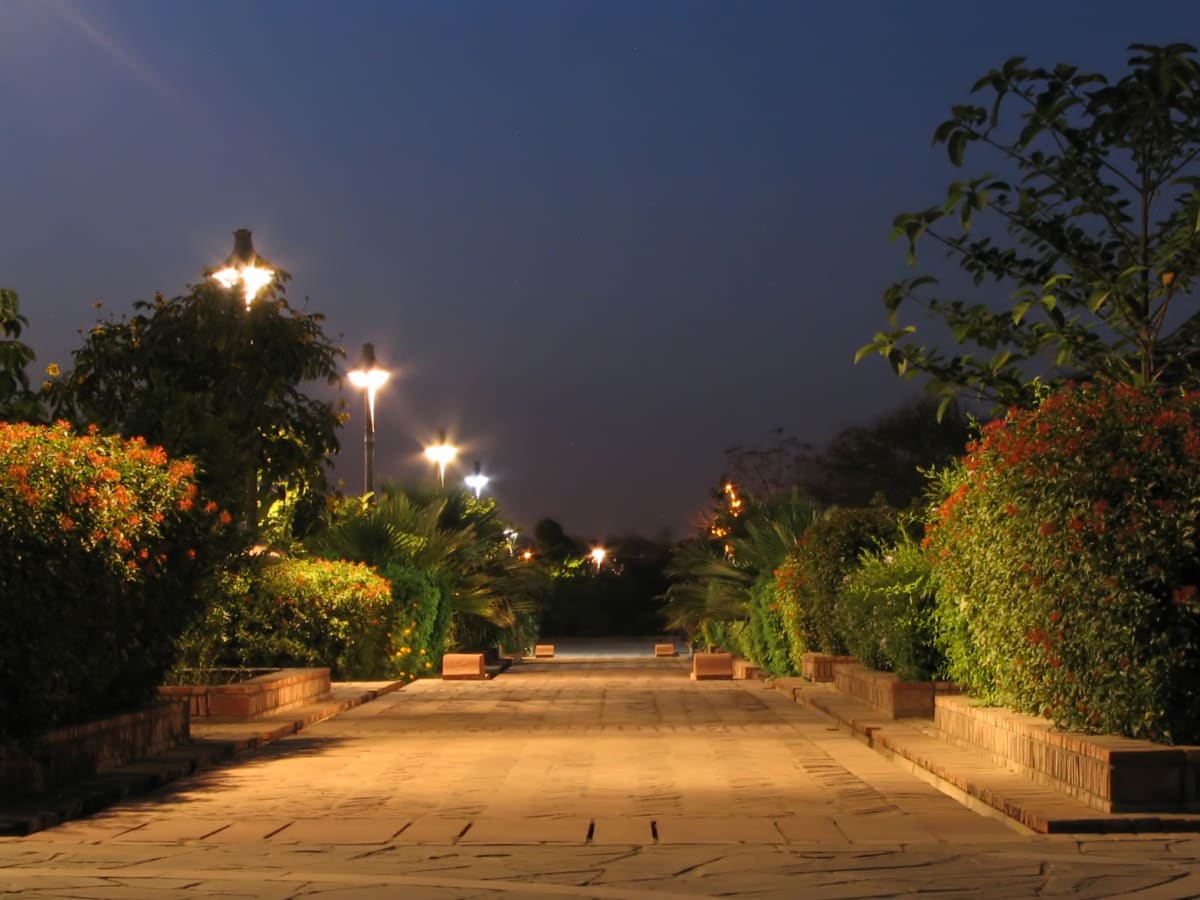
- Location: A poorly lit municipal park in North Delhi, known for evening joggers and families.
- Perpetrators: Three unidentified men, allegedly approached the teen while she was alone.
- Immediate Aftermath: The victim was rushed to a nearby hospital, where she received emergency care and a forensic examination.
- Police Response: Delhi Police opened a case under Section 376 (rape) and Section 354 (assault on a woman) of the Indian Penal Code, promising swift investigation.
"I never imagined such horror could happen in a place I visited every evening," the teen whispered, her voice breaking.
Why This Story Is Trending
The narrative struck a chord for several reasons:
- Social Media Amplification: Short video clips of the teen’s interview were shared across platforms, garnering millions of views within hours.
- Timing: The story surfaced just days before the national Women’s Safety Week, amplifying public scrutiny of existing safety measures.
- Policy Vacuum: Critics point out that Delhi’s ‘Women’s Safety Index’ has stagnated, with many parks still lacking adequate lighting and CCTV coverage.
 Delhi municipal park bench dusk
Broader Context of Safety in Delhi
Historical Patterns
Delhi, despite being India’s capital, has grappled with a series of high‑profile gender‑based crimes over the past decade. While the 2012 Nirbhaya case led to sweeping reforms—such as the establishment of fast‑track courts and increased police patrolling—many urban spaces remain vulnerable.
- Lighting Deficits: A 2023 municipal audit revealed that 38% of public parks in Delhi lack functional streetlights after dusk.
- Surveillance Gaps: Only 45% of parks have operational CCTV cameras, according to the Delhi Municipal Corporation.
- Community Policing Shortfalls: Limited citizen‑police liaison committees reduce grassroots reporting of suspicious activity.
Policy Responses
In response to the latest assault, the Delhi Government announced:
- Immediate Audit of lighting and CCTV infrastructure across all public parks.
- Deployment of Women‑Only Patrol Units during peak evening hours.
- Fast‑Track Investigation of the case, with a promise of a report within 30 days.
Activists, however, argue that reactive measures must be complemented by preventive urban design—such as open‑plan layouts, community watch programs, and better public transport links to parks.
What Lies Ahead?
The teen’s harrowing account underscores a critical inflection point for urban safety in India. As the story continues to dominate headlines, stakeholders—from municipal officials to civil society—must translate outrage into sustainable change.
- Short‑Term: Ensure swift justice for the perpetrators, bolster police presence, and repair broken lighting in the affected park.
- Mid‑Term: Implement city‑wide safety audits, prioritize the installation of smart surveillance systems, and expand women‑only safety helplines.
- Long‑Term: Rethink public space design to foster natural surveillance, encourage community stewardship, and embed gender‑sensitive planning into urban development policies.
Key Takeaways
- A Delhi teen’s assault in a public park has reignited national debate on women’s safety.
- The story’s virality is fueled by social media, timing with Women’s Safety Week, and perceived policy gaps.
- Immediate government action focuses on infrastructure audits and police deployment, but systemic urban redesign is essential for lasting security.
The hope is that this painful testimony becomes a catalyst—not just for punitive action, but for a safer, more inclusive urban fabric where no one has to fear the very places meant for recreation and community.
Original Reporting & Source: India Today Top Stories

Discussion (0)
Sign in to join the discussion.
No comments yet. Be the first to start the conversation!