Umang Sisodia • • 4 min read • 5 views

UP Law Student's Death Sparks Murder Probe: What Went Wrong After a Birthday Bash?
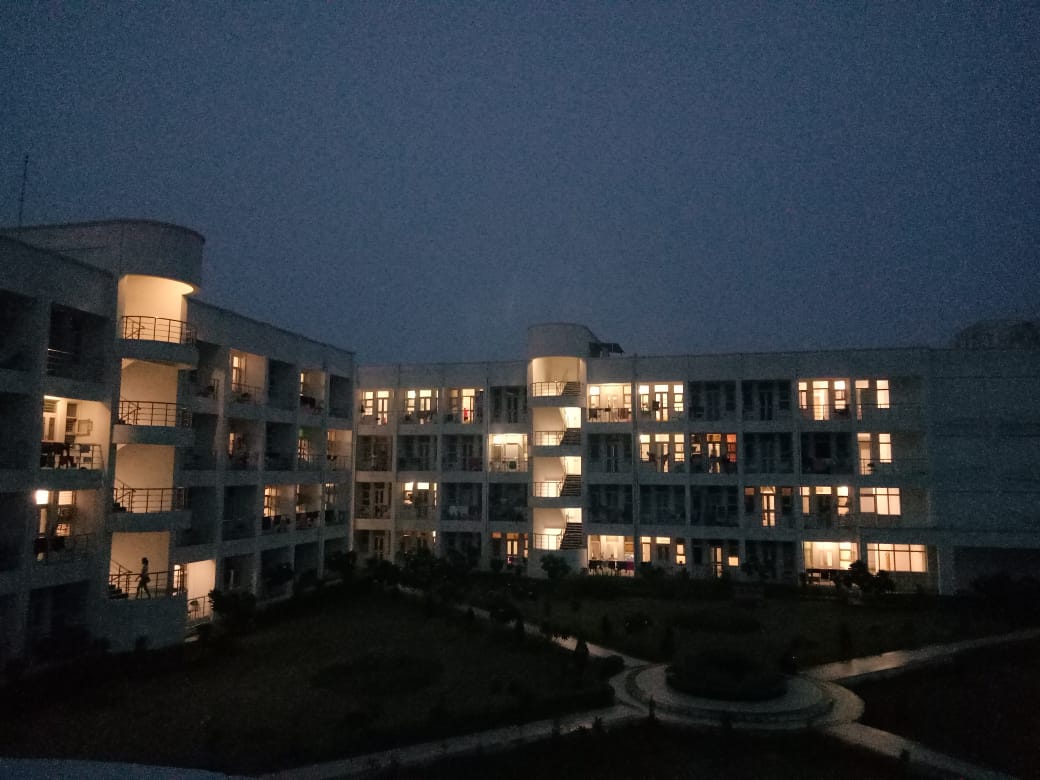
UP Law Student's Death Sparks Murder Probe: What Went Wrong After a Birthday Bash?

The sudden death of a 21‑year‑old law student from Lucknow has sent shockwaves across social media and newsrooms alike. Found lifeless in a hostel room just hours after a birthday celebration, the case has quickly morphed from a tragic accident to a high‑profile murder investigation, igniting debates on campus safety, party culture, and law‑enforcement transparency.

The Tragic Incident

On the night of April 22, 2024, the student—identified as Ananya Singh—hosted a small birthday gathering with friends at her university hostel. According to eyewitnesses, the party was lively, with music, snacks, and a few drinks. Early morning, a roommate discovered Ananya unresponsive, bleeding from multiple injuries on her head and torso. Campus security called the police, who later confirmed a post‑mortem indicating multiple blunt‑force injuries inconsistent with a simple fall.

"We thought it was an accident at first, but the extent of the injuries made us question everything," a close friend said, speaking on condition of anonymity.

Why the Story Went Viral

The incident struck a chord for several reasons:

  • Youth & Vulnerability: A young woman, studying law—a field associated with justice—found dead under suspicious circumstances.
  • Social Media Amplification: Within hours, the hashtag #AnanyaCase trended on Twitter and Instagram, with students sharing personal anecdotes of campus harassment.
  • Mistrust in Authorities: Past controversies surrounding delayed investigations in Uttar Pradesh have primed the public to demand swift action.

Google Trends reflected a sharp spike in searches for "UP law student murder" and "hostel death investigation" across India, especially in Luckluck and Delhi. The surge underscores how a single incident can ignite national conversations about safety protocols in educational institutions.

The Uttar Pradesh Police have registered the case as cognizable and are treating it as a potential homicide. Key points under investigation include:

  • Forensic Evidence: The post‑mortem report, CCTV footage from the hostel corridor, and DNA samples from the scene.
  • Witness Testimonies: Statements from party attendees, hostel staff, and the victim’s family.
  • Possible Motive: Rumors suggest a personal dispute, but police have not ruled out random assault or intruder activity.

Law experts note that Section 302 of the Indian Penal Code (murder) could be invoked if intent is established, while Section 304 (culpable homicide not amounting to murder) may apply if negligence is proven. The case also raises questions about the University Grants Commission's (UGC) guidelines on hostel safety and the need for stricter monitoring of student gatherings.

hostel corridor CCTV footage hostel corridor CCTV footage

Broader Implications for Campus Safety

The incident has reignited a long‑standing debate about the adequacy of safety measures in Indian universities:

  • Security Infrastructure: Many hostels lack functional CCTV, adequate lighting, and 24‑hour security personnel.
  • Alcohol Policies: While the party was described as low‑key, the presence of alcohol in student hostels remains a contentious issue.
  • Mental Health Support: Students often feel unsafe reporting threats due to stigma or fear of retaliation.

"We need a systemic overhaul, not just a quick police probe," says Dr. Ramesh Kumar, a sociologist specializing in youth studies.

What Comes Next?

As the investigation unfolds, several outcomes are possible:

  1. Arrests and Trial: If forensic evidence points to a suspect, the case could move swiftly to trial, setting a precedent for campus‑related homicide cases.
  2. Policy Reforms: The university may be compelled to revamp its safety protocols, potentially influencing statewide legislation.
  3. Public Vigilance: Continued media coverage and student activism could pressure authorities to ensure transparency and accountability.

The tragic loss of Ananya Singh serves as a stark reminder that safety, vigilance, and swift justice must go hand‑in‑hand. As the nation watches, the hope is that this painful episode will catalyze meaningful change, safeguarding future generations of students.


Key Takeaways

  • A law student’s death after a birthday party has escalated into a murder investigation.
  • Social media amplification and historical mistrust have driven the story’s viral spread.
  • The case spotlights glaring gaps in campus security and may trigger policy reforms.
  • Ongoing investigations will determine legal outcomes and set precedents for student safety.

Original Reporting & Source: India Today Top Stories

Discussion (0)

Sign in to join the discussion.

No comments yet. Be the first to start the conversation!

| |

UP Law Student's Death Sparks Murder Probe: What Went Wrong After a Birthday Bash?

By Umang Sisodia • 4 min read • 5 views

The sudden death of a 21‑year‑old law student from Lucknow has sent shockwaves across social media and newsrooms alike. Found lifeless in a hostel room just hours after a birthday celebration, the case has quickly morphed from a tragic accident to a high‑profile murder investigation, igniting debates on campus safety, party culture, and law‑enforcement transparency.

The Tragic Incident

On the night of April 22, 2024, the student—identified as Ananya Singh—hosted a small birthday gathering with friends at her university hostel. According to eyewitnesses, the party was lively, with music, snacks, and a few drinks. Early morning, a roommate discovered Ananya unresponsive, bleeding from multiple injuries on her head and torso. Campus security called the police, who later confirmed a post‑mortem indicating multiple blunt‑force injuries inconsistent with a simple fall.

"We thought it was an accident at first, but the extent of the injuries made us question everything," a close friend said, speaking on condition of anonymity.

Why the Story Went Viral

The incident struck a chord for several reasons:

  • Youth & Vulnerability: A young woman, studying law—a field associated with justice—found dead under suspicious circumstances.
  • Social Media Amplification: Within hours, the hashtag #AnanyaCase trended on Twitter and Instagram, with students sharing personal anecdotes of campus harassment.
  • Mistrust in Authorities: Past controversies surrounding delayed investigations in Uttar Pradesh have primed the public to demand swift action.

Google Trends reflected a sharp spike in searches for "UP law student murder" and "hostel death investigation" across India, especially in Luckluck and Delhi. The surge underscores how a single incident can ignite national conversations about safety protocols in educational institutions.

The Uttar Pradesh Police have registered the case as cognizable and are treating it as a potential homicide. Key points under investigation include:

  • Forensic Evidence: The post‑mortem report, CCTV footage from the hostel corridor, and DNA samples from the scene.
  • Witness Testimonies: Statements from party attendees, hostel staff, and the victim’s family.
  • Possible Motive: Rumors suggest a personal dispute, but police have not ruled out random assault or intruder activity.

Law experts note that Section 302 of the Indian Penal Code (murder) could be invoked if intent is established, while Section 304 (culpable homicide not amounting to murder) may apply if negligence is proven. The case also raises questions about the University Grants Commission's (UGC) guidelines on hostel safety and the need for stricter monitoring of student gatherings.

hostel corridor CCTV footage hostel corridor CCTV footage

Broader Implications for Campus Safety

The incident has reignited a long‑standing debate about the adequacy of safety measures in Indian universities:

  • Security Infrastructure: Many hostels lack functional CCTV, adequate lighting, and 24‑hour security personnel.
  • Alcohol Policies: While the party was described as low‑key, the presence of alcohol in student hostels remains a contentious issue.
  • Mental Health Support: Students often feel unsafe reporting threats due to stigma or fear of retaliation.

"We need a systemic overhaul, not just a quick police probe," says Dr. Ramesh Kumar, a sociologist specializing in youth studies.

What Comes Next?

As the investigation unfolds, several outcomes are possible:

  1. Arrests and Trial: If forensic evidence points to a suspect, the case could move swiftly to trial, setting a precedent for campus‑related homicide cases.
  2. Policy Reforms: The university may be compelled to revamp its safety protocols, potentially influencing statewide legislation.
  3. Public Vigilance: Continued media coverage and student activism could pressure authorities to ensure transparency and accountability.

The tragic loss of Ananya Singh serves as a stark reminder that safety, vigilance, and swift justice must go hand‑in‑hand. As the nation watches, the hope is that this painful episode will catalyze meaningful change, safeguarding future generations of students.


Key Takeaways

  • A law student’s death after a birthday party has escalated into a murder investigation.
  • Social media amplification and historical mistrust have driven the story’s viral spread.
  • The case spotlights glaring gaps in campus security and may trigger policy reforms.
  • Ongoing investigations will determine legal outcomes and set precedents for student safety.

Original Reporting & Source: India Today Top Stories