Umang Sisodia • • 3 min read • 6 views
Why Your Phone’s Weather Forecast Misses the Mark – A Deep Dive
The Surge Behind the Query
Over the past week, Google Trends in India has recorded a sharp spike in searches for "weather report" – crossing the 200‑plus search threshold. The curiosity isn’t just about tomorrow’s temperature; it’s fueled by a growing frustration: "Phone weather forecast often wrong? Here’s why" – a headline that has been echoed across The Hill, The Hindu, and Down To Earth.
The surge reflects two converging realities:
- Extreme weather patterns – heavy rains in the east and scorching heat in the west, as a deep depression sweeps inland.
- Digital dependence – millions now rely on mobile apps for real‑time updates, and any mismatch feels personal.
"When the forecast on your phone says ‘light drizzle’ and you step out into a deluge, trust in technology erodes instantly," – a resident of Kolkata told The Hindu.
Why Mobile Forecasts Falter
1. Data Granularity vs. Local Micro‑climates
Most popular weather apps pull data from national meteorological services that publish forecasts on a grid of 0.25°–1° latitude/longitude. In a country as topographically diverse as India, that translates to hundreds of kilometres between data points. A city perched on a hill or a coastal town can experience conditions that differ dramatically from the nearest grid cell.
2. Model Lag and Update Frequency
- Global models (e.g., GFS, ECMWF) refresh every 6‑12 hours. By the time the data reaches your phone, the atmosphere may have already shifted.
- Local updates from the India Meteorological Department (IMD) are often limited to major cities, leaving smaller districts with stale information.
3. Algorithmic Simplification for Consumer Apps
To keep the UI clean, developers translate complex probability fields into binary labels like "rain" or "clear". This simplification discards nuances such as probability of precipitation (PoP) and intensity, leading to perceived inaccuracies.
4. User‑Generated Location Errors
A simple typo in the GPS pin or reliance on cell‑tower triangulation can misplace a user by several kilometres, feeding the wrong forecast into the app.
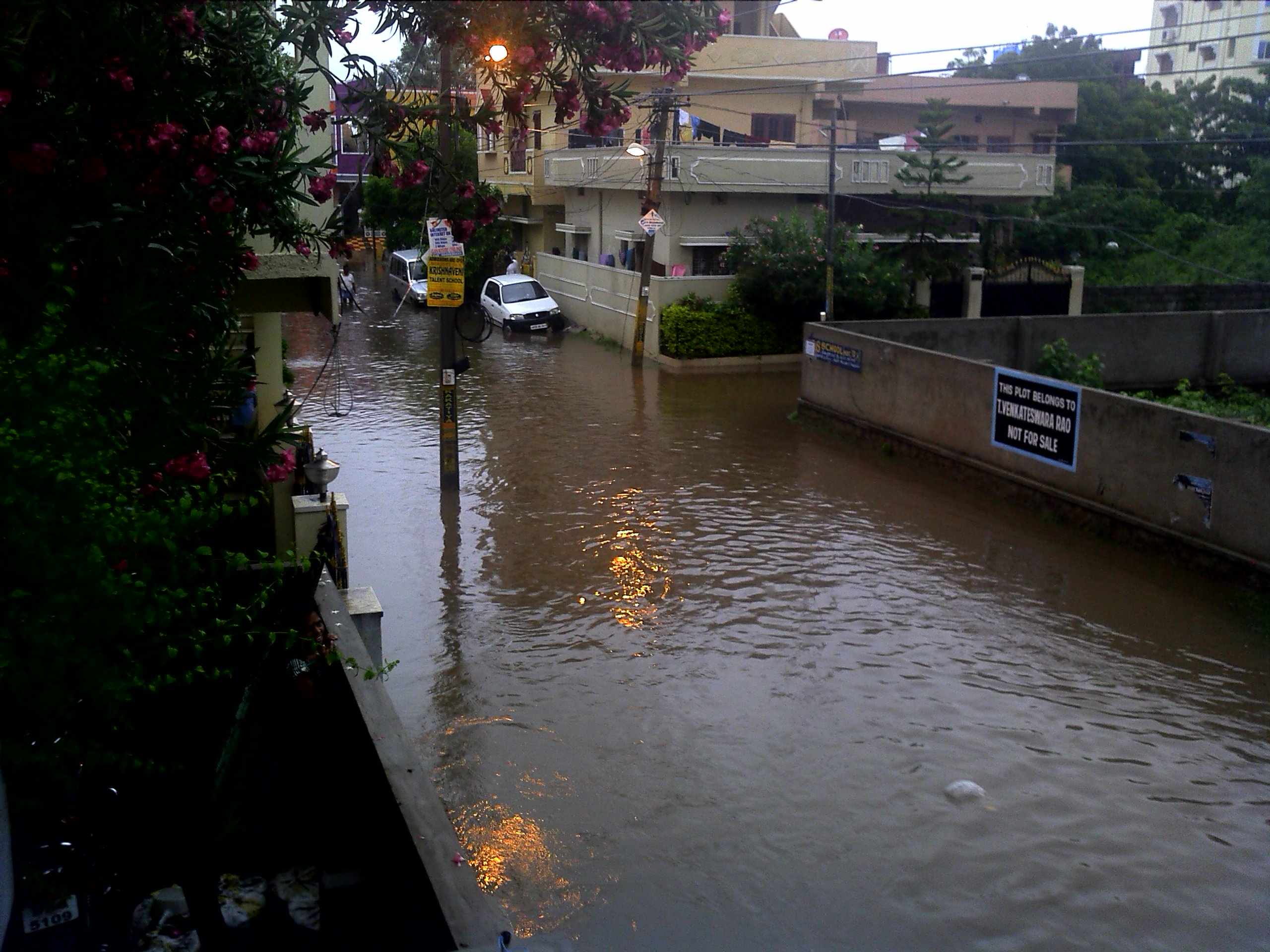 flooded streets India
What This Means for Users and Policy‑Makers
- Expect a margin of error – treat a 30‑minute forecast as a guide, not a guarantee.
- Cross‑verify – check multiple sources (IMD portal, regional radio) during critical events like floods.
- Push for hyper‑local data – satellite‑based sensors, crowd‑sourced rain gauges, and AI‑driven downscaling can bridge the granularity gap.
- Government response – The Hindu reported a collector’s on‑ground review of flood‑prone districts, urging officials to step up relief measures. Accurate, localized forecasts are essential for timely evacuations and resource allocation.
Future Outlook
- AI‑enhanced downscaling – emerging models can translate coarse global outputs into city‑scale predictions within minutes.
- 5G‑enabled real‑time feeds – faster data pipelines will reduce latency, delivering fresher updates to smartphones.
- Regulatory standards – India may soon mandate that weather‑app providers disclose data sources, model update intervals, and confidence levels.
"A reliable forecast isn’t just a convenience; it’s a matter of public safety," says a senior IMD analyst.
Takeaway Checklist
- Check PoP: Look for percentages (e.g., 70% chance of rain) rather than just “rain”.
- Enable alerts: Push notifications from official IMD apps are often the fastest.
- Plan for the worst: When in doubt, carry an umbrella or stay indoors during severe alerts.
By understanding the technical and logistical constraints behind mobile weather apps, users can make smarter decisions and pressure providers—and policymakers—to deliver truly local, actionable forecasts.
Original Reporting & Source: Google Trends (India)

Discussion (0)
Sign in to join the discussion.
No comments yet. Be the first to start the conversation!