Umang Sisodia • • 3 min read • 7 views

Uttarakhand Voter List Overhaul: 95,000 Ineligible Voters Spark Political Firestorm
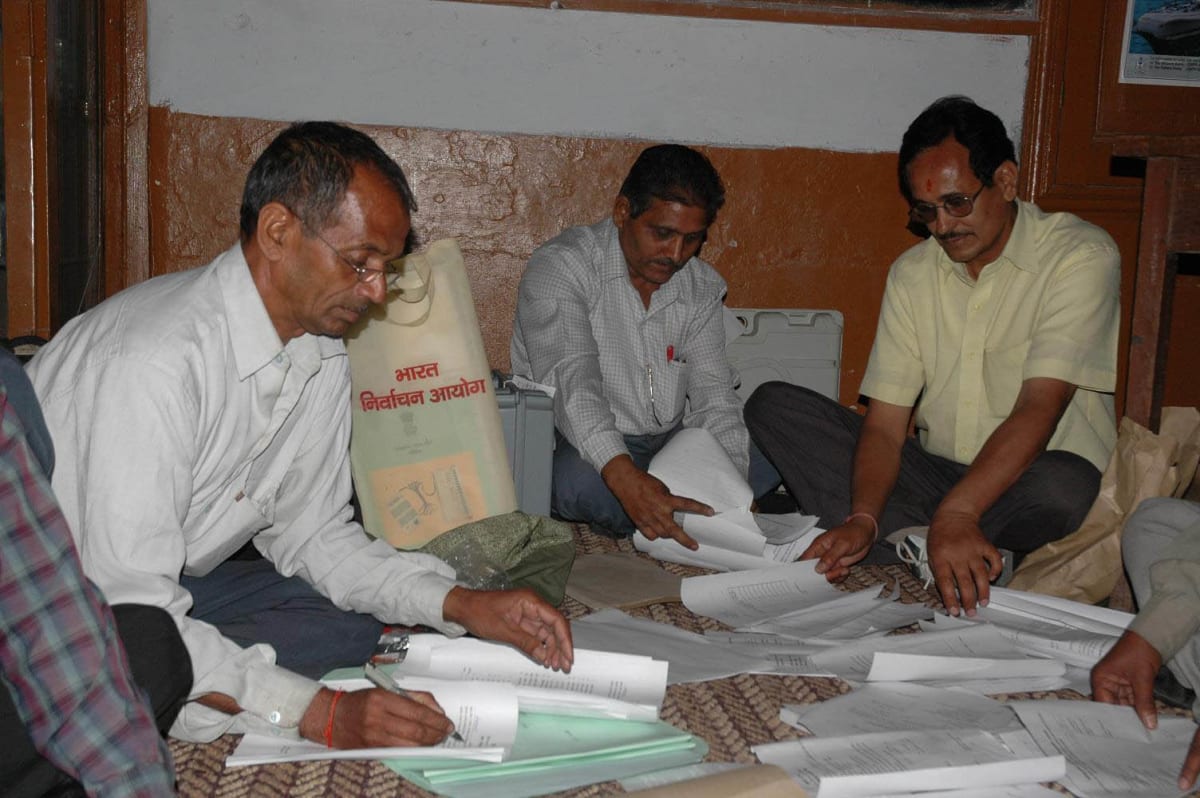
Uttarakhand Voter List Overhaul: 95,000 Ineligible Voters Spark Political Firestorm

What sparked the surge?

The phrase "उत्तराखंड की वोटर लिस्ट पर बड़ा अपडेट" exploded on Google Trends after the State Election Commission (SEC) released a fresh roll‑call showing over 95,000 names marked as ineligible. Searches spiked as citizens, political parties and media outlets scrambled to understand who was being removed and why.

The massive voter list update

The latest verification drive, announced on 23 September 2026, revealed:

  • 95,000+ voters flagged as ineligible due to duplicate entries, death certificates, or migration records.
  • Five districts (Dehradun, Haridwar, Nainital, Pithoragarh, and Chamoli) where the DSE‑PSE (District/Police Sub‑Division Electoral) cross‑check was initiated.
  • A two‑step validation: first BLO (Booth Level Officer) verification, then SEC’s digital cross‑check.

The SEC’s press release emphasized that the move is part of a nation‑wide clean‑up mandated by the Election Commission of India (ECI) to curb electoral fraud.

How the verification works

  1. BLO Ground Survey – Each Booth Level Officer visits households, confirming identity documents against the existing list.
  2. DSE‑PSE Cross‑Check – District officials compare the BLO‑validated list with police‑recorded migration and death data.
  3. Digital De‑duplication – The SEC runs an algorithm that flags identical names, ages, and addresses for manual review.
  4. Final Publication – After the two‑tier vetting, the updated roll is uploaded on the official portal for public scrutiny.

"The integrity of the electoral roll is the backbone of any democracy. Any lapse, intentional or not, erodes public trust," – Congress spokesperson Anil Kumar, on a press conference in Dehradun.

Political fallout

The timing of the update—just weeks before the 2026 Uttarakhand Legislative Assembly elections—has ignited accusations of partisan bias.

  • Congress argues that the SEC’s sudden surge in deletions disproportionately affects its traditional vote banks in hill districts.
  • Uttarakhand Kranti Dal (UKD) lodged a formal objection, demanding a judicial review of the process and transparency on the criteria used.
  • The BJP, currently in power at the state level, defends the move as a legal necessity under the Representation of the People Act.

The controversy has already influenced campaign strategies, with opposition parties promising “clean rolls, clean votes” while the incumbent government stresses “fairness and security.”

What lies ahead?

  • Legal challenges are expected to reach the Uttarakhand High Court within the next fortnight.
  • The SEC has pledged a 30‑day window for aggrieved voters to appeal, after which the list will be frozen.
  • Election Commission of India may issue national guidelines for roll‑cleaning, potentially setting a precedent for other states.
  • Voter awareness drives are being organized by civil‑society groups to help citizens verify their status online.

Key takeaways

  • 95,000+ voters flagged as ineligible, marking the largest single‑state roll‑clean‑up in recent memory.
  • Dual verification (BLO → DSE‑PSE) aims to balance ground truth with digital accuracy.
  • Political stakes are high; the update could sway marginal constituencies in the upcoming election.
  • Legal recourse and public scrutiny will shape how the process is perceived and possibly replicated nationwide.

Stay tuned for live updates as the legal battles unfold and the final voter list is published.


Original Reporting & Source: Google Trends (India)

Discussion (0)

Sign in to join the discussion.

No comments yet. Be the first to start the conversation!

| |

Uttarakhand Voter List Overhaul: 95,000 Ineligible Voters Spark Political Firestorm

By Umang Sisodia • 3 min read • 7 views

What sparked the surge?

The phrase "उत्तराखंड की वोटर लिस्ट पर बड़ा अपडेट" exploded on Google Trends after the State Election Commission (SEC) released a fresh roll‑call showing over 95,000 names marked as ineligible. Searches spiked as citizens, political parties and media outlets scrambled to understand who was being removed and why.

The massive voter list update

The latest verification drive, announced on 23 September 2026, revealed:

  • 95,000+ voters flagged as ineligible due to duplicate entries, death certificates, or migration records.
  • Five districts (Dehradun, Haridwar, Nainital, Pithoragarh, and Chamoli) where the DSE‑PSE (District/Police Sub‑Division Electoral) cross‑check was initiated.
  • A two‑step validation: first BLO (Booth Level Officer) verification, then SEC’s digital cross‑check.

The SEC’s press release emphasized that the move is part of a nation‑wide clean‑up mandated by the Election Commission of India (ECI) to curb electoral fraud.

How the verification works

  1. BLO Ground Survey – Each Booth Level Officer visits households, confirming identity documents against the existing list.
  2. DSE‑PSE Cross‑Check – District officials compare the BLO‑validated list with police‑recorded migration and death data.
  3. Digital De‑duplication – The SEC runs an algorithm that flags identical names, ages, and addresses for manual review.
  4. Final Publication – After the two‑tier vetting, the updated roll is uploaded on the official portal for public scrutiny.

"The integrity of the electoral roll is the backbone of any democracy. Any lapse, intentional or not, erodes public trust," – Congress spokesperson Anil Kumar, on a press conference in Dehradun.

Political fallout

The timing of the update—just weeks before the 2026 Uttarakhand Legislative Assembly elections—has ignited accusations of partisan bias.

  • Congress argues that the SEC’s sudden surge in deletions disproportionately affects its traditional vote banks in hill districts.
  • Uttarakhand Kranti Dal (UKD) lodged a formal objection, demanding a judicial review of the process and transparency on the criteria used.
  • The BJP, currently in power at the state level, defends the move as a legal necessity under the Representation of the People Act.

The controversy has already influenced campaign strategies, with opposition parties promising “clean rolls, clean votes” while the incumbent government stresses “fairness and security.”

What lies ahead?

  • Legal challenges are expected to reach the Uttarakhand High Court within the next fortnight.
  • The SEC has pledged a 30‑day window for aggrieved voters to appeal, after which the list will be frozen.
  • Election Commission of India may issue national guidelines for roll‑cleaning, potentially setting a precedent for other states.
  • Voter awareness drives are being organized by civil‑society groups to help citizens verify their status online.

Key takeaways

  • 95,000+ voters flagged as ineligible, marking the largest single‑state roll‑clean‑up in recent memory.
  • Dual verification (BLO → DSE‑PSE) aims to balance ground truth with digital accuracy.
  • Political stakes are high; the update could sway marginal constituencies in the upcoming election.
  • Legal recourse and public scrutiny will shape how the process is perceived and possibly replicated nationwide.

Stay tuned for live updates as the legal battles unfold and the final voter list is published.


Original Reporting & Source: Google Trends (India)