Umang Sisodia • • 3 min read • 6 views
Delhi High Court Orders Meta to Delete Morphed Modi Image – What It Means for Social Media
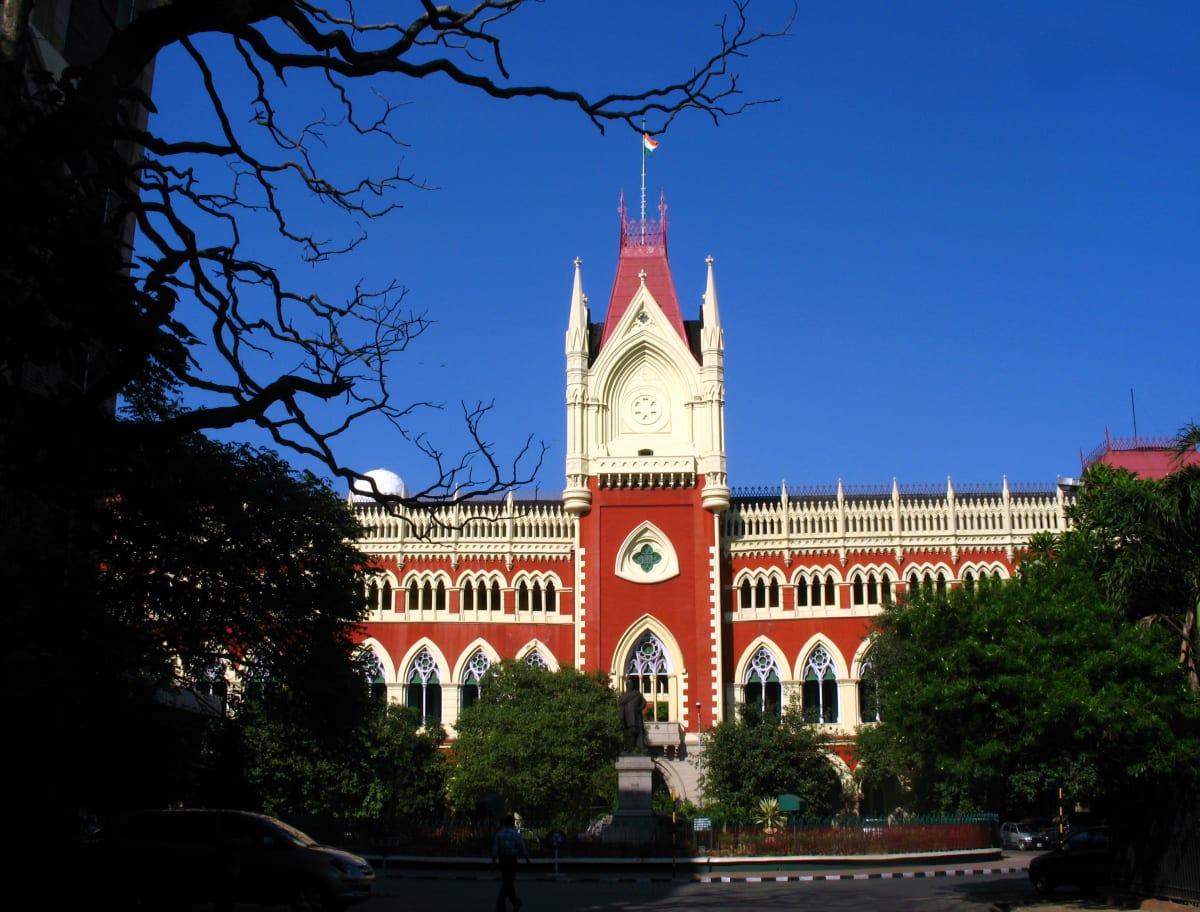
Delhi High Court’s Verdict: Meta Must Pull the Morphed Modi Image
On September 24, 2024, the Delhi High Court issued a temporary injunction directing Meta Platforms Inc. to delete a digitally‑altered photograph that showed Prime Minister Narendra Modi standing beside a woman who was not present at the original event. The image, originally posted on Facebook and shared across Instagram, was quickly labeled as “deep‑fake” and sparked a wave of online debate about consent, political satire, and the responsibility of tech giants.
What Triggered the Legal Action?
- The image: A Photoshop‑crafted picture that placed a well‑known actress beside PM Modi during a public rally in Delhi.
- The complainant: The woman’s legal team filed a petition alleging violation of the Right to Privacy and Defamation under the Indian Penal Code.
- Meta’s response: Initially, the platform cited “user‑generated content” and refused to act, prompting the court to intervene.
“The judiciary cannot remain a passive spectator while digital manipulation erodes the dignity of individuals,” the bench remarked in its order.
Why the Story Went Viral on Google Trends
- Political Sensitivity – Anything involving PM Modi attracts immediate national attention.
- Misinformation Fatigue – Recent deep‑fake scandals (e.g., the AI‑generated speech of a Bollywood star) have primed the public to react strongly.
- Platform Accountability – Meta’s past controversies over content moderation make this case a litmus test for corporate compliance in India.
The combination of these factors propelled the story to the top of Google Trends within hours of the ruling, with search spikes for “Modi deep‑fake,” “Meta court order,” and “Delhi High Court verdict.”
 digital misinformation protest
Legal and Policy Background
India’s Information Technology (Intermediary Guidelines and Digital Media Ethics Code) Rules, 2021 place a statutory duty on social media intermediaries to remove unlawful content within 36 hours of a court order. Failure to comply can lead to:
- Financial penalties up to ₹10 crore per day.
- Blocking of specific URLs or even the entire platform in extreme cases.
The Delhi High Court’s order is therefore not merely symbolic; it is a direct enforcement of the 2021 Rules, reinforcing the judiciary’s willingness to hold global tech firms accountable.
Implications for Meta and Other Platforms
- Operational overhaul – Meta will likely accelerate its AI‑driven detection tools for manipulated media in the Indian market.
- Precedent for future cases – Legal experts predict a cascade of similar petitions targeting misleading political imagery.
- User‑generated content policies – Platforms may tighten verification processes for accounts that share politically sensitive material.
Looking Ahead: The Future of Digital Content in India
- Stronger regulatory framework – Parliament is already debating amendments that could impose stricter penalties for deep‑fake dissemination.
- Rise of fact‑checking collaborations – Newsrooms and NGOs are partnering with tech firms to create real‑time verification dashboards.
- Public awareness campaigns – NGOs are launching media‑literacy drives to help citizens spot doctored images.
Key Takeaways
- The Delhi High Court’s order forces Meta to delete the morphed image, marking a decisive step in India’s fight against digital misinformation.
- The ruling leverages existing IT Rules, signaling that courts will enforce compliance rather than rely on voluntary platform action.
- The case sets a powerful precedent that could reshape how social media giants moderate political content across the subcontinent.
Stay tuned for updates as the legal battle unfolds and as Meta rolls out new moderation tools in response to the court’s directive.
Original Reporting & Source: India Today Top Stories

Discussion (0)
Sign in to join the discussion.
No comments yet. Be the first to start the conversation!