Umang Sisodia • • 4 min read • 5 views
Ganesh Immersion Stunt Turns Tragic in Rajasthan: Four Burn Injuries Highlight Safety Gaps

What Happened?
On September 24, 2026, a dramatic Ganesh immersion stunt staged in a small town of Rajasthan went horribly wrong. Organisers attempted to set a massive, flame‑decorated Ganesh idol ablaze before submerging it in a local pond, a spectacle meant to draw crowds and media attention. The fire spread unexpectedly, and four volunteers who were helping with the immersion suffered severe second‑degree burns. They were rushed to the nearest government hospital where they remain under intensive care.
Why the Story Is Trending
The incident quickly surged on Google Trends and social media platforms for several reasons:
- Visual shock value – videos of the blaze and the frantic rescue were shared widely, triggering algorithms that prioritize high‑engagement content.
- Cultural sensitivity – Ganesh Chaturthi is a major Hindu festival; any mishap during its celebrations draws nationwide attention.
- Safety debate – The stunt raised questions about event‑management protocols, especially in smaller towns where regulatory oversight may be lax.
Media outlets from India Today to The Quint Voices ran breaking news alerts, while Twitter threads and Instagram reels amplified the narrative, pushing the story into the Google Discover feed for users interested in current affairs and regional news.
 first responders Rajasthan festival
The Cultural Context of Ganesh Immersion
Ganesh Chaturthi, celebrated across India, culminates in the visarjan (immersion) of Ganesh idols in water bodies. In recent years, municipalities have encouraged larger, more elaborate idols to boost tourism and local economies. However, this trend has also introduced riskier elements—such as fireworks, pyrotechnics, and, as in this case, flame‑decorated idols.
- Traditional immersion: Simple clay idols placed in rivers or lakes.
- Modern spectacle: Fiberglass idols, LED lighting, and fire effects.
- Regulatory gap: Smaller towns often lack dedicated safety committees or clear guidelines for pyrotechnic usage.
"Public safety must never be compromised for the sake of a fleeting visual impact," said Rajasthan State Police Commissioner Anil Mehta in a press briefing.
Immediate Aftermath & Medical Response
Emergency services arrived within minutes. The following actions were taken:
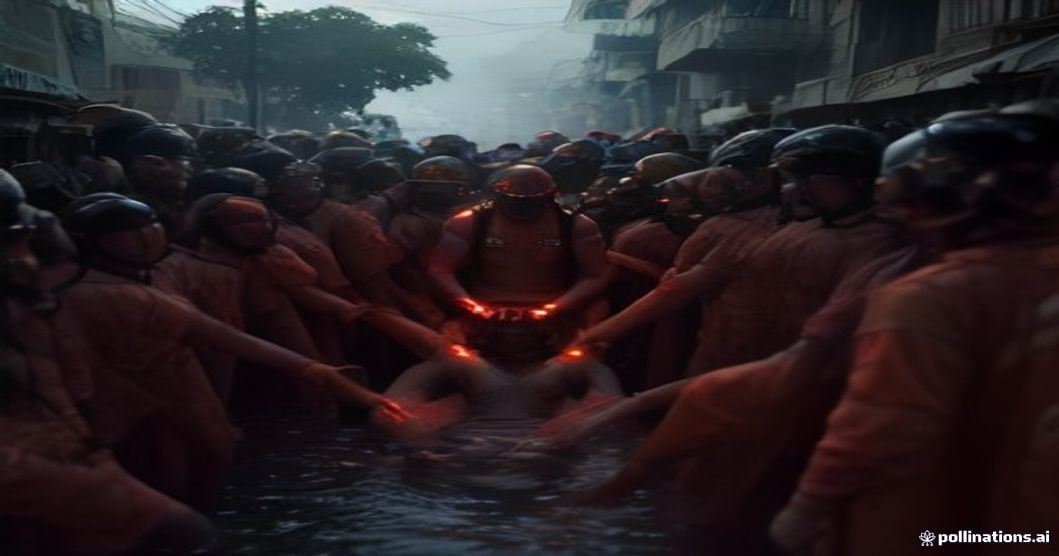
- First responders: Local police, fire brigade, and volunteers formed a human chain to pull the victims from the water.
- Medical care: Victims were transported to Sawai Man Singh Hospital in Jaipur, where burn specialists administered IV fluids, antibiotics, and skin grafts.
- Investigation: The Rajasthan Police launched an FIR under sections relating to negligence and endangering public safety. Organisers have been detained for questioning.
The incident sparked a wave of solidarity messages on social media, with many urging authorities to enforce stricter safety norms for future festivals.
Lessons & Future Safeguards
The tragedy underscores the need for a multi‑layered safety framework:
- Clear guidelines – State governments should publish detailed SOPs for using fire and pyrotechnics during religious events.
- Mandatory risk assessments – Event planners must submit a safety audit approved by certified fire‑safety officers.
- Community awareness – Local residents should be educated on emergency protocols and evacuation routes.
- Real‑time monitoring – Deploy drones or CCTV to monitor crowd density and fire hazards during large gatherings.
If implemented, these measures could prevent similar incidents and restore public confidence in cultural celebrations.
Key Takeaways
- The Rajasthan immersion stunt highlights a dangerous escalation in festival spectacles.
- Rapid social media amplification turned a regional accident into a national conversation about safety.
- Immediate medical response saved lives, but preventive regulation remains the critical need.
- Stakeholders—from local authorities to festival organisers—must collaborate on robust safety standards to honor tradition without risking public health.
By addressing these gaps, India can continue to celebrate its rich cultural heritage while safeguarding its citizens.
Original Reporting & Source: India Today Top Stories

Discussion (0)
Sign in to join the discussion.
No comments yet. Be the first to start the conversation!