Umang Sisodia • • 4 min read • 6 views
Jitan Ram Manjhi Demands More Speaking Time for SC/ST MPs – Why It’s Sparking a National Debate
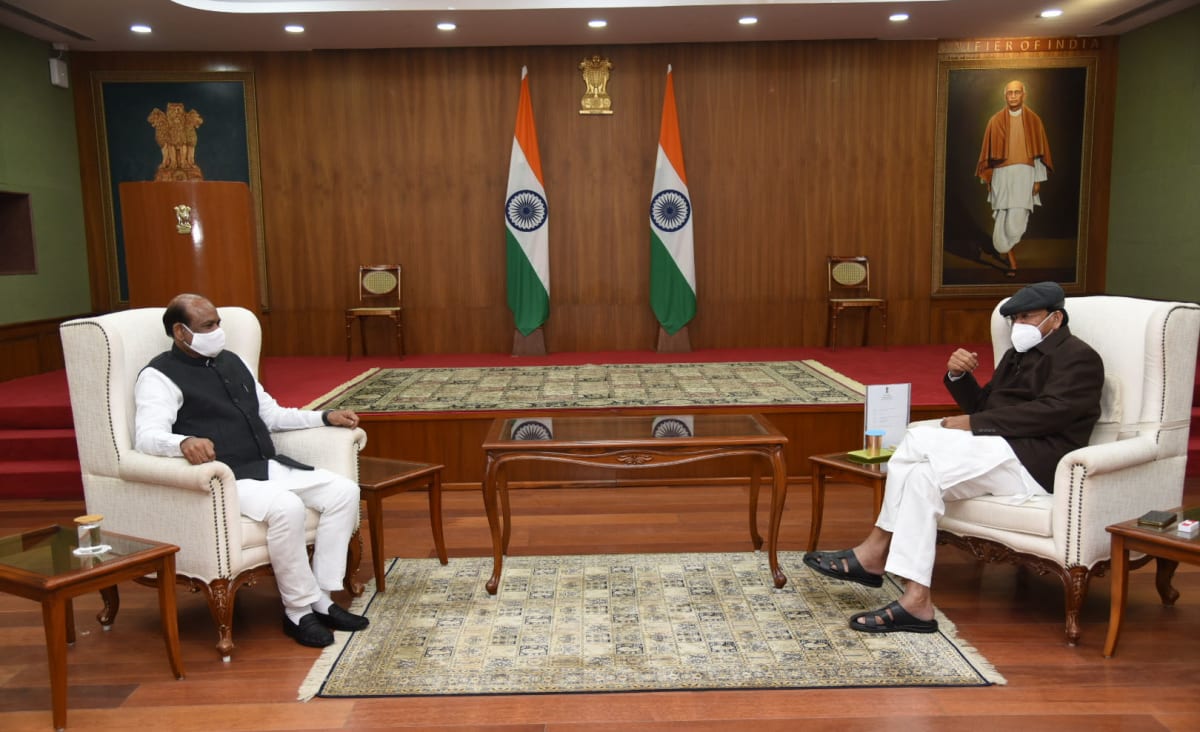
Rising Voices in Parliament
Union Minister Jitan Ram Manjhi, leader of the Janata Dal (United) and an NDA ally, has ignited a fresh conversation on parliamentary equity. In a letter addressed to Lok Sabha Speaker Om Birla, Manjhi argued that Members of Parliament (MPs) from Scheduled Castes (SC) and Scheduled Tribes (ST) are not allotted sufficient floor time to raise constituency issues, legislative amendments, or social justice concerns. The move has quickly trended on Google India, crossing the 100‑search threshold, and is being dissected across editorial pages from The Hindu to Deccan Herald.
Manjhi’s Appeal
Manjhi’s formal request outlines three core demands:
- A minimum of 30 minutes per day dedicated exclusively to SC/ST MPs for oral interventions.
- Dedicated slots during the Question Hour and Zero‑Hour for community‑specific grievances.
- Transparent allocation of speaking time, published in the parliamentary bulletin.
"Our constitution guarantees equality, yet the parliamentary floor remains a privilege for a few. SC/ST representatives must be heard, not sidelined," Manjhi wrote, underscoring the moral and constitutional urgency of his plea.
The story gained traction on Google Trends after the minister’s letter was leaked to the press, prompting a wave of searches for "Jitan Ram Manjhi" and related terms. Social media amplified the discourse, with activists, opposition leaders, and legal scholars weighing in on the procedural fairness of the Lok Sabha’s schedule.
Historical Context
India’s parliamentary system has long wrestled with the representation of marginalized communities. While the Reservation Policy ensures a minimum number of seats for SC/ST candidates, the allocation of speaking time has remained largely discretionary, governed by the Speaker’s discretion and party whips. Past incidents—such as the 2018 demand by Dalit MPs for a dedicated “Dalit hour” and the 2020 push for greater tribal representation in debates—highlight a pattern of under‑utilisation of allotted seats.
Scholars note that limited floor time curtails the ability of SC/ST MPs to influence policy, especially on issues like land rights, caste‑based violence, and affirmative action. The lack of visibility also hampers constituency outreach, as constituents often gauge their MP’s effectiveness by parliamentary activity.
Political Repercussions
Manjhi’s demand arrives at a politically sensitive juncture:
- Coalition dynamics: The JD(U) is a key NDA partner; any perceived concession could set a precedent for other allies.
- Opposition leverage: Parties such as the Congress and AAP have seized the moment to criticize the BJP‑led government for “tokenism” in representation.
- Public sentiment: Grassroots movements, especially Dalit and tribal NGOs, have rallied behind the call, organising protests outside the Parliament complex.
If the Speaker accedes, it could reshape parliamentary scheduling, compelling the Lok Sabha Secretariat to redesign the daily agenda. Conversely, a rejection may fuel further demands for constitutional amendments or statutory mandates governing speaking time.
What Lies Ahead?
The coming weeks will likely see:
- Formal debate in the Lok Sabha on the issue, possibly leading to a motion.
- Legal scrutiny, as civil‑society groups may file a petition in the Supreme Court alleging violation of Article 14 (equality before law).
- Policy proposals from the Ministry of Parliamentary Affairs, potentially introducing a “Floor‑Time Allocation Framework” that quantifies speaking slots based on party strength and demographic representation.
Regardless of the outcome, Manjhi’s intervention has re‑energised the conversation about inclusivity within India’s highest legislative body. It underscores a broader demand: that democratic institutions not only include marginalized voices through reservation but also amplify them when the nation’s most critical decisions are debated.
Key Takeaways
- Manjhi’s letter calls for at least 30 minutes daily for SC/ST MPs.
- The issue reflects systemic gaps in parliamentary procedure.
- Political and legal fallout could reshape how the Lok Sabha manages floor time.
- The debate highlights a larger democratic challenge: translating representation into real influence.
Stay tuned for live updates as the Lok Sabha deliberates this pivotal demand.
Original Reporting & Source: Google Trends (India)

Discussion (0)
Sign in to join the discussion.
No comments yet. Be the first to start the conversation!