Umang Sisodia • • 3 min read • 5 views
Trump Mulls Diesel Export Curbs Amid Fuel Price Surge Ahead of Midterms
Overview
In a surprising turn of events, President Donald Trump signaled that his administration is weighing restrictions on U.S. diesel exports. The move comes as gasoline and diesel prices have spiked across the country, igniting public anger just weeks before the 2024 midterm elections. The story quickly dominated Google Trends and headline news, reflecting both the economic anxiety of everyday commuters and the political calculus of a president seeking to regain voter confidence.
Why the Diesel Debate Is Heating Up
- Domestic price pressure: Retail diesel prices have risen by over 15% year‑to‑date, outpacing the national average for gasoline. Truckers, delivery firms, and small businesses are feeling the pinch.
- Export dynamics: The United States has become a net exporter of refined diesel, shipping millions of barrels to Europe and Latin America. Critics argue that curbing exports could tighten domestic supply and bring down prices.
- Energy policy crossroads: The Biden administration’s push for clean‑energy transition has left the fossil‑fuel sector in a policy limbo, making any shift in export policy a flashpoint.
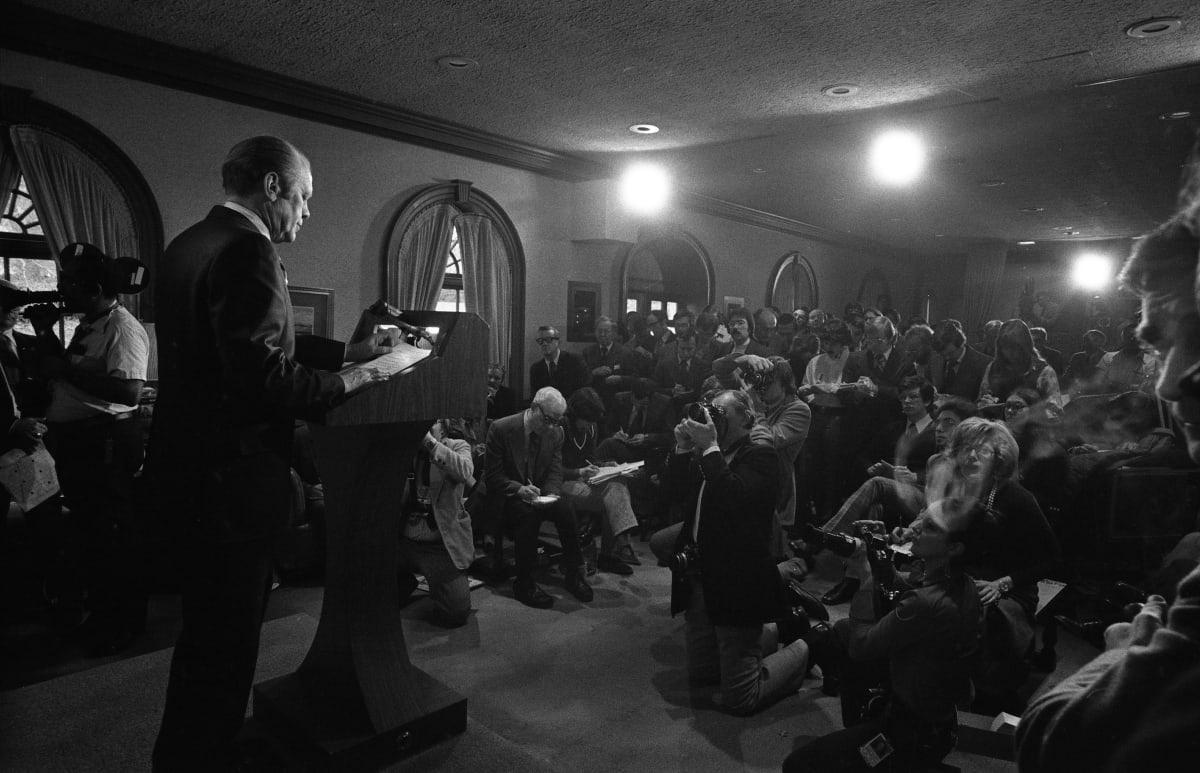
"We have to protect the American consumer first," Trump told reporters, emphasizing that the administration’s priority is to lower pump prices before the electorate heads to the polls.
Political Stakes Ahead of the Midterms
The timing of the announcement is crucial. Midterm elections historically serve as a referendum on the sitting president’s performance, and fuel costs are a top voter concern. By proposing export curbs, Trump aims to:
- Re‑energize the base – Rural and suburban voters, who rely heavily on diesel‑powered vehicles, may view the move as a direct benefit.
- Undermine the opposition – Democrats have championed green energy initiatives; a diesel‑focused policy could paint them as indifferent to immediate economic hardships.
- Create media momentum – A bold policy stance generates headlines, helping Trump dominate the news cycle in the weeks leading up to the vote.
Potential Outcomes and Global Ripple Effects
| Scenario | Domestic Impact | International Reaction |
|---|---|---|
| Full export ban | Immediate dip in diesel prices (estimated 5‑8% reduction) but risk of retaliatory trade measures. | European and Latin American buyers scramble for alternative suppliers, potentially boosting Russian or Asian exports. |
| Targeted curbs (e.g., limit to 10% of output) | Moderate price relief while preserving some export revenue. | Minor adjustments in global diesel markets; limited geopolitical fallout. |
| No action (status quo) | Continued price volatility; political criticism intensifies. | Market expectations remain unchanged; no shift in trade flows. |
Analysts warn that short‑term price relief could be offset by longer‑term supply chain disruptions if exporting partners seek more stable sources. Moreover, any abrupt policy shift may trigger legal challenges from the oil industry, which argues that export decisions should be market‑driven rather than politically motivated.
Key Takeaways
- The diesel export curbs proposal is a strategic political maneuver aimed at mitigating fuel‑price backlash before the midterms.
- While the policy could provide temporary relief at the pump, it risks unsettling global diesel markets and inviting trade disputes.
- The debate underscores a broader tension between energy security, economic stability, and the transition to cleaner fuels.
As the nation watches fuel prices climb, the coming weeks will reveal whether Trump’s proposal can deliver tangible benefits or merely serve as a campaign‑season talking point. Whatever the outcome, the diesel discussion is set to remain a pivotal issue in the 2024 electoral narrative.
Original Reporting & Source: India Today Top Stories

Discussion (0)
Sign in to join the discussion.
No comments yet. Be the first to start the conversation!