Umang Sisodia • • 3 min read • 6 views
Passport Verification Moves from Thana to Security Control Office: What It Means for You
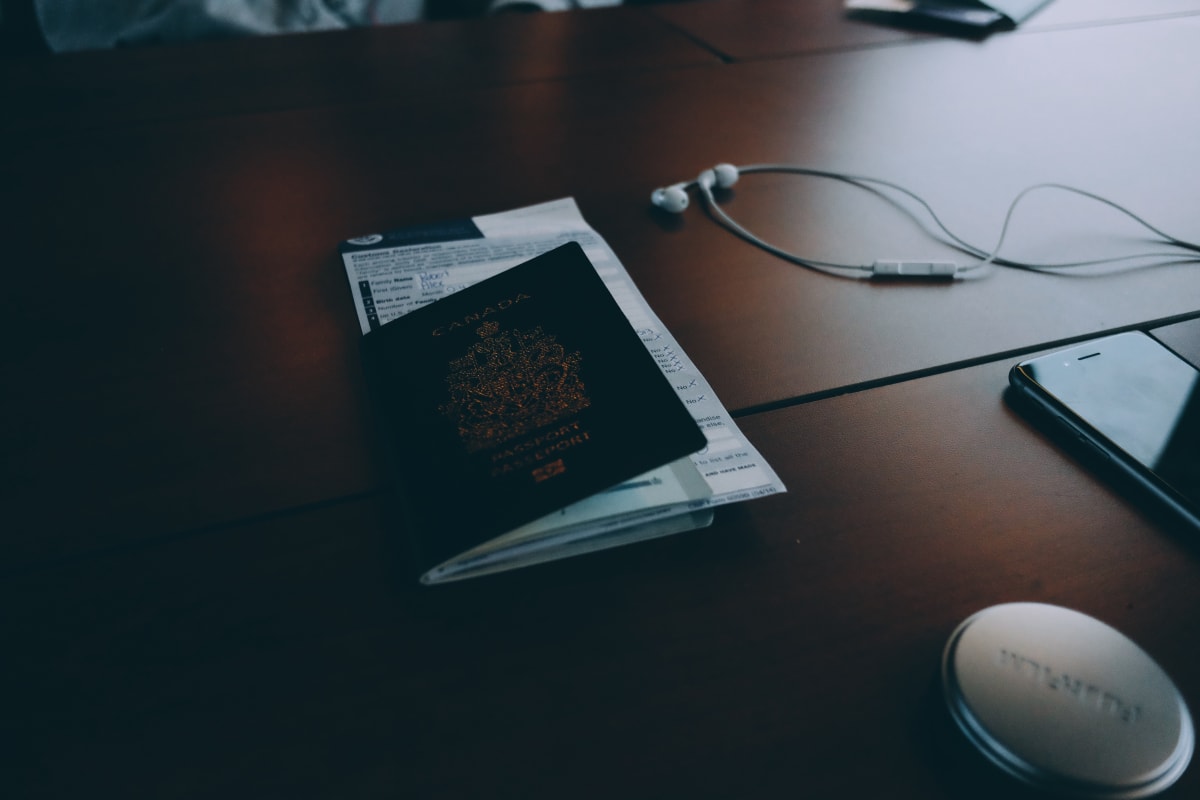
Passport Verification Shift: From Thana to SCO
India’s passport issuance system is undergoing a significant overhaul. For the first time, the responsibility of authenticating passport documents is being transferred from local police stations (থানা) to the newly empowered Security Control Office (এসসিও). The move, highlighted by a surge in Google Trends searches for “পাসপোর্ট”, has sparked widespread discussion across media outlets such as Anandabazar Patrika, Zee 24 Ghanta, and Sangbad Pratidin.
What sparked the change?
- Rising fraud cases: Recent audits revealed an uptick in forged documents slipping through thana‑level checks.
- Operational bottlenecks: Citizens often faced long waiting times at police stations, delaying passport issuance.
- Centralized expertise: The SCO houses trained security analysts and advanced verification tools, offering a more reliable screening process.
“The shift aims to streamline verification while bolstering security against identity theft,” said a senior official from the Ministry of External Affairs in a recent press briefing.
How the new process works
- Document submission: Applicants submit their passport forms online or at designated passport seva kendra (PSK) centers.
- Pre‑screening: PSKs forward scanned copies to the SCO for a preliminary digital check.
- SCO verification:
- Trained officers cross‑verify biometric data, address proofs, and previous travel records.
- Advanced software flags inconsistencies, prompting manual review when needed.
- Final approval: Once cleared, the SCO sends an electronic endorsement back to the PSK, which then issues the passport.
 police station thana exterior
Implications for citizens
- Faster turnaround: Centralized verification reduces redundant paperwork, potentially cutting processing time by up to 30%.
- Higher security: Enhanced scrutiny minimizes the risk of fraudulent passports entering the system.
- Reduced footfall at thanas: Citizens no longer need to travel to distant police stations for document validation, easing the burden on law‑enforcement resources.
Looking ahead
The transition is being rolled out in phases across major states, with pilot projects already active in West Bengal, Delhi, and Maharashtra. Analysts predict that once the SCO model proves effective, it could become the national standard for all identity‑related verifications, extending beyond passports to visas, PAN cards, and driver’s licences.
Potential challenges:
- Technical glitches during the initial digital integration.
- Training needs for SCO staff to handle the surge in workload.
- Public awareness: Ensuring applicants understand the new steps to avoid confusion.
Opportunities:
- Data integration with other government databases for real‑time background checks.
- AI‑driven fraud detection, leveraging machine‑learning models to spot anomalies faster than human eyes.
Key Takeaways
- The Security Control Office now shoulders passport document verification, moving the task away from local police stations.
- This shift is driven by security concerns, efficiency goals, and the desire to modernize India’s passport ecosystem.
- Citizens can expect quicker processing, enhanced safety, and fewer trips to thanas.
- Ongoing pilot programs will shape the future of identity verification across the nation.
Stay tuned as the SCO model evolves—its success could redefine how India safeguards its most valuable travel document.
Original Reporting & Source: Google Trends (India)

Discussion (0)
Sign in to join the discussion.
No comments yet. Be the first to start the conversation!