Umang Sisodia • • 3 min read • 5 views
Scindia’s Team Slams MO’s MPLADS Report Card: A Deep Dive into the Political Fallout
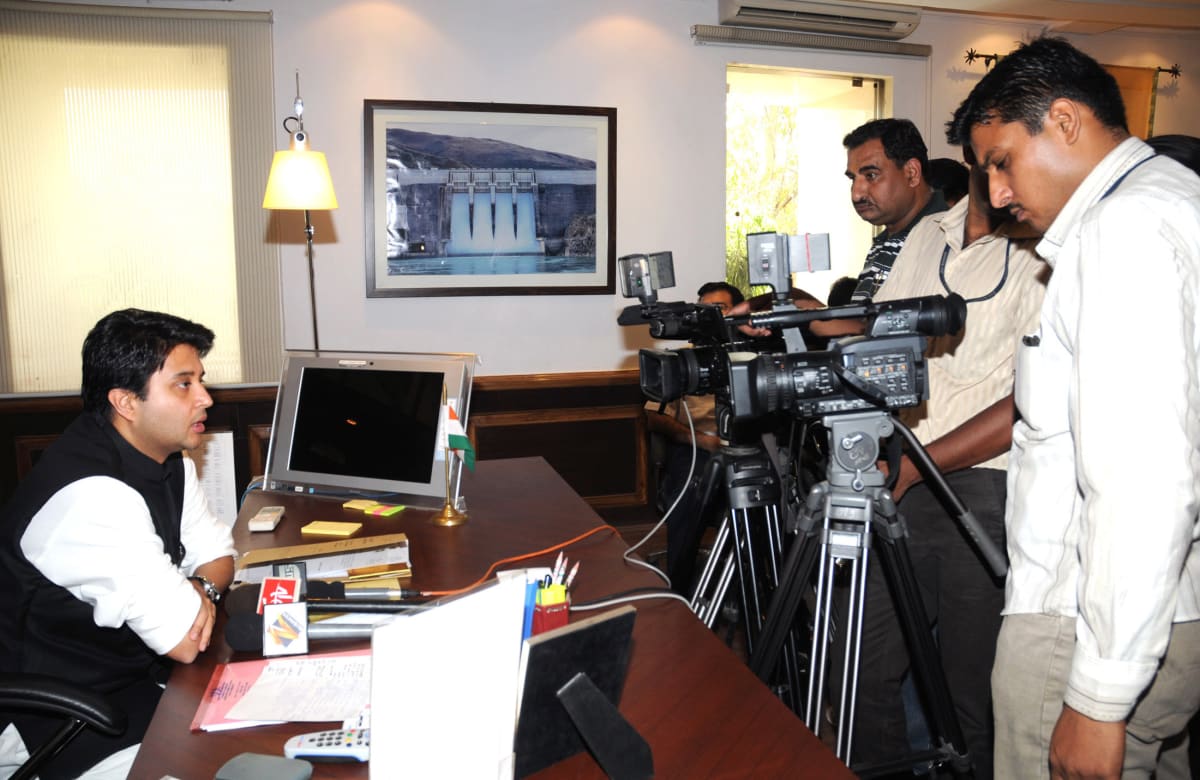
Scindia’s Team Fires Back at MO’s MPLADS Report Card
In a dramatic turn of events, the political outfit led by Jyotiraditya Scindia has publicly responded to the Ministry of Urban Affairs (MO) MPLADS (Member of Parliament Local Area Development Scheme) report card that was released earlier this week. The report, which grades MPs on the utilisation and transparency of their allotted development funds, has ignited a firestorm on social media and in parliamentary corridors.
The MPLADS Report Card Explained
The MPLADS scheme, introduced in 1993, allocates ₹5 crore per year to each MP for localized development projects. The MO’s latest report card evaluates MPs on:
- Fund utilisation rate (percentage of allocated money actually spent)
- Project completion timelines
- Transparency measures (public disclosure of project details)
- Beneficiary impact (number of lives directly affected)
The grades range from A+ (excellent) to D (poor), with a few MPs receiving a ‘red flag’ for alleged irregularities. Scindia’s constituency, Gwalior, was handed a C‑ rating, sparking immediate backlash.
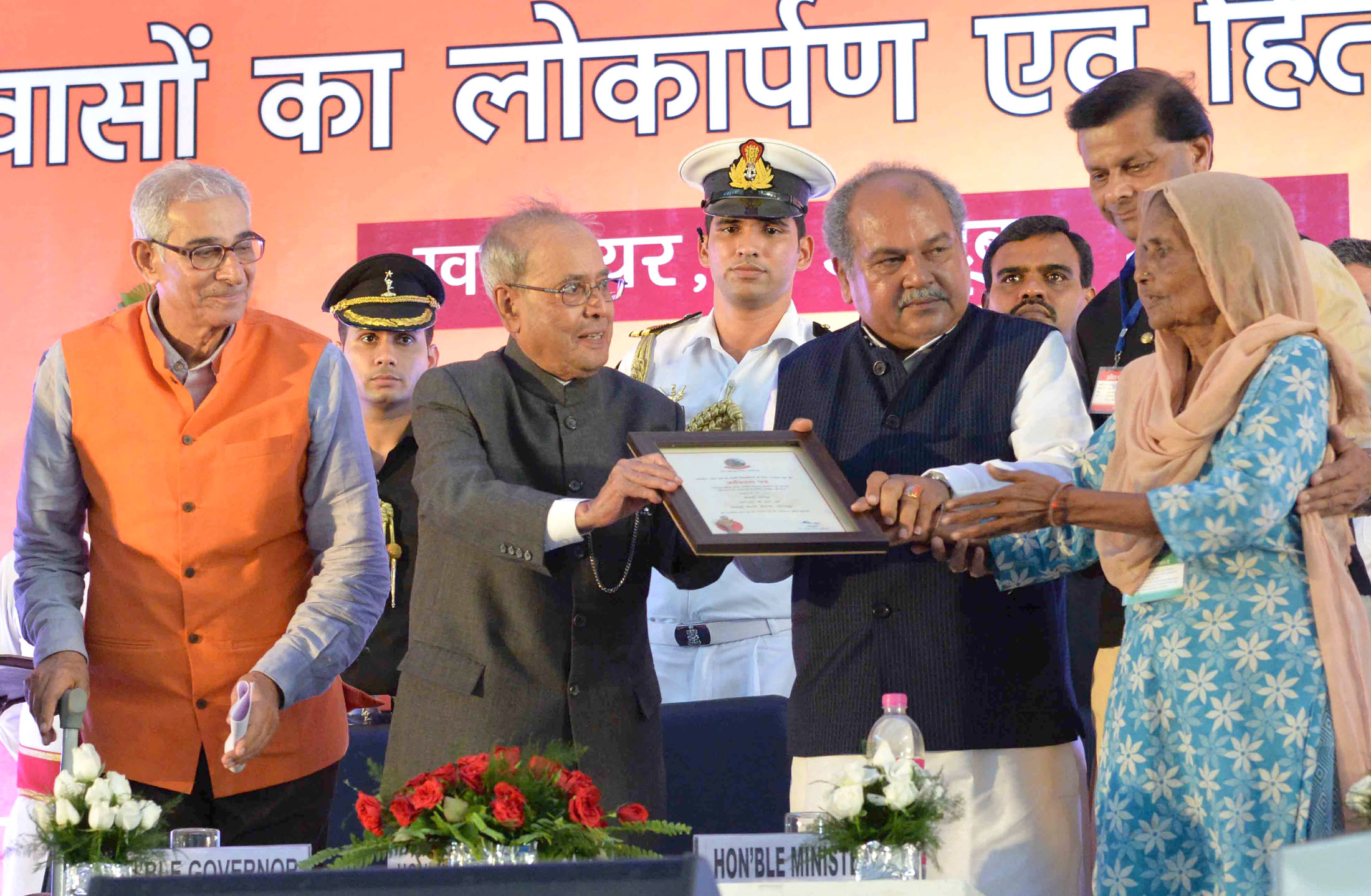 Gwalior development projects
Why the Heat Is On
The report card quickly trended on Google Trends and dominated news wires for several reasons:
- Political stakes: With the upcoming state elections, any negative rating can be weaponised by opposition parties.
- Public scrutiny: Citizens are increasingly demanding accountability for how public money is spent at the grassroots level.
- Media amplification: Outlets like India Today and The Quint Voices ran front‑page stories, amplifying the controversy.
"The report is a political exercise rather than an objective audit," said a senior source close to the Scindia camp.
Scindia’s Counter‑Narrative
In a press conference held at the Madhya Pradesh Secretariat, Scindia’s spokesperson, Anjali Sharma, delivered a pointed rebuttal:
"The MO’s methodology is flawed and out‑of‑date. It ignores the unique challenges faced by our constituency, such as delayed contractor approvals and pandemic‑induced disruptions."
Key points from the response:
- Methodology flaws: The team argues that the report fails to account for project delays caused by COVID‑19 and supply‑chain bottlenecks.
- Local impact evidence: They presented a dossier of 35 completed projects—schools, health centres, and road upgrades—benefiting over 200,000 residents.
- Call for an independent audit: Scindia’s team has demanded a third‑party review by the Comptroller and Auditor General (CAG).
What This Means for Governance
The episode underscores a broader shift in Indian politics:
- Data‑driven accountability: Ministries are increasingly using scorecards to evaluate performance, pushing politicians to be more data‑savvy.
- Strategic communication: Rapid response teams, like Scindia’s, are now essential to manage narrative fallout.
- Potential policy revisions: If enough MPs rally against the current metrics, we may see a revamp of the MPLADS evaluation framework.
Key Takeaways
- The MPLADS report card has become a political flashpoint, especially for high‑profile MPs.
- Scindia’s team contests the findings, citing methodological gaps and real‑world constraints.
- The controversy could catalyse policy reforms and greater transparency in fund allocation.
- Voters are watching closely, turning data points into electoral leverage.
Stay tuned as this story develops, and watch how the intersection of data, politics, and public perception reshapes India’s development narrative.
Original Reporting & Source: India Today Top Stories

Discussion (0)
Sign in to join the discussion.
No comments yet. Be the first to start the conversation!