Umang Sisodia • • 3 min read • 5 views
Gwalior Man’s Bike Heist: Love‑Driven Crime Sparks Nationwide Debate
The Crime Unfolded
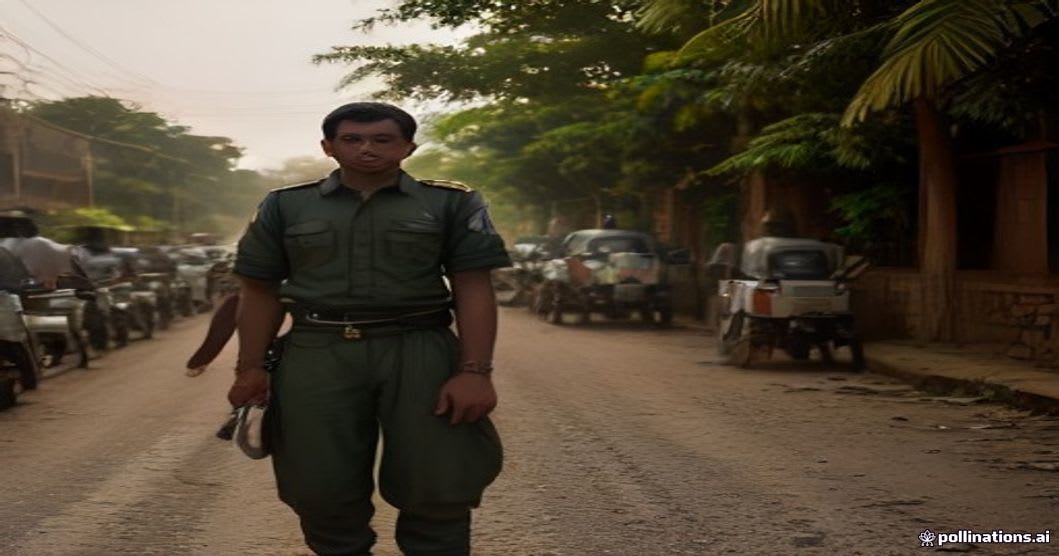
In a bizarre twist that has set social media ablaze, a 28‑year‑old man from Gwalior was arrested in the early hours of Thursday after stealing five motorcycles from a roadside stall in the Raipur district of Chhattisgarh. According to the police, the suspect confessed that he ran out of cash while trying to meet his girlfriend and resorted to the theft as a desperate stop‑gap.
"I had no money left for the date, and I panicked. I thought stealing a few bikes would buy me some time," the man told investigators.
The raid was conducted by a joint team of Chhattisgarh police and the Central Bureau of Investigation (CBI) after a tip‑off from an anonymous caller. The stolen bikes, ranging from a Royal Enfield to three commuter scooters, were recovered intact and returned to their owners.
Why It Went Viral
The story quickly leapt to the top of Google Trends and dominated India Today’s headline carousel. Several factors amplified its reach:
- Relatable desperation: Young adults across tier‑2 cities see the narrative as a reflection of mounting financial pressure.
- Romantic drama: The “love‑or‑money” angle taps into age‑old literary tropes, making it share‑worthy.
- Law‑enforcement transparency: Live‑streamed press briefings from the Chhattisgarh police added a layer of immediacy.
 Gwalior city street at night
Socio‑Economic Underpinnings
While the act itself is criminal, it shines a light on deeper systemic issues:
- Rising cost of dating: A recent survey by the National Sample Survey Office (NSSO) indicated a 12% increase in discretionary spending among urban youth over the past two years.
- Unstable gig economy: Many in Gwalior and surrounding regions rely on short‑term contracts, leaving them vulnerable to cash‑flow shocks.
- Urban‑rural migration stress: The suspect, originally from a small town near Gwalior, moved to the city for work, a pattern that often strains personal relationships.
Legal & Policy Implications
The case has reignited debates on how Indian law should balance punitive measures with socio‑economic rehabilitation:
- Strict penal codes: Under the Motor Vehicles Act, theft of a motorbike can attract up to three years of imprisonment and a fine.
- Potential for diversion programs: Legal scholars argue for integrating skill‑development workshops for first‑time offenders.
- Policy recommendations: NGOs are urging state governments to launch “Financial Literacy for Young Adults” campaigns, targeting the demographic most prone to impulsive financial decisions.
What Lies Ahead
The suspect is currently in judicial custody awaiting trial. Meanwhile, the incident has spurred a wave of commentary across platforms:
- Public opinion: While many condemn the theft, a sizable chunk of netizens empathize, calling for a more compassionate justice system.
- Media coverage: Outlets like The Quint Voices and Wired India have pledged investigative pieces on the intersection of love, finance, and crime in modern India.
- Future research: Academics plan to study the correlation between sudden financial shortfalls and impulsive criminal acts among urban youth.
Key Takeaways
- A Gwalior man stole five bikes in Chhattisgarh after running out of money for a date.
- The story resonated nationwide, topping Google Trends due to its romantic‑crime narrative.
- Underlying economic pressures highlight the need for better financial education and support for young adults.
- Legal discourse is shifting toward rehabilitation alongside punishment.
The episode serves as a cautionary tale: when love meets financial strain, the fallout can ripple far beyond the individuals involved, prompting society to rethink how it addresses the root causes of impulsive crime.
Original Reporting & Source: India Today Top Stories

Discussion (0)
Sign in to join the discussion.
No comments yet. Be the first to start the conversation!